
High Risk Properties in King County: From Backyards to Business Districts
Ground hornets don’t discriminate between residential and commercial properties, but the risks they pose are uniquely magnified in each setting. Any area with exposed, loose soil is a potential nesting site. For Homeowners & Residential Properties:Your family’s sanctuary can quickly become a danger zone. Prime nesting spots include: For Businesses & Commercial Properties:Here, a hornet infestation escalates from a nuisance to a significant liability and operational risk. For Public Facing Businesses:For these establishments, a single sting can directly impact customer perception and your bottom line. This broad range of vulnerable properties underscores why a one size fits all approach to hornet control fails. Effective eradication requires a strategy tailored to the specific risks and layout of your home or business. Identifying and locating a ground hornet’s nest requires careful observation and adherence to safety protocols. By understanding their behavior and nesting habits, you can take appropriate steps to address the issue. If you find yourself asking, “How do I find a ground hornet’s nest?” remember to prioritize safety and consider seeking professional assistance to handle the situation effectively.
Sugar Ant Exterminator Seattle | Get Rid of Tiny Black Ants for Good
Seattle Sugar Ant Exterminator: Eliminate Tiny Black Ants for Good While they don’t cause structural damage, a sugar ant infestation means there’s a hidden colony with thousands of workers constantly foraging in your home. At AMPM Exterminators, we don’t just kill the ants you see we find the colony and eliminate it at the source, giving you a permanent solution. For Immediate Sugar Ant Removal, Call: 206 571 7580 Is It Really a Sugar Ant? Identifying Your Pest What most people call “sugar ants” are typically Odorous House Ants. Here’s how to identify them: Not Sure? They are often confused with carpenter ants which are much larger and cause damage and moisture ants. Correct identification is key to effective treatment. Why DIY Ant Control Fails Against Sugar Ants Store bought sprays and baits provide only temporary relief. Here’s why: Our 3 Step Sugar Ant Elimination Process We use a strategic approach that targets the entire colony, not just the foragers. Step 1: Track the Trail to the Source Our technicians are detectives. We: Step 2: Deploy Advanced Baits This is the core of our strategy. We use professional grade baits that are: Step 3: Seal & Protect After the colony is eliminated, we help prevent their return by: “How Much Does Sugar Ant Extermination Cost in Seattle?” The cost depends on the size of your home and the extent of the infestation. Consider the Value: A one time professional treatment that actually works is far more cost-effective than repeatedly buying ineffective store bought products. When to Call a Professional Exterminator You should call a pro if: Serving Seattle and the Eastside We provide fast, effective sugar ant extermination for homeowners across the region, including: Ready to Reclaim Your Kitchen from Ants? Stop wiping away ant trails and start eliminating the problem for good. Our local experts know exactly how to tackle Seattle’s most common ant pest. Get a Free Quote & Schedule Same-Day ServiceCall 206 571 7580 We’ll identify the source of your ant problem and provide a guaranteed solution to make your home ant-free. What Property Owners Should Ask an Exterminator See more: Rat Abatement Certificate Info More for commercial owners: Ant Control for Business Buildings Final Thoughts: Take Back Your Space from Sugar Ants Little black ants might be tiny but they cause big problems. Whether you’re a homeowner or a commercial property manager, getting ahead of an infestation is the best way to avoid long-term costs and health risks. Want more insight? Read the full guide: Little Black Sugar Ants in Seattle
Carpenter Ant Exterminator in Clyde Hill, WA | Structural Inspection, Root Cause Treatment & Moisture Analysis | AMPM Exterminators
Commercial pest control in Seattle is not the same as residential pest control. Seattle’s commercial buildings restaurants, warehouses, apartment complexes, offices, retail centers, and healthcare facilities face pest pressures that residential properties never encounter: loading dock rodent entry, shared wall ant migration between units, health department inspection consequences, and liability exposure from documented infestations. Getting this wrong costs more than a pest control bill. Call AMPM Exterminators: (206) 571 7580 | Licensed Commercial Exterminator | King County & Greater Seattle What Makes Commercial Pest Control Different From Residential in Seattle? Commercial pest control differs from residential in four critical ways: scale of access points, regulatory consequences, scheduling constraints, and liability exposure. Scale of entry points. A single family home might have 8–15 pest entry points. A commercial building has dozens to hundreds loading dock seals, pipe penetrations through concrete, HVAC roof penetrations, gap ridden drop ceilings, shared utility chases between suites, and high-traffic doors that stay open. Every one is a highway for rats, mice, ants, and cockroaches. Regulatory consequences. A homeowner with rats faces an inconvenience. A Seattle restaurant with rats faces a King County Public Health closure, a public record on the health department’s website, and a reputation crisis that can take years to recover from. Seattle passed the Tenant Protection Ordinance requiring landlords to disclose documented pest infestations making rodent or cockroach problems in apartment buildings a legal exposure, not just a maintenance issue. Scheduling constraints. Residential pest control can happen any time. Commercial treatment must work around business hours, food prep schedules, employee shift changes, and for food service HACCP plans that restrict which chemicals can be used when and where. Liability exposure. A documented rodent infestation in a commercial property is discoverable in litigation. Insurance claims, tenant lawsuits, and health department records are all public. The pest control vendor you choose and how they document their work becomes part of your paper trail. The 5 Most Common Commercial Pest Problems in Seattle And What They Actually Cost 1. Rats and Mice in Commercial Buildings The #1 Call Rodents are the most common commercial pest call in Seattle, driven by the city’s density, aging building stock, and proximity between restaurants, dumpsters, and mixed-use buildings. Norway rats burrow along foundation edges and enter through gaps around pipes, utility conduits, and damaged crawl space vents. Roof rats climb trees and enter through rooftop penetrations and damaged soffits. What businesses get wrong: Calling a pest company to set traps without also doing exclusion work. Traps eliminate the rodents currently inside. They do nothing to stop the next wave from entering the same gaps. The result is a monthly trap service that runs indefinitely solving the symptom while ignoring the entry points. Root cause commercial rodent control includes: Cost reality for commercial rodent control in Seattle: The false economy: A restaurant that pays $75/month for a trap service with no exclusion work will spend $900/year indefinitely. A one time exclusion project at $1,500 plus $150/month monitoring ($2,700 year one) solves the problem. Year two is $1,800. Year three is $1,800. The exclusion approach costs less by year two and eliminates the health inspection risk permanently. 2. Ants in Commercial Kitchens, Offices, and MultiFamily Buildings Ant infestations in commercial properties behave differently than in homes because the scale of outdoor colonies, the number of entry points, and the presence of food waste creates exponentially more pest pressure. In Seattle, the three most commercially significant ant species are: Odorous house ants (sugar ants) The most common. Small, dark, attracted to anything sweet or greasy. In restaurants and commercial kitchens, they exploit floor drain gaps, dishwasher motor heat, and grease accumulation under equipment. In offices, they trail from landscaping through exterior wall penetrations to break room counters. Colony budding from repellent spray applications (which many budget companies use) turns one colony into three to five making infestations dramatically worse. Carpenter ants Large, black or red and black, excavate moisture damaged wood for nesting. In older Seattle commercial buildings (pre1980s construction), they exploit deteriorated window frames, roof leaks that have damaged structural wood, and crawl spaces with moisture. A carpenter ant infestation in a commercial building almost always indicates an undiagnosed moisture problem that will cause structural damage if ignored. Moisture ants Small, yellow-brown, and an infallible indicator of active water damage. A moisture ant colony requires wood at 15% plus moisture content to survive. If a commercial property has moisture ants, it has a current leak in a roof, a pipe, a shower, or a drainage system. Treating the ants without finding the water source is like turning off a smoke alarm without finding the fire. Commercial ant treatment approach: Cost: $250–$500 for small commercial (under 2,000 sq ft). $400–$800 for larger buildings. Multiunit apartment buildings quoted by unit count. 3. Cockroaches in Seattle Restaurants and Apartments German cockroaches are the dominant species in Seattle commercial kitchens and multifamily buildings. They are almost exclusively brought in through food deliveries, secondhand equipment, or tenant belongings rather than entering from outside. Once established in a commercial kitchen, they exploit motor housings in refrigerators and dishwashers (for warmth), wall voids behind equipment, and corrugated cardboard from deliveries. A single German cockroach female produces 30–48 eggs per egg case and can carry 4–8 cases in a lifetime. A small, unaddressed kitchen infestation can become a health inspection closing infestation in 60–90 days. Commercial cockroach elimination: King County Health Department relevance: Cockroaches trigger an immediate “Corrective Action Required” on a health inspection report. Two inspections with cockroach evidence can result in closure. Documentation of active professional treatment can mitigate an inspector’s decision making your pest control vendor’s paperwork as important as the treatment itself. Cost: $300–$600 initial treatment for commercial kitchen. Follow-up visits: $150–$250. Monthly monitoring programs: $150–$350/month depending on facility size. 4. Bed Bugs in Seattle Hotels, Apartments, and Property Management Bed bug treatment in commercial settings hotels, short term rentals, apartment complexes, and assisted living facilities requires a documented protocol, not just a single treatment.
Black Ant Control in King County, WA Species Identification, Infestation Signs, Treatment & Pricing Guide
Why Black Ant Problems in King County Are Different From the Rest of Washington State King County has one of the highest residential black ant infestation rates in Washington State because the county’s combination of dense residential development, mature landscaping, consistent moisture from 150+ annual rain days, and mild winters that allow year round foraging creates ideal conditions for the three species responsible for nearly all indoor ant calls: the odorous house ant, the little black ant, and the pavement ant. Unlike drier Eastern Washington counties where ant activity drops sharply in winter, King County’s mild, wet climate keeps black ant colonies active at reduced levels even in January and February meaning infestations that start in spring have nine to ten months per year to grow before homeowners typically notice the full scale of the problem. The term “black ant” covers several distinct species that behave very differently, respond to different treatment strategies, and pose different risks to your property. Treating the wrong species with the wrong product the outcome of most hardware store DIY attempts either fails entirely or scatters a colony into multiple satellite nests, compounding the problem. Accurate species identification before any treatment is applied is the single most important factor in resolving a King County ant infestation on the first visit. The Three Black Ant Species Most Common in King County Homes The vast majority of “black ant” calls in King County involve one of three species: the odorous house ant (Tapinoma sessile), identifiable by its rotten-coconut smell when crushed; the little black ant (Monomorium minimum), the smallest common species at just 1/16 inch; or the pavement ant (Tetramorium caespitum), which typically nests under concrete but forages indoors. Each requires a different treatment approach to eliminate successfully. Odorous House Ant Tapinoma sessile The most frequently treated ant species in King County. Workers are 1/16–⅛ inch, uniformly dark brown to black. The definitive ID test: crush one between your fingers it produces a sharp rotten-coconut or blue-cheese odor. Forms long foraging trails from wall voids, under floors, and behind appliances to food and water. Colonies can contain 10,000–100,000 workers across dozens of satellite nests. Thrives in the moisture-rich wall voids and insulation common in King County homes. Most common indoors Little Black Ant Monomorium minimum Extremely small 1/16 inch, roughly half the size of an odorous house ant and solid jet black. No odor when crushed. Nests in wall voids, decaying wood, masonry cracks, and behind outlet boxes. Forages to kitchens and pantries for greasy and sweet foods. Colonies are smaller than odorous house ants (2,000 workers typically) but multiple colonies often share overlapping foraging territory in the same structure. Common in walls & woodwork Pavement Ant Tetramorium caespitum Slightly larger than the above at ⅛ inch, dark brown to black with parallel grooves (striations) on the head and thorax visible under magnification. Primary nests under concrete slabs, driveways, sidewalk expansion joints, and foundation footings. Enters structures through expansion joints, utility penetrations, and foundation cracks. Forages broadly for both sweet and greasy foods. Nest-site choice means colonies survive standard perimeter sprays that do not reach sub slab nesting chambers. Nests under concrete & slabs Why misidentification is costly: Odorous house ants require non-repellent baiting because their large multiqueen, multisatellite colony structure means any repellent product simply reroutes foragers to a different trail. Pavement ants require sub slab treatment that surface sprays cannot reach. Little black ants respond to gel bait placed precisely at wall-void entry points. Applying the wrong product to the wrong species the default outcome of consumer sprays either fails immediately or causes the colony to fragment into more distributed satellites, making subsequent elimination harder and more expensive. Why King County Has a Black Ant Problem 10 Months Out of 12 In most of the United States, ant activity peaks in warm months and drops sharply when temperatures fall below 50°F. King County’s climate disrupts this pattern. Seattle’s average January low is 36°F cold enough to reduce foraging, but rarely cold enough to drive colonies into full winter dormancy. The result is a year round pest pressure cycle that other regions do not experience at the same intensity. Winter (Dec–Feb) Reduced but not dormant. Colonies consolidate near heat sources furnaces, hot water lines, kitchen appliances. Low level indoor foraging continues year round in heated structures. Treatments applied in winter reach workers actively moving to warmth. Spring (Mar–May) Peak expansion period. Colonies produce new queens and satellite nests. Worker population grows rapidly. This is when homeowners first notice trails but the colony has typically been growing since September. Spring calls represent late-stage detection, not early. Summer (Jun–Aug) Full foraging activity. Colonies at or near peak worker populations. Multiple trails active simultaneously. Odorous house ant reproductive swarms occur June–August. Untreated colonies from the previous year produce visible swarmers indoors. Fall (Sep–Nov) Colonies seek indoor warmth as outdoor temperatures drop. This is the second-highest infestation period. Ants found indoors in October–November are establishing overwintering positions in wall voids and sub-floor spaces, not simply foraging. The practical implication is that there is no “off season” for black ant control in King County. A colony that is not fully eliminated queen, satellite nests, and all will resume full activity in spring regardless of when a partial treatment was applied. How to Know You Have a Black Ant Infestation and How Serious It Is The five warning signs that indicate an established black ant colony inside your King County home not just occasional foragers from outside are: persistent ant trails that return within 24–48 hours of cleaning; ants appearing in multiple unconnected rooms simultaneously; ants foraging at night as well as during the day; a rotten coconut odor near baseboards or behind outlet plates; and ants emerging directly from wall outlets, baseboard gaps, or plumbing penetrations rather than entering through doors or windows. Light activity vs. established infestation the distinction that determines treatment Indicator Likely outdoor foragers Established indoor colony Trail returns after cleaning 24–72 hours or not at all Within
The Real Cost of Commercial Pests: What Seattle & Eastside Business Owners Need to Know
The Real Cost of Commercial Pests: What Seattle & Eastside Business Owners Need to Know The Real Cost of Commercial Pests: What Seattle & Eastside Business Owners Need to Know Updated this season If you’re managing a warehouse, restaurant, office, or healthcare facility in Seattle or the Eastside, pests are more than a nuisance they’re a silent threat to your revenue, reputation, and legal compliance. Rodents, sugar ants, cockroaches, and other intruders don’t just appear out of nowhere. They’re adapting faster, entering smarter, and staying longer unless you act. Why Commercial Pest Problems Are Getting Worse Climate shifts: Longer warm seasons mean more insect breeding cycles. Empty commercial spaces: Vacancies and remodels attract nesting rodents. Waste mismanagement: Restaurants, warehouses, and mixed-use buildings often create the perfect storm for infestations. Industries Most Affected in the Seattle & Eastside Area We’ve seen spikes in pest activity especially in: Food and beverage facilities (including ghost kitchens) Retail & grocery chains with loading docks Warehouses in Kent, Tukwila, and Renton Healthcare offices in Bellevue and Redmond Construction zones and permit delay sites needing rat abatement Cost Breakdown: How Much Commercial Pests Are Really Costing You Lost product or inventory: Rodent or ant damage can silently destroy goods. Downtime: Infestation will closure for inspection or cleaning Code violations: Missed inspection will delayed permits, surprise fines Reputation hits: Online reviews about bugs or rats don’t go away It’s not unusual for small businesses to lose $5,000 to $20,000 in a single year due to untreated infestations. Want to Stay Ahead? Here’s What Business Owners Are Doing Now Monthly commercial inspections not just when there’s a problem Facility-wide exclusion methods sealing and caulking known entry points Partnering with local Eastside exterminators who know the terrain and hot zones Next: Read how Eastside commercial exterminators handled the worst pest outbreak of the year.
How Seattle Business Owners Can Protect Their Reputation With Commercial Pest Control
What Happens When a Pest Problem Goes Public? One roach on the counter. One mouse darting across the break room. One spider dangling above a customer’s table. One photo posted online. For Seattle business owners, that’s all it takes to trigger a wave of negative reviews that no marketing budget can undo. Pest infestations in commercial settings are not just a maintenance issue they are a direct threat to your bottom line, your health compliance record, and the trust your customers place in you every day. Whether you operate a restaurant in Capitol Hill, a warehouse in Kent, an office in Bellevue, or a retail shop in Renton, the question isn’t if pests will try to enter your building it’s whether you have a commercial exterminator in Seattle on your side before they do. The Real Cost of a Pest Infestation for Seattle Businesses 1. Property and Structural Damage Rats and mice do not simply occupy space they actively destroy it. Rodents gnaw through electrical wiring, HVAC insulation, drywall, and even load-bearing materials. Left unaddressed, rodent activity inside commercial buildings increases fire risk, triggers expensive emergency repairs, and can force temporary closures that interrupt operations and revenue. Carpenter ants and termites compound this risk in the Pacific Northwest, quietly weakening wooden structural elements for months before visible signs appear. A professional building structural pest inspection can identify early stage activity that untrained eyes routinely miss. 2. Health Code Violations and Legal Liability Seattle area businesses in food service, healthcare, childcare, and hospitality face strict Washington State Department of Agriculture and King County health code requirements. Cockroaches, rodents, and stored product insects are all vectors for pathogens including Salmonella, Listeria, and E. coli. A single failed health inspection tied to pest activity can result in fines, mandatory closures, and litigation consequences far exceeding the cost of a proactive commercial pest control contract in Seattle. 3. Online Reputation Damage That Outlasts the Infestation A pest sighting reported on Google, Yelp, or social media doesn’t disappear when the infestation is resolved. Those reviews remain indexed and visible to prospective customers researching your business. Studies show that more than 90% of consumers read online reviews before visiting a local business. One pest related review in your rating can shift purchase decisions at scale. The reputational cost of reactive pest control is almost always higher than the investment in scheduled commercial pest management services. Pest Threats Commonly Affecting Commercial Properties in King County Seattle’s temperate, wet climate creates year round pressure from several pest species that specifically target commercial environments: Norway rats and roof rats common in restaurants, grocery stores, warehouses, and multitenant office buildings throughout Seattle, Renton, Kirkland, and Redmond. Professional rat extermination in Seattle is essential for any business near waterways, transit corridors, or dense urban blocks. German cockroaches thrive in commercial kitchens, break rooms, and food storage areas. Highly resistant to amateur treatments and require professional grade cockroach control services using integrated pest management (IPM) protocols. Carpenter ants and odorous house ants Seattle’s moisture levels make commercial buildings especially vulnerable. Professional ant control addresses both the visible workers and the colonies hidden deep inside wall voids and structural wood. Hobo spiders, giant house spiders, and black widows all prevalent throughout King County and a common source of customer complaints and liability concerns. Spider extermination services treat both active populations and the conditions that attract them. Wasps and yellow jackets outdoor dining areas, loading docks, and building entryways across King County see significant pressure from late summer through fall. Timely wasp control and extermination prevents stinging incidents that put staff and customers at risk. Termites though often overlooked in the Pacific Northwest, termites remain a serious threat to commercial properties with wood framing or crawl space exposure. Termite pest control in Seattle addresses both active infestations and long term prevention. Stored-product pests weevils, beetles, and moths affect retail food businesses, hospitality operations, and commercial warehouses handling grain, dried goods, or packaged products. Ants in Seattle Commercial Buildings: A Bigger Problem Than Most Owners Realize Ant infestations are one of the most underestimated commercial pest problems in the Pacific Northwest. Because individual ants are small and often dismissed as a minor nuisance, many business owners delay treatment allowing colonies to grow to tens of thousands of workers before professional ant extermination is sought. Carpenter Ants: The Silent Structural Threat Carpenter ants are the most destructive ant species found in Washington State commercial properties. Unlike termites, they do not eat wood they excavate it to build nesting galleries. Moisture damaged framing, window sills, roof eaves, and wall voids in older Seattle commercial buildings are prime targets. A mature carpenter ant colony can cause significant structural damage over two to three years, and satellite colonies often spread to multiple locations within the same building. Signs of carpenter ant activity in commercial properties include: Odorous House Ants and Pavement Ants: Food Contamination Risks Smaller ant species pose a direct food safety risk to Seattle restaurants, grocery stores, commercial kitchens, and any business that handles consumable products. Odorous house ants form massive super colonies with multiple queens, making them exceptionally difficult to eliminate without professional ant control services in King County. Pavement ants routinely enter buildings through foundation cracks and follow grease or sugar trails into food prep and storage areas. For food service businesses subject to King County health inspections, ant activity near food contact surfaces constitutes a violation. Professional commercial ant control includes colony elimination, entry point sealing, and ongoing monitoring to prevent reinfestation. Spiders in Seattle Commercial Properties: When Webs Mean More Than a Cleaning Issue Spider sightings in a business are rarely dangerous in isolation but they are almost always a symptom of a larger pest problem. Spiders follow their prey, which means a visible spider population inside a commercial building typically indicates an underlying infestation of flies, ants, or other insects providing a food source. Addressing spider control in Seattle without treating that root cause leads to recurring activity. Why Seattle Businesses
Tiny Small House Little Kitchen Black Ants Control Removal Extermination Exterminators King County, WA
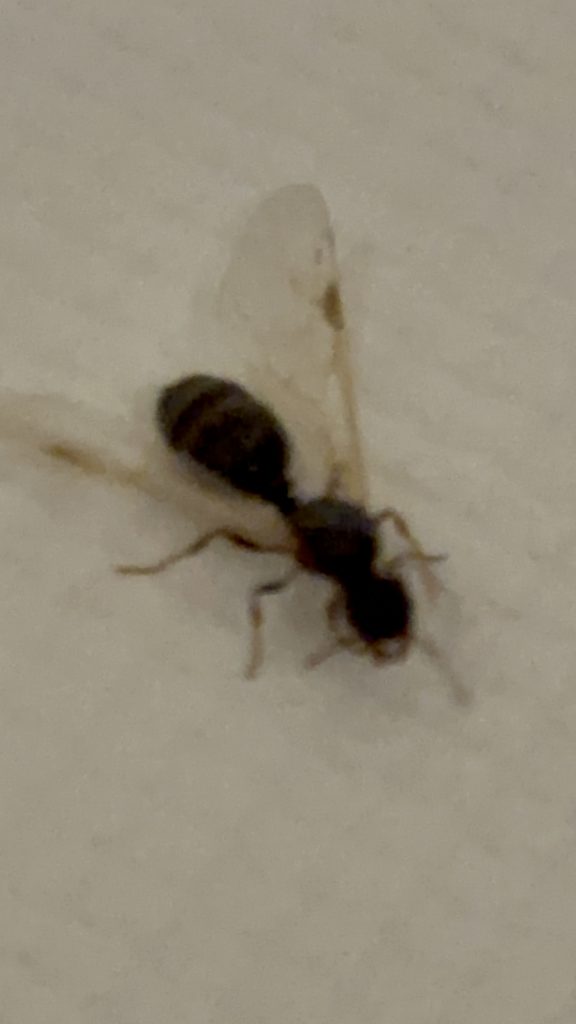
Black Ant Control for Small Kitchens & Tiny Homes – Exterminators in King County, WAThorough Inspection identify ant entry points and nest locations. Targeted Treatment Custom solutions based on your home size and infestation level. Preventive Sealing cracks and offer tips to prevent future problems. Follow-Up Support Guaranteed results, with optional check-ins. Request a Free Estimate TodayCall 206 571 7580 or fill out our quick form below to schedule your free black ant inspection door fast, friendly, and fully equipped. Don’t let ants take over your kitchen take action today Serving all of King County, WA tiny homes, ADUs, apartments, and small kitchens The Process of find Why You Should Be Concerned About Black Ants in King County, WA Black ants, also known as sugar ants or odorous house ants, are commonly found in King County. While they may seem harmless at first, they can quickly invade your home or business in search of food, water, and shelter. The problem is, black ants can be challenging to control once they’ve established a colony. The Main Issues with Black Ants: Effective Solutions from Local Exterminators for Black Ants in King County, WA 1. Inspection and Identification The first step in dealing with black ants is a thorough inspection. Professional exterminators in King County can assess the infestation’s scope and identify the species of ant. Knowing the exact species helps in determining the most effective treatment strategy. 2. Extermination Methods Once the infestation is identified, local exterminators for black ants will employ a combination of treatments, which may include: 3. Sealing Entry Points Preventing future infestations is a critical part of the pest control process. A professional exterminator will seal potential entry points around your home or business, such as: Sealing these areas helps block access to your property, reducing the chances of future infestations. 4. Long-Term Prevention and Maintenance Local exterminators in King County, WA, will not only eliminate the current infestation but also offer ongoing monitoring and maintenance plans. Regular inspections can help catch any new ant activity early and ensure your property remains ant-free. How to Choose the Right Local Exterminator for Black Ants in King County, WA When searching for local exterminators for black ants in King County, consider the following factors to ensure you’re choosing the best service for your needs: DIY Methods vs. Professional Extermination: What’s Best for Black Ants? While DIY methods like using ant baits, vinegar solutions, or essential oils may offer temporary relief, they typically don’t address the root cause of the problem. Professional exterminators in King County can identify the nest and eliminate the colony, offering more comprehensive and long-lasting results. Why Professional Extermination is Recommended: How Long Does It Take to Get Rid of Black Ants in King County? The timeline for getting rid of black ants can vary depending on the severity of the infestation and the methods used. With professional extermination services, you can expect to see a noticeable reduction in ants within a few days, but it may take a week or more to fully eradicate the colony and prevent future invasions.
Sugar Ant Control in Renton, WA Stop the Spread Before It Starts
Tiny black ants in your kitchen or bathroom? In Renton, it’s almost always sugar ants also known as odorous house ants. These pests don’t just show up for crumbs. They’re often a sign of hidden moisture and structural access points, especially in older homes or wooded neighborhoods. Without expert treatment, sugar ants quickly form satellite colonies and keep coming back. Why Renton Homes Are Prime Targets for Sugar Ant Infestations Renton’s humid climate, dense tree cover, and proximity to streams and ravines make it an ideal environment for sugar ants. We see major activity near Talbot Hill, Cascade, and the Highlands especially in homes with crawlspaces, outdated plumbing, or poor drainage. Once inside, ants follow plumbing lines, baseboards, and subfloor gaps straight to food and water. How We Treat Sugar Ants in Renton Homes & Businesses DIY sprays often make things worse. They kill visible ants but trigger the colony to break apart and relocate deeper into the structure. Our exterminators use bait systems, non-repellent treatments, and sealing strategies to eliminate nests and prevent re-entry. We tailor every Renton pest control plan to the home’s layout, ant behavior, and surrounding environment. Local Pest Control You Can Count On We’re not just ant specialists. Our integrated pest control services cover rodents, termites, spiders, roaches, and wasps all common threats to homes and commercial properties in Renton. Whether you’re managing a rental unit near downtown or a residential property off Benson Road, we offer fast, discreet, and long-term pest solutions. Request Your Sugar Ant Inspection in Renton Today Don’t wait for ants to spread behind your walls or into your tenants’ units. Our Renton pest control team offers same-week appointments and proven treatments that work. Call now to schedule a professional inspection and stop the infestation at the source. FAQ What attracts sugar ants to homes in Renton? Sugar ants are drawn to moisture and sweet food residue. Kitchens, bathrooms, and crawlspaces in Renton homes often provide ideal nesting and feeding areas. Do sugar ants cause structural damage? While sugar ants don’t chew wood like termites, their large colonies can spread behind walls, baseboards, and insulation, creating sanitation and infestation concerns. Will over-the-counter ant sprays get rid of sugar ants? DIY sprays may kill visible ants but often cause the colony to split and spread. Professional pest control targets nests and entry points for long-term elimination. How soon can you treat my property in Renton? We offer fast response times for homes and businesses in Renton. Contact us today to schedule an inspection and begin treatment within 24–48 hours in most cases. Are your treatments safe for kids and pets? Yes. We use targeted, low-toxicity products designed to safely treat sugar ant infestations while protecting your family, pets, and the environment.
Why Little Black Ants Keep Coming Back in Your Sammamish Kitchen
Why Little Black Ants Keep Coming Back to Your Sammamish Kitchen and the Fix That Actually Works Quick answer: Little black ants return after spraying because the species common to Sammamish kitchens the odorous house ant responds to repellent chemicals by splitting into multiple satellite colonies rather than dying. This is called budding. The only treatment that eliminates the full colony is slow-acting bait that worker ants carry back to the queen. Professional bait treatment by a licensed exterminator is the only reliable solution. There is a particular kind of frustration that hits Sammamish homeowners every March. The counters are clean. The dishwasher runs every night. The fruit bowl moved to the refrigerator after the first sighting. And still, every morning, a fresh line of tiny black ants threads along the same stretch of backsplash like nothing happened. Here is what is actually going on and why the spray you reached for first almost certainly made the situation worse. AMPM Exterminators has treated ant infestations across the Sammamish Plateau, Issaquah, Kirkland, Redmond, Bellevue, Renton, and Fall City for years. This page explains exactly what is happening in your kitchen, why Sammamish homes are specifically vulnerable, and what a proper treatment actually looks like from first inspection to colony elimination. For same day service call (425) 495 0306 or visit our ant control services page to request a free inspection. The Real Reason Ants Keep Coming Back After You Spray When you see an ant trail and reach for a can of Raid, the instinct makes sense. The spray kills the ants you can see. The trail disappears. But within 48 to 72 hours, more ants appear often from a different direction and in larger numbers than before. This is not a coincidence. It is documented ant biology. The species responsible for the vast majority of Sammamish kitchen ant problems is Tapinoma sessile the odorous house ant, commonly called a sugar ant. According to research published by Washington State University Extension, odorous house ants are both polydomous (multiple nest sites simultaneously) and polygynous (multiple queens per colony). When a colony detects a repellent chemical threat at a foraging trail, the queens initiate budding a deliberate survival strategy where the colony fractures into several smaller satellite colonies that relocate to unaffected areas nearby. What you killed was a foraging trail. What you created were three or four new nesting sites, each with its own queen, each capable of producing four to five new generations of workers per year. This is not a failure of effort. It is a predictable biological response to the wrong tool. What actually works: Slow acting gel or granular bait placed along active foraging trails. Worker ants carry the bait back to the queen as food. Because the active ingredient works slowly, workers make multiple trips before dying ensuring the entire colony, including all satellite nests and every queen, is eliminated from the inside out. Colony elimination takes one to four weeks, but it works where spray fails every single time. See our full breakdown of why ant spray makes odorous house ant infestations worse the same dynamic that hits Bellevue homeowners hits Sammamish even harder because of the specific construction type on the Plateau. For situations where you need someone today, our emergency ant service covers Sammamish and all Eastside cities with same day dispatch. Why Sammamish Homes Are Specifically More Vulnerable Than the Rest of King County Generic pest control content treats all of King County as one uniform problem. It is not. Sammamish has a distinct set of physical and environmental conditions that make ant infestations both more frequent and harder to eliminate than in older Seattle neighborhoods. If you have ever wondered why your neighbors in Seattle proper seem to have a milder ant problem despite similar habits, this is why. The Slab Foundation Problem The majority of homes on the Sammamish Plateau were built between 1995 and 2015 a construction window that heavily favored slab-on-grade foundations. Odorous house ants are strongly attracted to warm concrete perimeters. The slab retains heat from the day into the evening, creating an ideal nesting microclimate directly against your home. Over 20 to 25 years, tiny gaps open at expansion joints, utility penetrations, and the slab-wall transition. These are the entry highways that most homeowners never locate and that DIY spray never reaches. HOA Bark Mulch Beds Are Feeding the Problem Many Sammamish neighborhoods Trossachs, Timberline, Pine Lake, Beaver Lake Estates, Inglewood Station have HOA landscaping guidelines that favor bark mulch or wood chip beds running flush against the foundation. This is perfect ant habitat: moist, thermally stable, and within a few inches of your home’s interior. Ants nest in the mulch and commute in daily. Treating the kitchen without addressing the mulch bed is the professional equivalent of mopping the floor while the faucet is still running. Oregon State University’s Pacific Northwest Pest Management Handbook is explicit on this point: mulch beds against the foundation must be raked back before any exterior perimeter treatment can be effective. The Aphid Connection Nobody Talks About Here is the factor that no competitor page in this market mentions, because it requires actually knowing Sammamish landscapes: odorous house ants farm aphids. According to WSU Extension research on Tapinoma sessile, worker ants actively tend aphid colonies on ornamental plants for their honeydew a sugar rich secretion that serves as a primary food source. The dense ornamental shrub plantings common in Sammamish neighborhoods, kept lush by professional irrigation systems, are ideal aphid habitat. If aphid colonies are present in the foundation shrubs against your house, you have an outdoor food source sustaining the ant colony regardless of what you do inside. Treating the ants without inspecting those plants is treating the symptom while leaving the fuel in place. Plateau Moisture and Tree Canopy Sammamish sits at elevation with consistently higher rainfall and humidity than lower elevation Eastside cities. Dense Douglas fir and western red cedar canopy keeps soil moisture elevated well into summer. This environment
King County’s Annual Spring Ant Invasion Why It Happens And How to Stop It for Good
King County’s Annual Spring Ant Invasion Why It Happens (And How to Stop It for Good) Every spring, homeowners and businesses across King County report the same problem: tiny ants suddenly swarming kitchens, bathrooms, and commercial spaces. From Sammamish to Bellevue, Redmond to Renton, the calls for ant extermination spike in March and April and if you’re seeing ants this season, you’re not alone. This guide explains why ants invade, which species are most common in King County, and what you can do to stop them before they take over your home or business. Why Ants Invade in the Spring Ant activity increases dramatically when temperatures warm up and colonies wake from winter dormancy. Here’s why you’re seeing ants now: Even spotless homes and well-maintained businesses are vulnerable ants go wherever the environment is warm, wet, and food friendly. The Most Common Ants in King County Homes & Businesses Sugar Ants (Odorous House Ants) These small black ants are notorious for forming long trails into kitchens and pantries. They’re attracted to sweets, grease, and crumbs. Carpenter Ants Much larger than sugar ants, carpenter ants can hollow out damp wood to create nests — sometimes causing structural damage. Pavement Ants Usually nest under sidewalks and driveways, but can invade ground-level kitchens when populations grow. Learn More About Our Ant Control Process → Homeowner Spring Ant Prevention Checklist Seal Food: Store cereal, sugar, and pet food in airtight containers. Fix Leaks: Check under sinks and around appliances for water leaks. Wipe Trails: Clean counters and floors with vinegar solution to remove scent trails. Seal Entry Points: Caulk cracks around windows, doors, and foundation gaps. Trim Vegetation: Keep shrubs and tree branches from touching siding. Use Bait (Not Spray): Sprays can scatter colonies baiting is more effective. Business & Commercial Kitchen Checklist Daily Sanitation: Sweep, mop, and wipe down prep areas nightly. Seal Waste Bins: Keep dumpsters closed and far from building entrances. Employee Training: Teach staff to report sightings early. Professional Monitoring: Schedule seasonal inspections to avoid health code issues. Explore Commercial Pest Solutions → Eastside & King County Hotspots Sammamish: Ant trails inside outlets and baseboards Bellevue: Condo kitchens reporting sugar ant swarms Redmond: Commercial kitchens seeing fast infestations Issaquah: Outdoor patios and door trims attracting ants Kent & Renton: Warehouse and breakroom issues growing with spring warmth If you live or work in these areas, act early before ants establish permanent colonies inside your walls. When DIY Isn’t Enough If you’re still seeing trails after 48 hours of baiting, you may have a deeper nest issue requiring professional treatment. Request a Spring Ant Inspection → FAQs – Spring Ant Problems in King County Q: I sprayed ants last week why are they back?A: Sprays kill visible ants but don’t reach hidden colonies. Without baiting, they’ll just re-route and return. Q: Can ants really come through outlets or under dishwashers?A: Yes. Kitchens offer warmth and moisture ants often nest behind walls, under floors, and inside electrical outlets. Q: Should I treat now or wait until I see more?A: Spring is the best time to act before colonies expand. Waiting makes infestations harder to control. Q: Do businesses need professional monitoring?A: Yes. Regular inspections prevent surprise infestations that can lead to health code violations. Schedule Your Ant Inspection Today → Also Serving Bellevue, Sammamish, Redmond, Renton, Issaquah, Kent, Kirkland, and all of King County. Final Call to Action Don’t wait until ants take over your home or shut down your restaurant kitchen. AMPM Exterminators provides safe, targeted ant control with follow-up to ensure full colony elimination. Call 206-571-7580 Request Your Ant Inspection Online →