
Should You Call a Pro to Deal with Big Carpenter Ants in Your House?
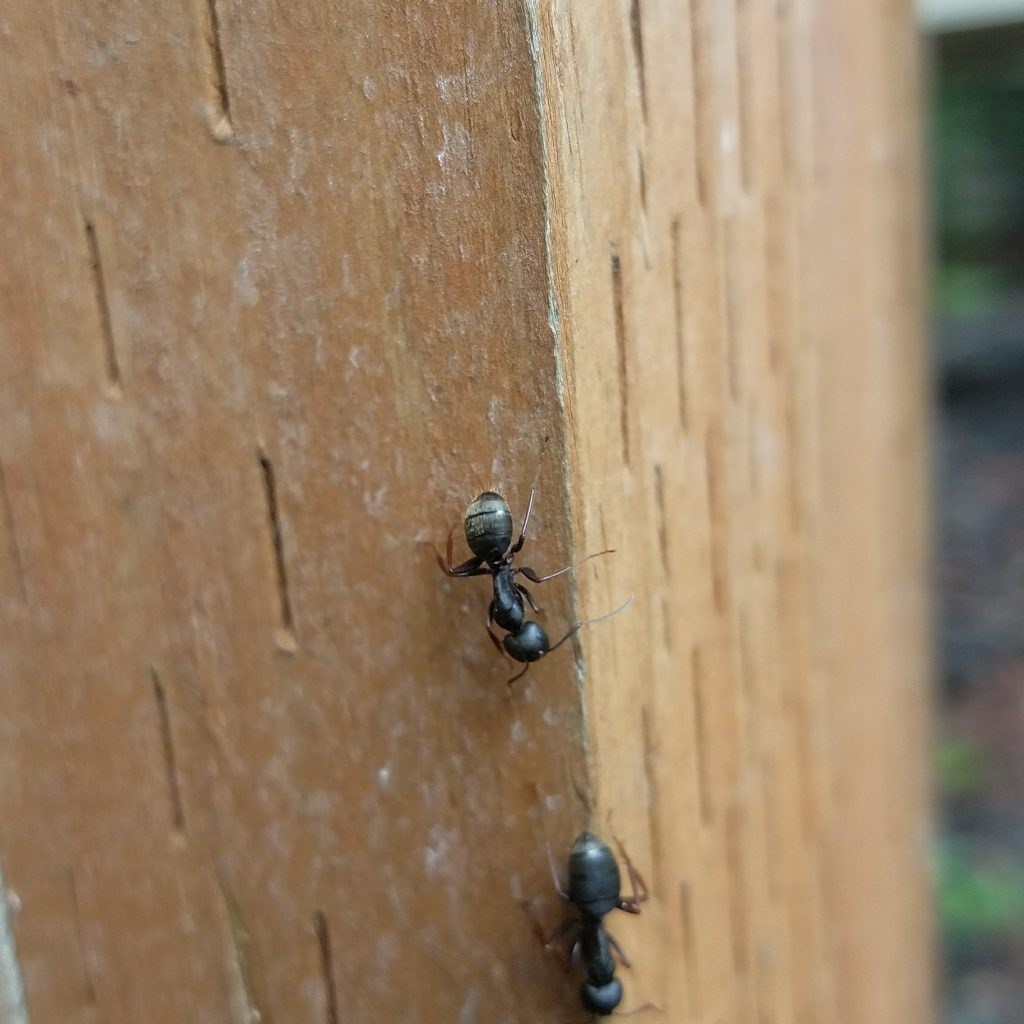
Should You Call a Pro to Deal with Big Carpenter Ants? | AMPM Exterminators Should You Call a Pro to Deal with Big Carpenter Ants? Noticing Large Ants Around Your Home? If you’re seeing big black ants near your windows, baseboards, or outside walls especially during spring you may be dealing with carpenter ants. These ants don’t eat wood like termites, but they chew through it to build massive satellite colonies inside homes. So when should you call in an exterminator? Here’s how to tell if your carpenter ant problem is more than just a few foragers. DIY vs. Pro Carpenter Ant Control What’s the Difference? For minor activity (a few visible ants), it’s fine to try bait or spot spray. But carpenter ants are experts at hiding in wall voids and structural areas. If the colony goes undetected, they can cause long term damage before you ever see a swarm. DIY Carpenter Ant Control Might Work If: You only see a few ants, usually outdoors or near food. No signs of frass (sawdust like debris). No clicking or chewing sounds in walls at night. You’ve identified and treated a small nest area. But Call a Pro Immediately If You Notice: Frass piles near baseboards or window frames Winged ants emerging inside the house Clicking/tapping sounds from walls Soft, sagging wood or unexplained moisture damage Carpenter ants often nest inside wall studs, eaves, attic insulation, and hollow doors and build multiple satellite colonies that spread quickly. How Pros Handle Carpenter Ants (What DIY Misses) Professional exterminators like AMPM use a multi step strategy to not just kill visible ants, but eliminate the hidden colony too. Species & Nest ID: We distinguish between carpenter ants and similar looking species (like field ants or pavement ants). Thermal or moisture detection: Pinpointing nests in hidden walls or damp beams. Gel baiting & perimeter spray: Baits are taken back to the queen the only way to kill the colony. Structural exclusion: We seal up likely entry points in crawlspaces, vents, and siding gaps. Carpenter Ant FAQs Q: What’s the difference between carpenter ants and termites? A: Carpenter ants chew through wood to build nests but don’t eat it. Termites consume wood. Both can cause structural damage. Q: How big is a carpenter ant colony? A: A mature colony may have 10,000 to 50,000 ants and multiple nest sites (satellites). Q: Can I wait and see if the problem goes away? A: Unfortunately, no. Ant colonies don’t collapse on their own they grow in silence until the damage is severe. Call AMPM Exterminators for Carpenter Ant Inspections Based in Seattle and serving all of King County, we offer fast, expert service for homeowners concerned about carpenter ant activity. 📞 206-571-7580 🔗 Request a carpenter ant inspection 🕒 Open 7 Days a Week | Licensed & Insured Also see: Sugar Ant & Little Black Ant Removal | Seattle Ant Extermination
Rats in the Walls? Stop King County Rodent Infestations Before They Cost Thousands
Every week, homeowners and businesses across King County call us in a panic: “I hear scratching in my walls.”“I just found droppings in my kitchen.”“Something chewed through my car wiring overnight.” If you live in Seattle, Bellevue, Sammamish, Redmond, or any Eastside city, you are in prime rodent territory. Mice and rats are more than just a nuisance they spread disease, chew through wires, and cause expensive structural damage if not stopped quickly. Why Rodent Problems Spike in King County Rodent activity surges in spring and fall as changing weather drives them indoors. Your home or business offers the perfect mix of warmth, food, and nesting material. Weather Shifts: Rain and cold drive rodents out of burrows. Food Access: Pet food, garbage bins, and pantries attract them. Entry Points: Gaps as small as ¼ inch allow mice inside. Even new construction homes and clean commercial kitchens aren’t immune if there’s a way in, rodents will find it. Signs of Rats or Mice in Your Walls Scratching or scurrying noises at night Droppings along baseboards or under sinks Chewed wires, insulation, or stored items Strong ammonia-like odor from urine Greasy rub marks on walls or beams If you notice one or more of these, you likely have an active infestation. DIY Prevention Checklist (Homes & Businesses) Take these steps today to reduce your risk: Seal Entry Points: Fill cracks with steel wool and caulk around pipes, vents, and foundations. Store Food Securely: Keep pet food and pantry items in sealed containers. Manage Garbage: Use lidded bins and take trash out regularly. Trim Vegetation: Keep shrubs and wood piles at least 12 inches away from the house. Fix Leaks: Standing water attracts rodents and pests. If you still hear activity after sealing and cleaning, you need a professional inspection. Professional Rodent Control in King County AMPM Exterminators provides full-service rodent control, not just traps. Our process includes: Detailed Inspection: Crawl space, attic, garage, and kitchen checks. Rodent Exclusion: Sealing all entry points so rodents can’t return. Baiting & Removal: Targeted stations that safely eliminate the colony. Sanitation & Odor Control: Cleaning droppings and contaminated insulation. Follow-Up: Ensuring your home or business stays rodent-free. Learn more about our Rodent Control Process » King County Cities We Serve Seattle (Wallingford, Ballard, West Seattle) Bellevue & Kirkland Sammamish & Issaquah Redmond & Bothell Kent, Renton & Tukwila Whether it’s a single-family home, condo HOA, restaurant, or warehouse we have plans for both residential and commercial clients. FAQs: King County Rodent Problems Q: Are rats dangerous?A: Yes they can carry salmonella, hantavirus, and other diseases. Learn about rodent cleanup safety here. Q: I hear scratching in my attic. What should I do first?A: Schedule a rodent inspection before they breed and cause wiring damage. Q: Do you offer same-day service?A: Yes, we offer emergency pest control in Seattle and King County. Act Fast Before Damage Spreads The longer you wait, the more costly the damage becomes. Droppings, chewed wires, and gnawed framing can lead to thousands of dollars in repairs. 📞 Call AMPM Exterminators today at 206-571-7580 for a same day rodent inspection in King County.Or request your inspection online »
Yarrow Point Pest Control Ant Infestations in Luxury Homes with Irrigation & Landscaping
Yarrow Point’s waterfront homes and landscaped estates may look pristine, but they’re highly vulnerable to little black ants and sugar ants. With irrigation systems, dense greenery, and moisture around siding, these properties create the perfect conditions for colonies to thrive outdoors and trail directly inside. Yarrow Point properties with heavy landscaping and irrigation systems are especially vulnerable to persistent ant infestations. Why Ants Target Yarrow Point Homes Irrigation and sprinklers keep soil damp, supporting ant colonies Extensive landscaping provides countless nesting sites Mulch and ground cover allow ants to expand unseen Cracks in foundations or siding give access indoors Kitchens, pantries, and wall voids become prime nesting zones once ants are inside Challenges in High-End Properties Ant colonies spread between landscaping and interior voids DIY sprays may kill visible ants but push colonies deeper into walls Luxury homes often have complex irrigation systems, crawlspaces, and larger square footage, requiring customized treatment Frequent entertaining and catering means kitchens can’t risk recurring infestations AMPM Exterminators’ Yarrow Point Ant Control Plans Detailed inspection of irrigation lines, landscaping edges, and home foundations Use of non-repellent baits carried by workers back to hidden queens Targeted crawl space treatments to protect against moisture-driven colonies Discreet indoor solutions for kitchens and pantries without disrupting residents Yarrow Point’s ant infestations are similar to Sammamish residential problems, but with the added challenge of landscaping and irrigation systems that sustain colonies year-round. For homeowners who want a deeper understanding of ant behavior across King County, visit our Complete Guide to Little Black Ant & Sugar Ant Removal. Call to Action If you’re a Yarrow Point homeowner tired of recurring ants in your kitchen or landscaping, call AMPM Exterminators at 206-571-7580 for proven residential ant extermination services in Yarrow Point. Looking for related solutions? Residential sugar ant problems in Sammamish Sugar ant extermination in Seattle homes Office building ant infestations in Bellevue
Tiny Invaders, Big Problem: Expert Little Black Ant Control for Seattle and the Eastside
If you’ve spotted a trail of tiny, dark insects marching through your kitchen, you’re likely dealing with the most common nuisance pest in the region: little black sugar ants. While small, these pests can quickly become a major annoyance, contaminating food and frustrating homeowners across King County. Why these ants are so prevalent in areas like Bellevue, Issaquah, Kirkland, Redmond, Sammamish, and Mercer Island, and when it’s time to call professional ants exterminators for a permanent solution. Why Little Black Ants Love Seattle Especially the Eastside The climate and environment of the Greater Seattle area are ideal for these pests. They seek moisture and shelter, which they find in our lush gardens, under decks, and within the foundations of homes. The modern, well-landscaped properties on the Eastside of Seattle provide perfect harborage sites. They are called “sugar ants” for a reason they have a powerful craving for sweets and will tirelessly exploit any available food source in your pantry. Why DIY Ant Control Often Fails Store bought sprays and baits might kill the worker ants you see, but they rarely reach the heart of the problem: the hidden colony and its queen. This often results in a temporary reprieve followed by a full-blown re-infestation. Effective ants extermination requires strategic expertise to locate nests and eliminate the entire population at its source. Our Fast, Targeted Ant Extermination Service When you need reliable little black ants pest control service, our local Seattle exterminators provide a comprehensive solution. We don’t just treat the symptom; we solve the problem. Our process includes: Inspection: A thorough examination to identify ant trails, entry points, and nest locations. Customized Treatment: Using targeted baits and barriers that are carried back to the colony by worker ants, ensuring the queen is eliminated. Prevention Advice: Expert tips to make your property less attractive to ants in the future, protecting your investment. Serving Seattle and All Eastside Cities We are your local specialists for little black ants exterminators services, proudly serving communities throughout the region. If you’re in Bellevue, Redmond, Sammamish, Kirkland, Issaquah, Mercer Island, or anywhere in King County, Washington, we have the local knowledge to provide fast and effective ant control removal. Don’t let a small ant problem become a giant headache. For fast, reliable ant control that lasts, the solution is clear. Looking for related services? Commercial ant control for warehouses in Kent Ant control for logistics facilities in Tukwila Residential sugar ant problems in Sammamish
Does Homeowners Insurance Cover Termite Damage? The WA Homeowner’s Guide

The $11,000 Surprise: Why Your Home Insurance Won’t Cover Termite Damage And What Will If you’ve found this page, you’ve likely just had a chilling realization: the average termite damage repair in Washington State costs between $3,000 and $11,000, and your homeowner’s insurance almost certainly will not cover it. This isn’t a minor oversight it’s a standard exclusion in nearly every policy. Insurance is designed for sudden, accidental events like a fire or a burst pipe. Termite damage is considered a preventable maintenance issue, happening slowly over time. Explain exactly why you’re financially on the hook, how to spot damage early, and the single most effective way to protect your largest investment. The Fine Print: Understanding the Termite Exclusion How Much Could This Really Cost Me in King County? Termite damage isn’t just about replacing a few boards. The real cost comes from the extensive work required to fix the hidden structural damage they cause. Type of Repair Typical Cost Range in WA What It Involves Localized Damage $1,200 – $3,000 Replacing damaged sill plates, floor joists, or window frames. Significant Structural $5,000 – $15,000+ Replacing support beams, subflooring, and extensive wall framing. Tenting & Treatment $1,500 – $3,500 Eliminating the active colony, often required before repairs can begin. Total Rebuild Scenario $20,000+ In extreme cases where the structure is compromised. The 5 Silent Signs of Termites in Pacific Northwest Homes Since you can’t rely on insurance, early detection is your only financial defense. The Only Insurance Policy That Actually Works Against Termites The alternative to home insurance isn’t going without it’s proactive protection. A professional termite control plan is your true safeguard. It functions as a dedicated “termite insurance policy” that actually prevents the damage in the first place. FAQ: Termites and Insurance in Washington Q: I just found termite damage. What should I do first?A: 1.) Document the damage with photos. 2.) Call a licensed termite inspector for a full assessment. 3.) Get a detailed repair quote. 4.) Review your insurance policy with your agent, but manage your expectations. Q: Are certain homes in King County more at risk?A: Yes. Older homes pre1970, homes with crawl spaces, and those with wood to soil contact e.g., fence posts touching the house are at significantly higher risk. Q: What’s the difference between a $500 termite treatment and a $2,500 one?A: The cheap option is often a spot treatment that only addresses the area you can see. The comprehensive option includes a full inspection, soil treatment around the entire foundation, and often a warranty that includes damage repair. Don’t Risk a Five Figure Repair Bill The cost of being wrong is simply too high. A full termite inspection is a small price to pay for the certainty of knowing your home is safe. Schedule your Free Termite Inspection today. Our certified inspectors will provide a clear, honest assessment of your home’s risk and a transparent plan to protect it. Call (206) 571 7580 or visit our website to book online.
Understanding Rat Exterminator Costs: A Comprehensive Guide
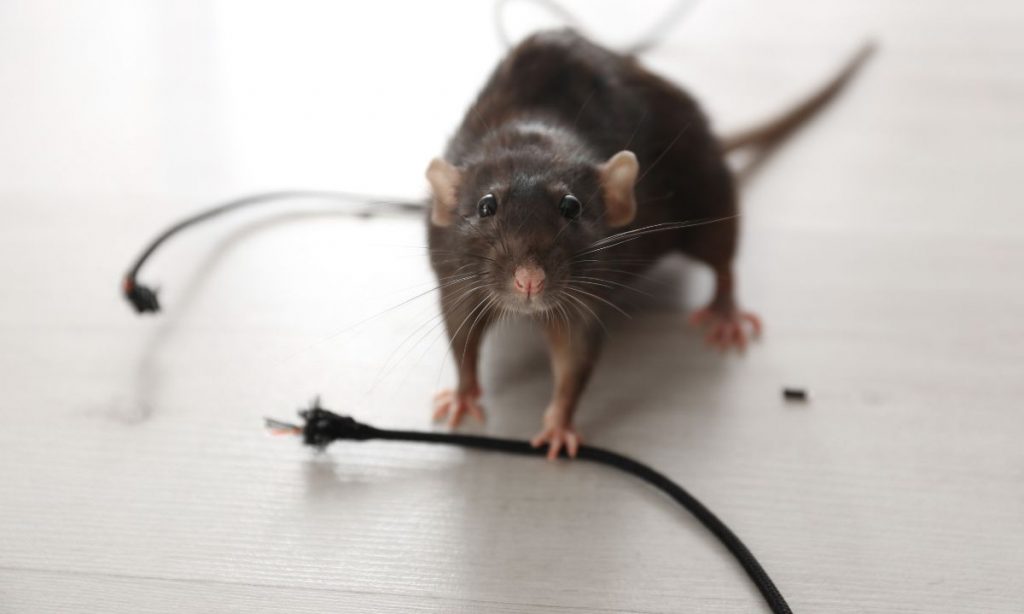
Rats can be a homeowner’s worst nightmare. Not only do they pose health risks, but they can also cause significant property damage. Understanding the costs associated with rat extermination is crucial for homeowners facing this issue. In this guide, we will explore the various factors that influence rat extermination costs, the different methods available, and what you can expect when hiring a professional exterminator. 1. Factors Influencing Rat Extermination Costs The cost of rat extermination can vary widely based on several factors, including: 2. Common Rat Extermination Methods There are several methods for rat extermination, each with its associated costs: Pest Control Method Cost Range Description Traps $150 – $600 Effective for small infestations; involves setting traps to catch rats. Bait Stations $200 – $500 Uses poison bait to lure and kill rats; requires careful placement. Fumigation $2,000 – $6,000 Involves sealing off the property and using gas to eliminate rats; best for severe infestations. Understanding these methods will help homeowners make informed decisions about their pest control options. 3. Average Costs of Rat Extermination On average, homeowners can expect to pay around $300 for rat extermination services. However, this can fluctuate based on the factors mentioned earlier. Here’s a breakdown of typical costs: Service Type Cost Range Basic Removal $150 – $400 Full-Service Remediation $200 – $700 Severe Infestation $1,000 – $1,200 It’s essential to get quotes from multiple exterminators to find the best price for your specific situation. 4. DIY vs. Professional Extermination While DIY methods may seem cost-effective, they often lack the effectiveness of professional services. Here’s a comparison: Aspect DIY Methods Professional Services Cost As low as $10 Starts around $150 Effectiveness Often insufficient Comprehensive and thorough Long-term Prevention Limited Includes preventative measures DIY traps and poisons can cost as little as $10 but may not address the root of the problem. In contrast, hiring a professional ensures a thorough inspection and effective treatment, potentially saving homeowners money in the long run by preventing further infestations. 5. FAQs 1. What is the average cost of rat extermination?The average cost ranges from $150 to $600, depending on the severity of the infestation. 2. How long does rat extermination take?The process can take anywhere from a few days to several weeks, depending on the infestation size. 3. Are there any guarantees with extermination services?Many companies offer guarantees, but it’s essential to clarify this before hiring a service. 6. Conclusion Understanding the costs associated with rat extermination is vital for homeowners. By considering the factors that influence these costs and the various methods available, you can make an informed decision about how to tackle a rat infestation. Always consult with professionals to ensure the best outcome for your home. This comprehensive guide not only outlines what you need to know about rat exterminator costs but also emphasizes the importance of addressing infestations promptly and effectively. For additional assistance or to schedule an inspection, consider reaching out to local pest control services like those offered by AMPM Exterminator. By being informed about your options and potential costs, you can better protect your home from these unwelcome pests while ensuring that your investment in pest control is worthwhile.
How to Get Rid of Ant Hills DIY vs. Professional Methods

How to Get Rid of Ant Hills DIY vs. Professional Methods | AMPM Exterminators How to Get Rid of Ant Hills DIY vs. Professional Methods Are Ant Hills Popping Up All Over Your Yard? If you’re finding small mounds of dirt in your lawn, sidewalk cracks, or garden beds, you’re likely dealing with active ant hills. These are more than just unsightly they’re the tip of a much bigger underground colony. Getting rid of ant hills effectively means eliminating both the visible mound and the ants living below the surface. What Are Ant Hills, and Why Do They Appear? Ant hills form as ants excavate tunnels and push soil to the surface. They’re typically created by sugar ants, pavement ants, or even carpenter ants. A single colony can support up to 100,000 workers, and multiple hills may be connected underground. Common causes: Moist, well-drained soil (lawns, flower beds) Cracks in driveways and patios Tree roots and stump decay DIY Methods to Eliminate Ant Hills Here are a few common at home approaches: Boiling Water: Pour directly into the mound to kill surface ants and collapse tunnels. Vinegar + Water Mix: Natural disruption method, though not always effective for deep colonies. Borax Bait Traps: Combines sweet bait with borax to kill the colony over time. Diatomaceous Earth: A powder that damages ants’ exoskeletons sprinkle around the mound and garden beds. 💡 Note: Many DIY methods provide only temporary relief and won’t reach deeper nests. When to Call a Professional Ant Exterminator Persistent ant hills, multiple colonies, or ants entering your home signal that it’s time to bring in a pro. At AMPM Exterminators, we use targeted baiting and insect growth regulators to eliminate entire colonies, not just the surface mound. ✔️ Advanced gel baiting systems ✔️ Yard-safe perimeter treatments ✔️ Nest tracking and elimination ✔️ Family and pet-friendly options Need fast, safe ant hill removal in Seattle or King County? 📞 Request a Free Inspection or call 206-571-7580. FAQs About Ant Hills Q: Should I destroy the mound or leave it alone? A: Destroying the mound without treating the colony will not stop the infestation. Use bait or call a pro for best results. Q: Are ant hills a sign of a bigger problem? A: Yes. Multiple hills may indicate satellite nests or a massive colony network underground. Q: Can I use bleach or ammonia? A: These are not safe or effective for ant hills. They may push the colony to relocate — or drive ants into your home. Next Steps: Eliminate Ant Hills for Good Don’t just stomp the mound and hope for the best. Whether you’re trying natural DIY remedies or want guaranteed results, AMPM Exterminators has your back. 🔗 Learn more about sugar ant control 🔗 Seattle ant extermination services Serving homeowners in: Seattle, Bellevue, Renton, Kent, Sammamish, and surrounding King County neighborhoods.
Pacific Northwest Spider Identification & Control: What Seattle and King County Homeowners Actually Need to Know
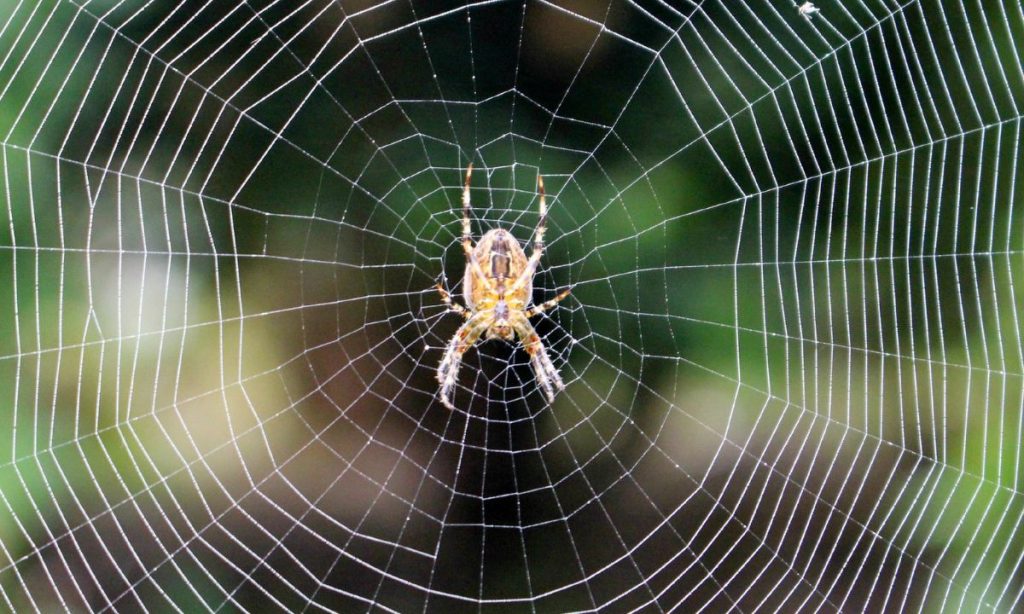
Why Washington State Has More Spider Activity Than Most of the Country Washington State’s temperate maritime climate mild winters, wet springs, long humid summers creates one of the most productive spider habitats in North America. Unlike northern states where hard freezes suppress arthropod populations for months, King County and the greater Puget Sound region sustains spider activity twelve months per year. Ambient insect populations that would collapse under a hard winter remain viable through Seattle’s mild, wet winters, providing spider food sources that keep indoor populations active in every season. The result is that Pacific Northwest homeowners encounter spiders indoors at a frequency that surprises people relocating from colder climates. What appears to be a seasonal problem is, in western Washington, a structural one and professional spider control in Seattle and King County addresses both the spiders and the conditions that make a building continuously hospitable to them. This guide covers every spider species you are likely to encounter in a western Washington home or business, what the science actually says about their risk, how to tell them apart, when to treat independently, and when to call a licensed spider exterminator. Spider Season in the Pacific Northwest: When and Why Activity Spikes Spider activity in western Washington follows a predictable pattern that every homeowner in Seattle, Renton, Bellevue, Kirkland, and King County’s rural Eastside should understand. Spring (March–May): Egg sacs laid the previous fall begin hatching. Spiderling populations disperse throughout the structure from overwintering harborage. Activity is distributed across the building rather than concentrated in visible zones. Summer (June–August): Populations mature and establish feeding territories. Outdoor webs become prominent in garden areas, eaves, and entry points. Interior populations build in crawlspaces, basements, and wall voids where prey insects are concentrated. Fall (August–October): The most visible and high contact season for most western Washington homeowners. Adult male giant house spiders and hobo spiders leave their established webs to wander in search of mates, entering living spaces through gaps at an elevated rate. This is the season when spider sightings in kitchens, bathrooms, and bedrooms peak sharply. The same temperature differential that draws rodents into structures in fall draws spiders warmth, shelter, and abundant indoor prey insects. Winter (November–February): Indoor populations persist wherever prey is available. Crawlspaces, garages, and utility areas with insect activity remain active spider zones year round. Outdoor populations reduce but do not disappear in King County’s mild winters. Understanding this cycle is important for timing spider extermination treatment in King County. Treating in late summer before the fall wandering peak is significantly more effective than treating reactively once spiders are already visible throughout living areas. Complete Pacific Northwest Spider Identification Guide Giant House Spider Eratigena atrica What it looks like: The largest house entering spider in Washington State, with a leg span frequently exceeding three inches and occasionally reaching four inches in mature males. Body color is warm brown to tan with faint lighter chevron markings across the abdomen. The most diagnostic feature at a distance is movement giant house spiders are exceptionally fast over short distances, which is the primary reason encounters generate alarm disproportionate to the species’ actual risk. Where it lives: Giant house spiders construct flat funnel webs in undisturbed low areas behind stored boxes, under basement stairs, inside crawlspace framing, in garage corners, and along foundation walls. The funnel narrows into a retreat tube where the spider rests. Males abandon their webs in fall to wander in search of females, which is when the species is most commonly encountered in open living areas. Medical significance: None. Giant house spiders are not aggressive and do not bite in ordinary circumstances. Their venom produces at most localized irritation in the rare event of a bite. The species’ imposing size is the source of most concern the risk itself is negligible. When it becomes a problem: When wandering males repeatedly enter living spaces, when established webs accumulate in crawlspaces and basements in large numbers, or when the presence of giant house spiders in a commercial or hospitality setting creates customer facing concerns. The spider’s presence at high density also indicates a substantial underlying insect population providing the food source sustaining them a signal that broader pest control in Seattle and King County may be warranted. Hobo Spider Eratigena agrestis What it looks like: Medium sized with a leg span of one to two inches. Brown body with a distinctive herringbone or chevron pattern across the dorsal abdomen a pattern that distinguishes it from the giant house spider when the specimen is stationary and can be examined closely. Hobo spiders also construct flat funnel webs, which makes visual distinction from the giant house spider at a distance difficult for non specialists. Where it lives: Basements, crawlspaces, window wells, wood piles, and undisturbed low areas throughout western Washington. The hobo spider is particularly abundant in older Seattle neighborhoods with unfinished basements and wood frame crawlspaces, and in rural King County properties where outbuildings and debris piles provide abundant harborage. The scientific record on venom: This requires careful accuracy. Earlier research attributed necrotic skin lesions to hobo spider bites, and the species was listed as medically significant by the CDC. Subsequent research including controlled studies that could not replicate necrotic effects revised this classification significantly downward. The CDC no longer lists hobo spiders as a species of medical concern, and necrotic wounds previously attributed to hobo spider bites are now understood to more commonly result from bacterial infections, brown recluse bites (a species not established in Washington State), or other causes. A hobo spider bite may produce localized pain and redness comparable to a bee sting. It does not produce the tissue destruction previously attributed to it in popular accounts. That said, positive identification of a hobo spider versus a giant house spider requires close examination, and any unidentified medium to large brown funnel web spider encountered in a Washington State crawlspace or basement warrants cautious handling. When it becomes a problem: Dense populations in crawlspaces, basements, and ground
Are there Termites in Washington State?
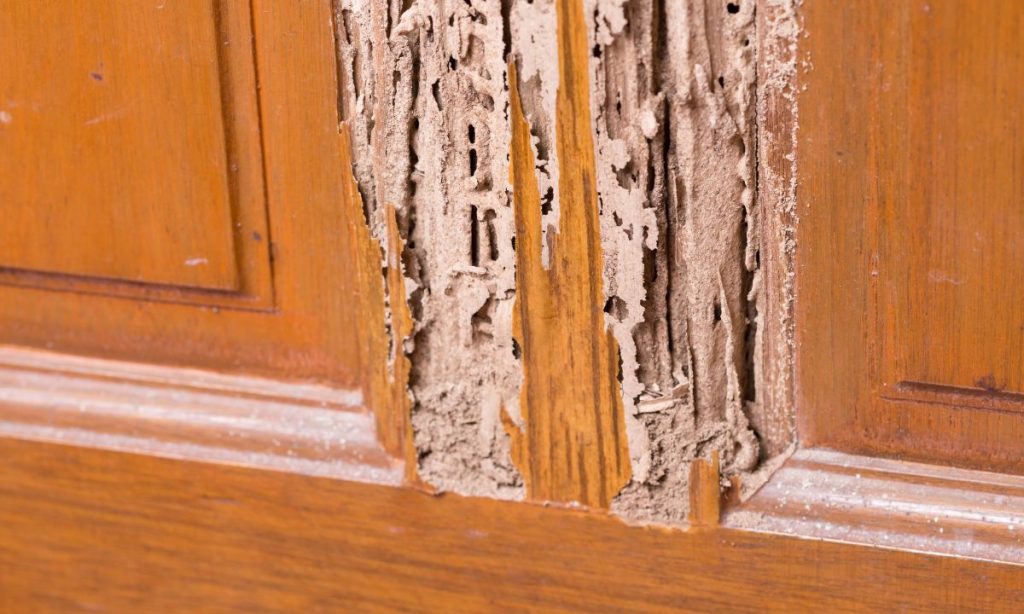
Termites are a significant concern for homeowners across the United States, and Washington state is no exception. These pests can cause substantial damage to structures, leading to costly repairs if not addressed promptly. Understanding termite activity in Washington is crucial for homeowners and property managers seeking to protect their investments. Introduction to Termites Termites are social insects that live in colonies and feed on cellulose-based materials, such as wood. They are known for their ability to cause significant structural damage to buildings. In Washington state, several types of termites are present, including subterranean, dampwood, and drywood termites. Contact ampmexterminators.com for pest control. Types of Termites in Washington State Termite Type Description Common Locations Subterranean Termites These termites live in soil and build mud tubes to reach wood. They are the most destructive type in Washington. Common throughout the state, including Seattle and Spokane. Dampwood Termites Prefer moist, decaying wood. Less likely to damage structures than subterranean termites. Found in damp environments, often near water sources. Drywood Termites Infest dry wood and do not require contact with soil. Rare in Washington, mostly found along the coast. Coastal areas, particularly in warmer regions. Termite Activity in Washington Termite activity is widespread in Washington state, with subterranean termites being the most prevalent. These termites are active throughout the year but tend to swarm during warmer, wetter periods. Understanding when and where termites are most active can help homeowners prepare for potential infestations. When Do Termites Swarm in Washington? Termites typically swarm in Washington during the following times: Signs of Termite Infestation Identifying termite activity early is crucial for minimizing damage. Common signs include: Termite Control Methods Effective termite control involves a combination of prevention strategies and treatment options. Here are some of the most effective methods: Prevention Strategies Treatment Options Cost of Termite Control The cost of termite control can vary significantly depending on the extent of the infestation and the treatment method chosen. Here is a rough estimate of costs: Treatment Method Cost Range Soil Treatment $500-$2,000 Baiting Systems $300-$1,500 Fumigation $1,000-$5,000 FAQs Conclusion Termites in Washington state pose a significant threat to property owners due to their ability to cause extensive damage. Understanding the types of termites present, recognizing signs of infestation, and implementing effective control methods are crucial for protecting homes and businesses. By combining prevention strategies with professional treatment options, homeowners can safeguard their properties against these destructive pests.
How Often Should You Get Pest Control in Seattle & King County? Residential & Commercial Guide
How Often Should You Get Pest Control in Seattle & King County? Residential & Commercial Guide AMPM Exterminators | Seattle & King County, WA | (206) 571 7580 | Serving Residential & Commercial Properties 7 Days a Week If you’ve wondered whether you’re overspending on unnecessary treatments or risking an infestation by waiting too long, you’re not alone. The right pest control frequency for a Seattle bungalow near Ravenna Park is completely different from a restaurant on Aurora Avenue, a warehouse in Kent, or a new construction home in Sammamish. This guide gives you a definitive answer broken down by property type, pest species, and the specific seasonal pressures that make King County different from everywhere else. Why Pest Control Frequency in Seattle & King County Is Different From the Rest of the Country Seattle’s marine climate changes the math on pest control scheduling. Here’s why: King County’s mild, wet winters mean pests that die off in colder climates ants, spiders, rodents remain active year-round in Seattle and its surrounding cities. There is no hard freeze that resets the clock. A carpenter ant colony in a Kirkland crawlspace is foraging in January. Norway rats in a Renton warehouse don’t slow down in December. Odorous house ants in a Bellevue kitchen are active 12 months a year. This means the national standard of “quarterly treatment” frequently under protects Seattle and King County properties and the guidance of “once a year is fine” that works in Phoenix or Minneapolis is genuinely inadequate here. The service frequency recommendations in this guide are calibrated for Western Washington’s actual climate and pest biology, not a national average. Pest Control Frequency for Seattle & King County Homeowners What Determines How Often Your Home Needs Pest Control? Four factors determine the right schedule for any residential property in Seattle or King County: 1. Proximity to Natural Pest Habitat Homes adjacent to greenbelts, forest edges, parks, wetlands, and waterways face continuous pest pressure that properties in open suburban settings do not. A home backing onto the Sammamish greenbelt or adjacent to a Shoreline park has fundamentally different pest exposure than a home in a dense neighborhood with no natural corridors nearby. Forest-adjacent and greenbelt-adjacent properties in King County typically need quarterly service regardless of past pest history. 2. Age and Construction of the Home Homes built before 1990 in King County cities like Kent, Renton, Auburn, and older Seattle neighborhoods have settled foundations, deteriorated sill plates, aging utility penetrations, and construction methods that left wood-to-soil contact. These properties have significantly more pest entry opportunities than newer construction. Older homes require more frequent service to maintain effective perimeter barriers. 3. Previous Pest History Past pest activity is the strongest predictor of future problems in Seattle and King County. If you have had carpenter ants, rodents, or subterranean termites in the last five years, a preventative maintenance program is not optional it is structural protection. The average cost of carpenter ant structural repair in King County far exceeds the cost of years of quarterly pest service. 4. Seasonal Pressure Specific to King County Western Washington has four distinct pest pressure seasons that should drive your service calendar: February–April: Carpenter ants emerge, termite swarmers appear, overwintered queens found new wasp colonies May–July: Ant activity peaks, rodents from greenbelts explore structures, spider populations build August–October: Wasps at peak aggression, rodents seek indoor shelter, spider mating season peaks November–January: Rodents fully indoors, cockroaches and stored product pests active in commercial settings, crawlspace moisture issues accelerate Recommended Pest Control Schedules for Seattle & King County Residential Properties Quarterly Service Every 3 Months Best for: Homes adjacent to greenbelts, parks, forest, or waterways anywhere in King County Properties in Seattle neighborhoods with mature tree canopy (Ravenna, Maple Leaf, Wedgwood, View Ridge) Homes that have had carpenter ants, rodents, or termites in the last five years Homes built before 1990 in Kent, Renton, Auburn, Burien, or older Seattle neighborhoods Properties with crawlspaces that have had moisture issues Any home where pets or children increase the sensitivity of pest activity What quarterly service covers in King County: Each visit reinforces the exterior perimeter barrier, inspects crawlspace and entry points for new activity, treats any emerging seasonal pest pressure before it becomes an infestation, and identifies new structural vulnerabilities. In King County’s climate, the gap between quarterly visits is long enough for new ant colonies to scout and establish but short enough to intercept them before damage begins. Why quarterly is the right investment for most King County homeowners: The cost of a single carpenter ant structural repair opening walls, treating the colony, replacing damaged framing typically runs $1,500 to $4,000 in King County. Annual quarterly service from AMPM Exterminators costs a fraction of a single remediation event. BiMonthly Service Every Other Month Best for: Suburban King County homeowners without immediate greenbelt exposure Homes built after 2000 with no prior pest history Homeowners who have had occasional seasonal ant or spider activity but no structural pest history Properties in newer King County developments in Sammamish, Issaquah, or Maple Valley where greenbelt proximity varies by lot Annual Service Once Per Year Best for: Newer construction in lower risk lots with no pest history Primarily inspection focused identifying whether conditions are changing before a problem develops Condominiums and townhomes where exterior perimeter management is handled at the building level Important note for Seattle & King County: Annual service is genuinely insufficient for most properties in this region. If you are considering annual service to save money, a bi annual inspection is a more appropriate minimum for Western Washington’s year round pest pressure. For Seattle pest control services on a schedule matched to your specific property, neighborhood, and pest history, call AMPM Exterminators at (206) 571 7580. How Often Should Commercial Properties in King County Get Pest Control? Commercial Pest Control Frequency Is Non Negotiable in King County For commercial properties in Seattle and King County, pest control frequency is not a budget decision it is a compliance and liability