
What Happens When a Pest Problem Goes Public?
One roach on the counter. One mouse darting across the break room. One spider dangling above a customer’s table. One photo posted online. For Seattle business owners, that’s all it takes to trigger a wave of negative reviews that no marketing budget can undo.
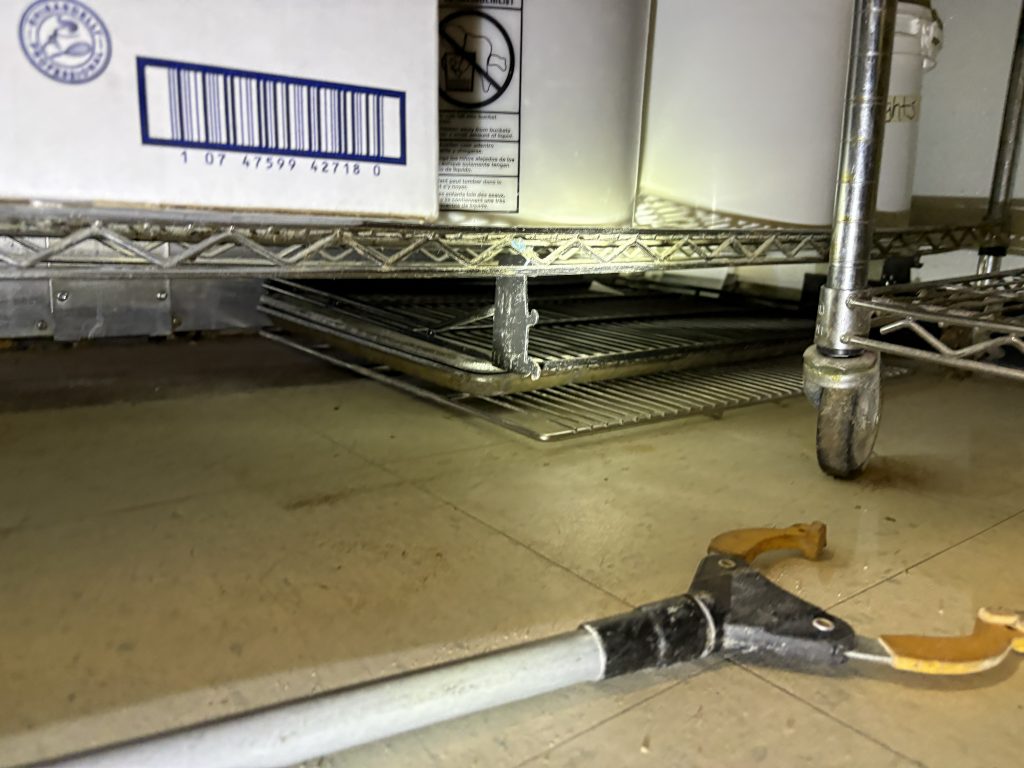
Pest infestations in commercial settings are not just a maintenance issue they are a direct threat to your bottom line, your health compliance record, and the trust your customers place in you every day. Whether you operate a restaurant in Capitol Hill, a warehouse in Kent, an office in Bellevue, or a retail shop in Renton, the question isn’t if pests will try to enter your building it’s whether you have a commercial exterminator in Seattle on your side before they do.
The Real Cost of a Pest Infestation for Seattle Businesses
1. Property and Structural Damage
Rats and mice do not simply occupy space they actively destroy it. Rodents gnaw through electrical wiring, HVAC insulation, drywall, and even load-bearing materials. Left unaddressed, rodent activity inside commercial buildings increases fire risk, triggers expensive emergency repairs, and can force temporary closures that interrupt operations and revenue.
Carpenter ants and termites compound this risk in the Pacific Northwest, quietly weakening wooden structural elements for months before visible signs appear. A professional building structural pest inspection can identify early stage activity that untrained eyes routinely miss.
2. Health Code Violations and Legal Liability
Seattle area businesses in food service, healthcare, childcare, and hospitality face strict Washington State Department of Agriculture and King County health code requirements. Cockroaches, rodents, and stored product insects are all vectors for pathogens including Salmonella, Listeria, and E. coli. A single failed health inspection tied to pest activity can result in fines, mandatory closures, and litigation consequences far exceeding the cost of a proactive commercial pest control contract in Seattle.
3. Online Reputation Damage That Outlasts the Infestation
A pest sighting reported on Google, Yelp, or social media doesn’t disappear when the infestation is resolved. Those reviews remain indexed and visible to prospective customers researching your business. Studies show that more than 90% of consumers read online reviews before visiting a local business. One pest related review in your rating can shift purchase decisions at scale. The reputational cost of reactive pest control is almost always higher than the investment in scheduled commercial pest management services.
Pest Threats Commonly Affecting Commercial Properties in King County
Seattle’s temperate, wet climate creates year round pressure from several pest species that specifically target commercial environments:
Norway rats and roof rats common in restaurants, grocery stores, warehouses, and multitenant office buildings throughout Seattle, Renton, Kirkland, and Redmond. Professional rat extermination in Seattle is essential for any business near waterways, transit corridors, or dense urban blocks.
German cockroaches thrive in commercial kitchens, break rooms, and food storage areas. Highly resistant to amateur treatments and require professional grade cockroach control services using integrated pest management (IPM) protocols.
Carpenter ants and odorous house ants Seattle’s moisture levels make commercial buildings especially vulnerable. Professional ant control addresses both the visible workers and the colonies hidden deep inside wall voids and structural wood.
Hobo spiders, giant house spiders, and black widows all prevalent throughout King County and a common source of customer complaints and liability concerns. Spider extermination services treat both active populations and the conditions that attract them.
Wasps and yellow jackets outdoor dining areas, loading docks, and building entryways across King County see significant pressure from late summer through fall. Timely wasp control and extermination prevents stinging incidents that put staff and customers at risk.
Termites though often overlooked in the Pacific Northwest, termites remain a serious threat to commercial properties with wood framing or crawl space exposure. Termite pest control in Seattle addresses both active infestations and long term prevention.
Stored-product pests weevils, beetles, and moths affect retail food businesses, hospitality operations, and commercial warehouses handling grain, dried goods, or packaged products.
Ants in Seattle Commercial Buildings: A Bigger Problem Than Most Owners Realize
Ant infestations are one of the most underestimated commercial pest problems in the Pacific Northwest. Because individual ants are small and often dismissed as a minor nuisance, many business owners delay treatment allowing colonies to grow to tens of thousands of workers before professional ant extermination is sought.
Carpenter Ants: The Silent Structural Threat
Carpenter ants are the most destructive ant species found in Washington State commercial properties. Unlike termites, they do not eat wood they excavate it to build nesting galleries. Moisture damaged framing, window sills, roof eaves, and wall voids in older Seattle commercial buildings are prime targets. A mature carpenter ant colony can cause significant structural damage over two to three years, and satellite colonies often spread to multiple locations within the same building.
Signs of carpenter ant activity in commercial properties include:
- Coarse sawdust like frass near baseboards, windowsills, or door frames
- Large black ants (up to ¾ inch) visible inside during daytime hours
- Faint rustling sounds inside walls when the building is quiet
- Winged ants emerging from wall voids in spring
Odorous House Ants and Pavement Ants: Food Contamination Risks
Smaller ant species pose a direct food safety risk to Seattle restaurants, grocery stores, commercial kitchens, and any business that handles consumable products. Odorous house ants form massive super colonies with multiple queens, making them exceptionally difficult to eliminate without professional ant control services in King County. Pavement ants routinely enter buildings through foundation cracks and follow grease or sugar trails into food prep and storage areas.
For food service businesses subject to King County health inspections, ant activity near food contact surfaces constitutes a violation. Professional commercial ant control includes colony elimination, entry point sealing, and ongoing monitoring to prevent reinfestation.
Spiders in Seattle Commercial Properties: When Webs Mean More Than a Cleaning Issue
Spider sightings in a business are rarely dangerous in isolation but they are almost always a symptom of a larger pest problem. Spiders follow their prey, which means a visible spider population inside a commercial building typically indicates an underlying infestation of flies, ants, or other insects providing a food source. Addressing spider control in Seattle without treating that root cause leads to recurring activity.
Why Seattle Businesses See Increased Spider Activity in Fall
King County experiences a notable spike in spider intrusions every August through October. As temperatures drop, hobo spiders and giant house spiders actively seek warm shelter and commercial buildings offer ideal conditions. Gaps under doors, torn window screens, utility entry points, and loading dock openings all serve as common access routes.
For customer facing businesses retail stores, restaurants, hotels, and medical offices visible webs, egg sacs, or live spiders in public areas create an immediate negative impression that translates directly into lost business and damaging online reviews.
Black Widow Spiders: A Liability Issue for Commercial Properties
Black widow spiders are present throughout the greater Seattle area and are frequently found in commercial storage areas, shipping and receiving docks, garages, utility rooms, and outdoor equipment storage. Their venom is medically significant, and a bite to an employee or customer on your property creates serious workers’ compensation and liability exposure. If black widow activity is identified anywhere on your commercial property, professional spider extermination should be treated as an urgent priority.
Professional Spider Control for Seattle Businesses
Effective commercial spider control addresses both the spiders themselves and the conditions that attract them. AMPM Exterminators’ commercial spider extermination service includes:
- Interior and exterior web removal and residual treatment
- Identification and sealing of structural entry points
- Assessment and treatment of the underlying insect populations sustaining spider activity
- Scheduled monitoring to prevent seasonal reentry
What Effective Commercial Pest Management Actually Looks Like
Scheduled Inspections, Not Emergency Calls
The most cost effective pest control strategy for any business is a scheduled commercial pest management plan rather than reactive extermination after an infestation is already visible. AMPM Exterminators provides monthly and quarterly commercial service contracts throughout Seattle and King County, ensuring that entry points, harborage areas, and early pest activity are identified and addressed before they escalate.
Integrated Pest Management for Commercial Settings
Modern commercial exterminator services go beyond spraying. Integrated pest management (IPM) combines physical exclusion (sealing gaps, door sweeps, drain covers), sanitation consulting, targeted treatments, and monitoring to reduce pest pressure without over-reliance on chemical applications an important consideration for food service businesses, medical offices, and properties seeking eco-responsible pest solutions.
Structural Pest Inspections for Commercial Buildings
Before signing a commercial lease, purchasing a property, or renewing an occupancy certificate, a building structural pest inspection documents existing or previous pest activity, moisture damage, and entry point vulnerabilities. This is a critical risk management tool for commercial property owners and business tenants in Seattle, Bellevue, Kent, Kirkland, and Renton.
Employee Training and Facility Protocols
Professional commercial pest control providers don’t just treat they advise. Staff who understand how to identify early warning signs (droppings, gnaw marks, frass, shed skins, grease trails, webs, and ant trails) and report them promptly can stop a minor issue from becoming a full infestation. Proper waste management, delivery inspection procedures, and storage protocols are all part of a comprehensive pest prevention program.
Industries Served by AMPM Exterminators’ Commercial Pest Control Programs
- Restaurants and food service facilities health code compliance, grease trap areas, ant and cockroach management
- Warehouses and distribution centers rodent exclusion, stored-product pest control, spider and perimeter monitoring
- Office buildings and multi-tenant properties discreet scheduled service, common area ant and spider treatment
- Retail stores stockroom inspections, entry point sealing, customer-facing area protection
- Hotels and hospitality bed bug prevention, rodent control, kitchen and laundry facility treatment
- Healthcare and medical offices low-impact IPM solutions compliant with sanitation standards
- Property management companies portfolio wide commercial pest management contracts across King County
Frequently Asked Questions: Commercial Pest Control in Seattle
How often should a commercial property be inspected for pests? Most commercial properties benefit from monthly or quarterly inspections depending on industry type, building age, and proximity to known pest corridors. Food service businesses typically require monthly service to maintain King County health code compliance.
Are carpenter ants dangerous to my commercial building? Yes. Carpenter ants are one of the leading causes of structural wood damage in Washington State commercial properties. Their excavation of nesting galleries inside framing, sills, and wall voids causes progressive structural damage that worsens significantly if left untreated. A building pest inspection can confirm activity before it becomes costly.
When is spider season in Seattle, and should businesses prepare in advance? Spider activity peaks in King County from August through October. Scheduling a commercial spider control service in late summer before the seasonal surge is far more effective than responding reactively once spiders are already visible inside your building.
What is the difference between a one time extermination and a commercial pest management contract? A one time treatment addresses an active infestation. A commercial pest management contract provides scheduled monitoring, preventive treatments, and documentation reducing the likelihood of future infestations and demonstrating due diligence to health inspectors and insurers.
Does commercial pest control require closing the business? In most cases, no. AMPM Exterminators schedules commercial treatments during off hours or low traffic periods and uses products and methods appropriate for occupied commercial spaces.
AMPM Exterminators Seattle’s trusted commercial exterminator serving King County businesses with professional rodent control, ant extermination, spider control, cockroach extermination, wasp removal, and building structural pest inspections. Call (206) 571 7580 available 7 days a week.
Take Action Now
Don’t wait for pests to damage your property and reputation. Contact a professional pest control service today to safeguard your business. Remember, proactive pest management is key to maintaining a safe and reputable business environment.