
Warehouse Pest Control in Kent, WA | Rodent & Bird Exterminators for Distribution Centers
Kent Warehouse Pest Control: Audit Proof Protection for the Green River Valley In Kent’s logistics heartland, a single pest is not a nuisance it’s a business critical event. Rodent contamination can trigger a six figure recall. Bird droppings can halt shipping operations. A failed FDA or AIB audit can end a major client contract. AMPM Exterminators provides industrial grade pest management engineered for the scale, complexity, and zero tolerance compliance standards of Kent’s warehouse and distribution sector. The 3 Point Failure Analysis of Generic Pest Control for Warehouses Our Industrial Protocol: The Facility Vulnerability Audit & Defense System Phase 1: The Forensic Risk AssessmentBefore any treatment, we perform a non-disruptive audit. Our specialists, certified in audit compliance standards, analyze: Phase 2: The Targeted Elimination & FortificationWe implement military-grade solutions tailored to warehouse environments: Phase 3: The Compliance Dashboard & ReportingYou receive a Digital Command Center, not just a paper report. This includes: Kent Warehouse Case Study: From Audit Failure to “Superior” Rating Service Tiers for Kent’s Industrial Scale Protect Your Kent Warehouse Operation TodayYour inventory and contracts are too valuable to leave to chance.Call our Industrial Division: (206) 571 7580 Serving Kent’s Industrial Core: Green River Valley, West Valley Highway, SR 167 corridor, and all logistics parks.
Complete Guide to Little Black Ant and Sugar Ant Removal in King County Exterminators Explain Why
Permanently Remove Sugar Ants in King County Homes & Warehouses Expert Guide Even after spraying, sugar ants and little black ants keep coming back. This isn’t just a nuisance it’s a sign of an active colony that hasn’t been eliminated. What you’re seeing in your kitchen, breakroom, or warehouse aisles are the workers. The real problem the queen and the colony remains hidden in wall voids, baseboards, or even under concrete slabs. In King County, both residential homes and high use commercial buildings like warehouses, food prep spaces, healthcare offices, and schools deal with repeated ant invasions. These ants are tiny, resourceful, and difficult to kill with DIY methods. This guide explains how pest professionals isolate, bait, and exterminate entire colonies especially in properties that can’t afford recurring infestations. Understanding How Ant Colonies Operate Inside Buildings Little black ants and odorous house ants (commonly mislabeled as sugar ants) are social insects. Each colony includes thousands of individuals with designated roles, all working to protect the queen and expand territory. When you kill foragers, the colony just sends more. If you spray repellent products, the colony can split creating multiple queens and spreading the problem deeper into walls or neighboring structures. Why DIY Ant Control Often Fails in Homes and Facilities In a warehouse, breakroom, or school kitchen, misapplied pesticides can even create compliance risks especially in food storage or child-sensitive areas. Identifying Little Black Ants and Sugar Ants in King County Little black ants: Extremely small (1.5–2 mm), shiny black, and often trail along baseboards or counters. They favor warm wall voids and moisture sources. Sugar ants: Common name for odorous house ants. These pests are drawn to sweets and water and emit a rotten coconut smell when crushed. How Professional Exterminators Remove Ant Colonies Licensed pest control professionals begin with a comprehensive inspection of the building: Professionals use slow-acting, non-repellent baits that worker ants carry back to the queen, eliminating the colony without causing budding or resistance. Sector-Specific Ant Control Solutions in King County Best Practices for Preventing Ants After Extermination Common Questions from Property Owners Do I need recurring service to keep ants out? For commercial properties yes. Restaurants, warehouses, and apartments benefit from regular service to prevent reinfestation. Are ants dangerous? Not directly, but they can contaminate food, surfaces, and medical spaces especially in healthcare and childcare facilities. Can ants damage the building? Little black and sugar ants don’t damage structures, but their presence can indicate leaks or moisture that can lead to other issues. Where Ant Infestations Are Most Common in King County Why Little Black Ants Keep Returning in King County Proven Fix The reason you still have ants, even after spraying, is simple: the colony is still active. These ants are persistent, and removing them means going beyond surface-level solutions. From homes to warehouses, effective ant control depends on understanding ant behavior, structural vulnerabilities, and precise treatment protocols. Professional exterminators in King County know how to break the cycle for good. Where Ant Infestations Are Most Common
High Risk Properties in King County: From Backyards to Business Districts
Ground hornets don’t discriminate between residential and commercial properties, but the risks they pose are uniquely magnified in each setting. Any area with exposed, loose soil is a potential nesting site. For Homeowners & Residential Properties:Your family’s sanctuary can quickly become a danger zone. Prime nesting spots include: For Businesses & Commercial Properties:Here, a hornet infestation escalates from a nuisance to a significant liability and operational risk. For Public Facing Businesses:For these establishments, a single sting can directly impact customer perception and your bottom line. This broad range of vulnerable properties underscores why a one size fits all approach to hornet control fails. Effective eradication requires a strategy tailored to the specific risks and layout of your home or business. Identifying and locating a ground hornet’s nest requires careful observation and adherence to safety protocols. By understanding their behavior and nesting habits, you can take appropriate steps to address the issue. If you find yourself asking, “How do I find a ground hornet’s nest?” remember to prioritize safety and consider seeking professional assistance to handle the situation effectively.
Black Ant Control in King County, WA Species Identification, Infestation Signs, Treatment & Pricing Guide
Why Black Ant Problems in King County Are Different From the Rest of Washington State King County has one of the highest residential black ant infestation rates in Washington State because the county’s combination of dense residential development, mature landscaping, consistent moisture from 150+ annual rain days, and mild winters that allow year round foraging creates ideal conditions for the three species responsible for nearly all indoor ant calls: the odorous house ant, the little black ant, and the pavement ant. Unlike drier Eastern Washington counties where ant activity drops sharply in winter, King County’s mild, wet climate keeps black ant colonies active at reduced levels even in January and February meaning infestations that start in spring have nine to ten months per year to grow before homeowners typically notice the full scale of the problem. The term “black ant” covers several distinct species that behave very differently, respond to different treatment strategies, and pose different risks to your property. Treating the wrong species with the wrong product the outcome of most hardware store DIY attempts either fails entirely or scatters a colony into multiple satellite nests, compounding the problem. Accurate species identification before any treatment is applied is the single most important factor in resolving a King County ant infestation on the first visit. The Three Black Ant Species Most Common in King County Homes The vast majority of “black ant” calls in King County involve one of three species: the odorous house ant (Tapinoma sessile), identifiable by its rotten-coconut smell when crushed; the little black ant (Monomorium minimum), the smallest common species at just 1/16 inch; or the pavement ant (Tetramorium caespitum), which typically nests under concrete but forages indoors. Each requires a different treatment approach to eliminate successfully. Odorous House Ant Tapinoma sessile The most frequently treated ant species in King County. Workers are 1/16–⅛ inch, uniformly dark brown to black. The definitive ID test: crush one between your fingers it produces a sharp rotten-coconut or blue-cheese odor. Forms long foraging trails from wall voids, under floors, and behind appliances to food and water. Colonies can contain 10,000–100,000 workers across dozens of satellite nests. Thrives in the moisture-rich wall voids and insulation common in King County homes. Most common indoors Little Black Ant Monomorium minimum Extremely small 1/16 inch, roughly half the size of an odorous house ant and solid jet black. No odor when crushed. Nests in wall voids, decaying wood, masonry cracks, and behind outlet boxes. Forages to kitchens and pantries for greasy and sweet foods. Colonies are smaller than odorous house ants (2,000 workers typically) but multiple colonies often share overlapping foraging territory in the same structure. Common in walls & woodwork Pavement Ant Tetramorium caespitum Slightly larger than the above at ⅛ inch, dark brown to black with parallel grooves (striations) on the head and thorax visible under magnification. Primary nests under concrete slabs, driveways, sidewalk expansion joints, and foundation footings. Enters structures through expansion joints, utility penetrations, and foundation cracks. Forages broadly for both sweet and greasy foods. Nest-site choice means colonies survive standard perimeter sprays that do not reach sub slab nesting chambers. Nests under concrete & slabs Why misidentification is costly: Odorous house ants require non-repellent baiting because their large multiqueen, multisatellite colony structure means any repellent product simply reroutes foragers to a different trail. Pavement ants require sub slab treatment that surface sprays cannot reach. Little black ants respond to gel bait placed precisely at wall-void entry points. Applying the wrong product to the wrong species the default outcome of consumer sprays either fails immediately or causes the colony to fragment into more distributed satellites, making subsequent elimination harder and more expensive. Why King County Has a Black Ant Problem 10 Months Out of 12 In most of the United States, ant activity peaks in warm months and drops sharply when temperatures fall below 50°F. King County’s climate disrupts this pattern. Seattle’s average January low is 36°F cold enough to reduce foraging, but rarely cold enough to drive colonies into full winter dormancy. The result is a year round pest pressure cycle that other regions do not experience at the same intensity. Winter (Dec–Feb) Reduced but not dormant. Colonies consolidate near heat sources furnaces, hot water lines, kitchen appliances. Low level indoor foraging continues year round in heated structures. Treatments applied in winter reach workers actively moving to warmth. Spring (Mar–May) Peak expansion period. Colonies produce new queens and satellite nests. Worker population grows rapidly. This is when homeowners first notice trails but the colony has typically been growing since September. Spring calls represent late-stage detection, not early. Summer (Jun–Aug) Full foraging activity. Colonies at or near peak worker populations. Multiple trails active simultaneously. Odorous house ant reproductive swarms occur June–August. Untreated colonies from the previous year produce visible swarmers indoors. Fall (Sep–Nov) Colonies seek indoor warmth as outdoor temperatures drop. This is the second-highest infestation period. Ants found indoors in October–November are establishing overwintering positions in wall voids and sub-floor spaces, not simply foraging. The practical implication is that there is no “off season” for black ant control in King County. A colony that is not fully eliminated queen, satellite nests, and all will resume full activity in spring regardless of when a partial treatment was applied. How to Know You Have a Black Ant Infestation and How Serious It Is The five warning signs that indicate an established black ant colony inside your King County home not just occasional foragers from outside are: persistent ant trails that return within 24–48 hours of cleaning; ants appearing in multiple unconnected rooms simultaneously; ants foraging at night as well as during the day; a rotten coconut odor near baseboards or behind outlet plates; and ants emerging directly from wall outlets, baseboard gaps, or plumbing penetrations rather than entering through doors or windows. Light activity vs. established infestation the distinction that determines treatment Indicator Likely outdoor foragers Established indoor colony Trail returns after cleaning 24–72 hours or not at all Within
Tiny Invaders, Big Problem: Expert Little Black Ant Control for Seattle and the Eastside
If you’ve spotted a trail of tiny, dark insects marching through your kitchen, you’re likely dealing with the most common nuisance pest in the region: little black sugar ants. While small, these pests can quickly become a major annoyance, contaminating food and frustrating homeowners across King County. Why these ants are so prevalent in areas like Bellevue, Issaquah, Kirkland, Redmond, Sammamish, and Mercer Island, and when it’s time to call professional ants exterminators for a permanent solution. Why Little Black Ants Love Seattle Especially the Eastside The climate and environment of the Greater Seattle area are ideal for these pests. They seek moisture and shelter, which they find in our lush gardens, under decks, and within the foundations of homes. The modern, well-landscaped properties on the Eastside of Seattle provide perfect harborage sites. They are called “sugar ants” for a reason they have a powerful craving for sweets and will tirelessly exploit any available food source in your pantry. Why DIY Ant Control Often Fails Store bought sprays and baits might kill the worker ants you see, but they rarely reach the heart of the problem: the hidden colony and its queen. This often results in a temporary reprieve followed by a full-blown re-infestation. Effective ants extermination requires strategic expertise to locate nests and eliminate the entire population at its source. Our Fast, Targeted Ant Extermination Service When you need reliable little black ants pest control service, our local Seattle exterminators provide a comprehensive solution. We don’t just treat the symptom; we solve the problem. Our process includes: Inspection: A thorough examination to identify ant trails, entry points, and nest locations. Customized Treatment: Using targeted baits and barriers that are carried back to the colony by worker ants, ensuring the queen is eliminated. Prevention Advice: Expert tips to make your property less attractive to ants in the future, protecting your investment. Serving Seattle and All Eastside Cities We are your local specialists for little black ants exterminators services, proudly serving communities throughout the region. If you’re in Bellevue, Redmond, Sammamish, Kirkland, Issaquah, Mercer Island, or anywhere in King County, Washington, we have the local knowledge to provide fast and effective ant control removal. Don’t let a small ant problem become a giant headache. For fast, reliable ant control that lasts, the solution is clear. Looking for related services? Commercial ant control for warehouses in Kent Ant control for logistics facilities in Tukwila Residential sugar ant problems in Sammamish
Pacific Northwest Spider Identification & Control: What Seattle and King County Homeowners Actually Need to Know
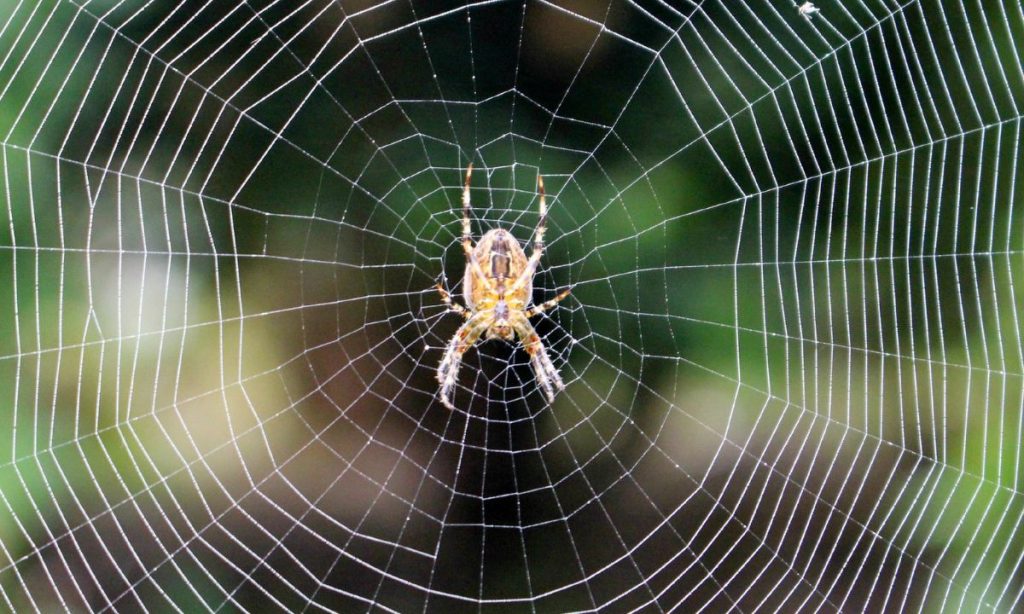
Why Washington State Has More Spider Activity Than Most of the Country Washington State’s temperate maritime climate mild winters, wet springs, long humid summers creates one of the most productive spider habitats in North America. Unlike northern states where hard freezes suppress arthropod populations for months, King County and the greater Puget Sound region sustains spider activity twelve months per year. Ambient insect populations that would collapse under a hard winter remain viable through Seattle’s mild, wet winters, providing spider food sources that keep indoor populations active in every season. The result is that Pacific Northwest homeowners encounter spiders indoors at a frequency that surprises people relocating from colder climates. What appears to be a seasonal problem is, in western Washington, a structural one and professional spider control in Seattle and King County addresses both the spiders and the conditions that make a building continuously hospitable to them. This guide covers every spider species you are likely to encounter in a western Washington home or business, what the science actually says about their risk, how to tell them apart, when to treat independently, and when to call a licensed spider exterminator. Spider Season in the Pacific Northwest: When and Why Activity Spikes Spider activity in western Washington follows a predictable pattern that every homeowner in Seattle, Renton, Bellevue, Kirkland, and King County’s rural Eastside should understand. Spring (March–May): Egg sacs laid the previous fall begin hatching. Spiderling populations disperse throughout the structure from overwintering harborage. Activity is distributed across the building rather than concentrated in visible zones. Summer (June–August): Populations mature and establish feeding territories. Outdoor webs become prominent in garden areas, eaves, and entry points. Interior populations build in crawlspaces, basements, and wall voids where prey insects are concentrated. Fall (August–October): The most visible and high contact season for most western Washington homeowners. Adult male giant house spiders and hobo spiders leave their established webs to wander in search of mates, entering living spaces through gaps at an elevated rate. This is the season when spider sightings in kitchens, bathrooms, and bedrooms peak sharply. The same temperature differential that draws rodents into structures in fall draws spiders warmth, shelter, and abundant indoor prey insects. Winter (November–February): Indoor populations persist wherever prey is available. Crawlspaces, garages, and utility areas with insect activity remain active spider zones year round. Outdoor populations reduce but do not disappear in King County’s mild winters. Understanding this cycle is important for timing spider extermination treatment in King County. Treating in late summer before the fall wandering peak is significantly more effective than treating reactively once spiders are already visible throughout living areas. Complete Pacific Northwest Spider Identification Guide Giant House Spider Eratigena atrica What it looks like: The largest house entering spider in Washington State, with a leg span frequently exceeding three inches and occasionally reaching four inches in mature males. Body color is warm brown to tan with faint lighter chevron markings across the abdomen. The most diagnostic feature at a distance is movement giant house spiders are exceptionally fast over short distances, which is the primary reason encounters generate alarm disproportionate to the species’ actual risk. Where it lives: Giant house spiders construct flat funnel webs in undisturbed low areas behind stored boxes, under basement stairs, inside crawlspace framing, in garage corners, and along foundation walls. The funnel narrows into a retreat tube where the spider rests. Males abandon their webs in fall to wander in search of females, which is when the species is most commonly encountered in open living areas. Medical significance: None. Giant house spiders are not aggressive and do not bite in ordinary circumstances. Their venom produces at most localized irritation in the rare event of a bite. The species’ imposing size is the source of most concern the risk itself is negligible. When it becomes a problem: When wandering males repeatedly enter living spaces, when established webs accumulate in crawlspaces and basements in large numbers, or when the presence of giant house spiders in a commercial or hospitality setting creates customer facing concerns. The spider’s presence at high density also indicates a substantial underlying insect population providing the food source sustaining them a signal that broader pest control in Seattle and King County may be warranted. Hobo Spider Eratigena agrestis What it looks like: Medium sized with a leg span of one to two inches. Brown body with a distinctive herringbone or chevron pattern across the dorsal abdomen a pattern that distinguishes it from the giant house spider when the specimen is stationary and can be examined closely. Hobo spiders also construct flat funnel webs, which makes visual distinction from the giant house spider at a distance difficult for non specialists. Where it lives: Basements, crawlspaces, window wells, wood piles, and undisturbed low areas throughout western Washington. The hobo spider is particularly abundant in older Seattle neighborhoods with unfinished basements and wood frame crawlspaces, and in rural King County properties where outbuildings and debris piles provide abundant harborage. The scientific record on venom: This requires careful accuracy. Earlier research attributed necrotic skin lesions to hobo spider bites, and the species was listed as medically significant by the CDC. Subsequent research including controlled studies that could not replicate necrotic effects revised this classification significantly downward. The CDC no longer lists hobo spiders as a species of medical concern, and necrotic wounds previously attributed to hobo spider bites are now understood to more commonly result from bacterial infections, brown recluse bites (a species not established in Washington State), or other causes. A hobo spider bite may produce localized pain and redness comparable to a bee sting. It does not produce the tissue destruction previously attributed to it in popular accounts. That said, positive identification of a hobo spider versus a giant house spider requires close examination, and any unidentified medium to large brown funnel web spider encountered in a Washington State crawlspace or basement warrants cautious handling. When it becomes a problem: Dense populations in crawlspaces, basements, and ground
Crawl Space Cleaning & Rodent Insulation Replacement King County WA | AMPM Exterminators
Crawl Space Cleaning & Rodent Insulation Replacement in King County, WA Rodent activity in a crawl space doesn’t end when the rats are gone. The insulation they nested in, urinated on, and tore apart remains trapping odors, harboring pathogens, reducing your home’s energy efficiency, and attracting new infestations. In King County’s damp climate, damaged crawl space insulation deteriorates faster than anywhere else in Western Washington. AMPM Exterminators provides complete crawl space cleaning and insulation replacement for homes across King County from the initial rodent cleanup through sanitization, vapor barrier installation, and new insulation. One company, one visit, one complete solution. Why Crawl Space Insulation Fails Faster in King County King County averages over 38 inches of rainfall annually. Combined with the region’s clay heavy soils that hold ground moisture, most crawl spaces in homes built before 2000 deal with persistent humidity that accelerates insulation breakdown even without rodent involvement. Add Norway rats, roof rats, or mice to the equation and the damage compounds rapidly: Rats pull fiberglass batts down from joists to build nests, leaving large sections of the subfloor uninsulated Urine soaks through insulation to the paper facing and subfloor, causing wood rot and persistent ammonia odor Feces accumulate and dry, becoming airborne particulate that moves through floor gaps into living spaces Rodent travel paths compress and mat insulation, eliminating its R value in those areas Moisture from rodent activity and damaged vapor barriers accelerates mold growth in insulation and on joists King County homes in Renton, Auburn, Kent, Federal Way, and older Bellevue neighborhoods are most commonly affected due to crawl space construction standards of the 1960s–1980s. Homes with minimal ventilation and no vapor barrier are highest risk. Signs Your Crawl Space Insulation Needs to Be Replaced You don’t need to enter the crawl space yourself to recognize these warning signs: Persistent musty or ammonia odor coming through floor vents or registers indicates rodent urine saturation in insulation Cold floors in winter despite heating insulation has been pulled down or compressed below effective R value Higher than normal heating bills compromised insulation forces the HVAC system to work harder Scratching or rustling sounds beneath floors active rodent use of remaining insulation as nesting material Visible droppings near floor vents or baseboards indicates crawl space activity migrating upward Previous rodent treatment with no insulation follow up contaminated insulation is a reinfestation attractor Home built before 1990 with no vapor barrier moisture damage to insulation is almost guaranteed in King County Our Crawl Space Cleaning & Insulation Replacement Process We handle every step in sequence rodent elimination through finished insulation so nothing is left half done. Step 1: Crawl space inspection and rodent assessment Before any cleaning begins, we conduct a full crawl space inspection to confirm active vs. resolved rodent activity, identify entry points, assess insulation condition, evaluate the vapor barrier, and check for mold on joists or subfloor. If active rodents are present, we address the infestation before proceeding cleaning while rodents are still active is counterproductive and costly. Step 2: Rodent exclusion and entry point sealing We seal the entry points that allowed rodents access foundation vents, pipe penetrations, utility gaps, and crawl space access doors. Crawl space exclusion is completed before insulation installation, so new insulation is protected from the start. Step 3: Contaminated insulation removal All soiled, compressed, or rodent damaged insulation is bagged and removed. Our technicians use full PPE including respirators rated for hantavirus exposure during this phase. We do not leave partially damaged insulation partial replacement creates cold spots and leaves contamination in place. Step 4: Sanitization and deodorizing After insulation removal, we treat all exposed surfaces joists, subfloor, foundation walls with an EPA registered disinfectant effective against rodent-borne pathogens including hantavirus, leptospirosis, and salmonella. Odor neutralizer is applied to eliminate ammonia compounds that attract new rodents. This step is what separates a complete crawl space remediation from a simple insulation swap. Step 5: Vapor barrier installation or replacement A new 6 mil polyethylene vapor barrier is installed across the crawl space floor, sealed at seams and taped to foundation walls. In King County’s moisture environment, a properly installed vapor barrier is the single most effective measure against moisture driven insulation degradation and mold growth on structural components. Step 6: New insulation installation We install new insulation appropriate to your crawl space configuration faced fiberglass batts between floor joists for standard crawl spaces, or blown in options where access is restricted. We match or improve the existing R value rating (R-19 to R-38 depending on the home’s energy performance targets). Crawl Space Insulation Options for King County Homes Not all insulation performs equally in Western Washington’s wet climate. Here’s how the most common options compare for crawl space applications: Type R Value per inch Moisture resistance Best for Notes Faced fiberglass batts R-3.1–3.4 Moderate Standard joist bays, replacement installs Most common in KC homes; affordable; vapor facing must face up (toward subfloor) Unfaced fiberglass batts R-3.1–3.4 Low Interior walls only Not recommended for crawl spaces without vapor barrier below Blown-in cellulose R-3.2–3.8 Low (absorbs moisture) Tight spaces, retrofit applications Not ideal for crawl spaces in high humidity environments like King County Rigid foam board R-3.8–6.5 High Foundation walls, encapsulated crawl spaces Best moisture resistance; higher cost; ideal for encapsulation projects Spray foam (closed-cell) R-6.0–7.0 Very high Air sealing + insulation combined Most effective for sealing gaps and insulating simultaneously; highest cost AMPM recommends faced fiberglass batts for standard replacement projects and rigid foam or closed cell spray foam for homes with persistent moisture issues or encapsulation goals. We assess each crawl space individually and specify the right product before work begins. Health Risks of Rodent Contaminated Crawl Space Insulation Leaving rodent contaminated insulation in place is not just an odor problem it is a documented health risk that worsens over time as material dries and becomes airborne. Hantavirus pulmonary syndrome transmitted through inhalation of dried rodent urine, feces, or nesting material; most commonly associated with deer mice but documented in other rodent species in Washington State Leptospirosis bacterial
Seattle Termite Damage Repair Services
A termite infestation doesn’t just end when the pests are gone the real problem is the damage left behind. In Seattle, where subterranean and dampwood termites are common, structural wood can be severely weakened before homeowners even realize there’s an infestation. Our team doesn’t just exterminate termites we also repair and restore your home so it’s safe, strong, and protected from future infestations. Why Termite Damage Is Dangerous (Related: Seattle Dampwood Termite Treatments where water damage and termites often go hand in hand.) Signs You Need Termite Damage Repair (See also: Seattle Termite Inspections catching infestations early reduces costly repairs.) Our Seattle Termite Damage Repair Process (Related: Carpenter Ant Extermination in Seattle another wood-destroying pest that can worsen structural issues.) Protecting Your Seattle Home After Termites Once repairs are complete, we provide guidance on long-term prevention sealing entry points, improving drainage, and scheduling inspections. A repaired home is only safe if future infestations are prevented. (Explore: Seattle Termite Exterminators full protection against all types of termites.)
King County’s Best Kept Secret: Eco-Friendly Pest Control in King County That Actually Works
When it comes to eco-friendly pest control in King County, you want a solution that’s not only safe for your family, pets, and the environment but also effective in eliminating pests from your home or business. AMPM Exterminator, offers environmentally safe pest control methods designed to protect your property without compromising on results. Whether you’re battling rodents in Seattle, termites in Bellevue, or ants in Kent, we have the expertise to provide the right solution. Why Eco-Friendly Pest Control Matters in King County King County residents and businesses deserve pest control that is both safe and effective. With the rising concern about environmental impact and the health risks associated with traditional pest control methods, many people in King County are turning to eco-friendly pest control solutions. But what exactly does eco-friendly pest control mean? Eco-friendly pest control uses natural, non-toxic methods to eliminate pests, focusing on prevention and long-term solutions. This approach ensures that while pests are removed, the surrounding environment is not harmed, and the safety of your family, pets, and community is prioritized. The Benefits of Choosing Eco-Friendly Pest Control in King County How We Provide Eco-Friendly Pest Control in King County Our eco-friendly pest control experts in King County are committed to delivering safe, effective treatments that make a real difference. Here’s how we do it: Eco-Friendly Pest Control Services in King County Cities From Seattle to Bellevue, Kent, and Redmond, we provide top-tier eco-friendly pest control services throughout King County, WA. Here’s how we help homeowners and businesses in some of the most popular cities in the region: Why Choose Us for Eco-Friendly Pest Control in King County? Eco-Friendly Pest Control for Businesses in King County It’s not just homes that benefit from our eco-friendly pest control solutions—businesses in King County can also rely on us to keep their spaces pest-free. Whether you run a restaurant in Bellevue, a retail store in Seattle, or an office in Redmond, pests can affect your reputation and operations. Our eco-friendly pest control services are designed to remove pests discreetly, efficiently, and without disrupting your business. Contact Us for Eco-Friendly Pest Control in King County If you’re looking for eco-friendly pest control in King County, look no further. [Your Company Name] offers reliable, sustainable pest control solutions for homes and businesses across the region. Our experienced exterminators are ready to provide you with a customized treatment plan that’s both safe and effective. Call us today at 206 571 7580 or contact us online to schedule your eco-friendly pest control service in King County, WA. Choosing eco-friendly pest control in King County is an investment in both your health and the environment. With natural, safe solutions that are proven to work, you can protect your home or business from pests while keeping the ecosystem intact. Let AMPM Exterminator help you reclaim your space with effective, eco-friendly pest control methods.
Will Diatomaceous Earth Kill Ants? How Effective Is This Natural Ant Control Method?
Ants are one of the most persistent pests in King County and across the Seattle area and every spring, homeowners reach for natural remedies before calling a professional. Diatomaceous earth (DE) is one of the most popular options, and for good reason: it is non toxic, inexpensive, and widely available. But does it actually work, and is it enough to protect your home? How diatomaceous earth kills ants, which species it affects, how to apply it correctly, and critically when it falls short of eliminating an infestation entirely. If you are already dealing with a recurring ant problem in your home, our Seattle ant control experts at AMPM Exterminators are available for a free inspection across King County. How Does Diatomaceous Earth Kill Ants? Diatomaceous earth is a chalk like powder made from the fossilized remains of tiny aquatic organisms called diatoms single celled algae with hard, silica based shells. When ants walk through DE, the microscopic particles cling to their exoskeletons. The sharp, jagged edges scrape through the ant’s outer protective layer its cuticle removing the oils and fats that protect it from moisture loss. Once that barrier is compromised, the ant dehydrates and dies. Unlike chemical insecticides, DE works entirely through a mechanical process, not a chemical one. This means ants cannot develop resistance to it the way they can build immunity to poisons or synthetic repellents. That is one of DE’s most significant advantages for ongoing prevention. The typical kill time is 24 to 48 hours after an ant makes sufficient contact with the powder, though this depends on the amount of DE the ant contacts and the humidity of the environment. Which Ant Species Can Diatomaceous Earth Affect? King County homeowners encounter four primary ant species, each requiring a different treatment approach. Diatomaceous earth can affect all of them to varying degrees but not equally. Odorous house ants (sometimes called sugar ants or little black ants) are the most common indoor ant in Seattle. They emerge every spring when soil temperatures climb above 50°F, typically from March through June in King County. Because these ants forage heavily along visible trails at ground level, DE can intercept a meaningful portion of their workers. However, their colonies often have multiple queens and satellite nests, making complete elimination with DE alone unlikely. Carpenter ants are the largest ant species in the Greater Seattle area and are classified as Wood Destroying Insects (WDI) under Washington State law. They are most active from spring through early fall, with winged reproductive swarmers emerging indoors from late April through June. DE can kill individual carpenter ants on contact but is highly unlikely to reach the satellite nests tucked inside wall voids, or the parent nest which is almost always located outside in a moist tree, stump, or log. If you have a carpenter ant problem, do not rely on DE. Learn more about our carpenter ant treatment services and what structural damage left untreated can cost Seattle homeowners. Moisture ants thrive in the damp Pacific Northwest climate and typically nest in wood that has already been softened by water damage. Their presence often signals an underlying moisture issue inside your walls, crawlspace, or foundation. DE may slow surface activity, but it will not address the root cause. For moisture ant problems, a professional crawlspace inspection is the right first step. Pavement ants build nests near driveways, sidewalks, and concrete foundations. They are among the most susceptible ant species to DE because of their surface level activity, and a perimeter application around your foundation can meaningfully reduce their presence. How to Apply Diatomaceous Earth for Ant Control Always use food grade diatomaceous earth never pool grade. Pool grade DE is heat treated and contains up to 60% crystalline silica, making it toxic when inhaled. Food grade DE contains less than 1% crystalline silica and is the only type safe for pest control inside or around your home. Before applying, put on gloves and a dust mask. Even food grade DE can irritate lungs and skin during application, though it is safe once settled. Effective indoor application locations: Effective outdoor application locations: Apply a thin, even layer more is not better. Heavy piles are less effective than a fine, consistent dusting. Reapply any time the treated area becomes wet, vacuumed, or disturbed. Outdoors in King County’s rainy season, this may mean reapplying after every significant rainfall. Why Diatomaceous Earth Often Fails to Eliminate Entire Colonies This is the most important section for any Seattle homeowner relying on DE as their primary ant control strategy. Diatomaceous earth kills the ants that walk through it. It does not eliminate the colony. Here is why that distinction matters: The queen never contacts DE. The queen remains deep inside the nest and never forages for food. She never touches surface applied powder. As long as she survives, she continues producing new workers. A single ant queen can lay hundreds of eggs per day. Argentine ant colonies increasingly common in King County often have multiple queens, making surface only treatments even less effective. Worker ants can carry trace amounts back to the colony, but not in quantities sufficient to kill a protected queen or reach nesting sites deep inside walls or underground. Hidden nesting sites are out of reach. Carpenter ant satellite colonies tucked inside wall voids, rim joists, and window frames are simply not accessible to surface applied DE. The parent colony located outside in trees or stumps is completely unaffected. Satellite colonies multiply the problem. A single parent nest can support multiple satellite colonies inside your home. Treating one visible trail addresses only a fraction of the total infestation. Moisture reduces effectiveness immediately. Seattle’s frequent rain and damp indoor environments can neutralize outdoor DE applications within hours, and high indoor humidity especially in crawlspaces significantly reduces its kill rate. DE is most appropriate for light, localized ant problems or as a preventive perimeter barrier. For active or recurring infestations particularly carpenter ants, moisture ants, or large odorous