
Warehouse Pest Control in Kent, WA | Rodent & Bird Exterminators for Distribution Centers
Kent Warehouse Pest Control: Audit Proof Protection for the Green River Valley In Kent’s logistics heartland, a single pest is not a nuisance it’s a business critical event. Rodent contamination can trigger a six figure recall. Bird droppings can halt shipping operations. A failed FDA or AIB audit can end a major client contract. AMPM Exterminators provides industrial grade pest management engineered for the scale, complexity, and zero tolerance compliance standards of Kent’s warehouse and distribution sector. The 3 Point Failure Analysis of Generic Pest Control for Warehouses Our Industrial Protocol: The Facility Vulnerability Audit & Defense System Phase 1: The Forensic Risk AssessmentBefore any treatment, we perform a non-disruptive audit. Our specialists, certified in audit compliance standards, analyze: Phase 2: The Targeted Elimination & FortificationWe implement military-grade solutions tailored to warehouse environments: Phase 3: The Compliance Dashboard & ReportingYou receive a Digital Command Center, not just a paper report. This includes: Kent Warehouse Case Study: From Audit Failure to “Superior” Rating Service Tiers for Kent’s Industrial Scale Protect Your Kent Warehouse Operation TodayYour inventory and contracts are too valuable to leave to chance.Call our Industrial Division: (206) 571 7580 Serving Kent’s Industrial Core: Green River Valley, West Valley Highway, SR 167 corridor, and all logistics parks.
Complete Guide to Little Black Ant and Sugar Ant Removal in King County Exterminators Explain Why
Permanently Remove Sugar Ants in King County Homes & Warehouses Expert Guide Even after spraying, sugar ants and little black ants keep coming back. This isn’t just a nuisance it’s a sign of an active colony that hasn’t been eliminated. What you’re seeing in your kitchen, breakroom, or warehouse aisles are the workers. The real problem the queen and the colony remains hidden in wall voids, baseboards, or even under concrete slabs. In King County, both residential homes and high use commercial buildings like warehouses, food prep spaces, healthcare offices, and schools deal with repeated ant invasions. These ants are tiny, resourceful, and difficult to kill with DIY methods. This guide explains how pest professionals isolate, bait, and exterminate entire colonies especially in properties that can’t afford recurring infestations. Understanding How Ant Colonies Operate Inside Buildings Little black ants and odorous house ants (commonly mislabeled as sugar ants) are social insects. Each colony includes thousands of individuals with designated roles, all working to protect the queen and expand territory. When you kill foragers, the colony just sends more. If you spray repellent products, the colony can split creating multiple queens and spreading the problem deeper into walls or neighboring structures. Why DIY Ant Control Often Fails in Homes and Facilities In a warehouse, breakroom, or school kitchen, misapplied pesticides can even create compliance risks especially in food storage or child-sensitive areas. Identifying Little Black Ants and Sugar Ants in King County Little black ants: Extremely small (1.5–2 mm), shiny black, and often trail along baseboards or counters. They favor warm wall voids and moisture sources. Sugar ants: Common name for odorous house ants. These pests are drawn to sweets and water and emit a rotten coconut smell when crushed. How Professional Exterminators Remove Ant Colonies Licensed pest control professionals begin with a comprehensive inspection of the building: Professionals use slow-acting, non-repellent baits that worker ants carry back to the queen, eliminating the colony without causing budding or resistance. Sector-Specific Ant Control Solutions in King County Best Practices for Preventing Ants After Extermination Common Questions from Property Owners Do I need recurring service to keep ants out? For commercial properties yes. Restaurants, warehouses, and apartments benefit from regular service to prevent reinfestation. Are ants dangerous? Not directly, but they can contaminate food, surfaces, and medical spaces especially in healthcare and childcare facilities. Can ants damage the building? Little black and sugar ants don’t damage structures, but their presence can indicate leaks or moisture that can lead to other issues. Where Ant Infestations Are Most Common in King County Why Little Black Ants Keep Returning in King County Proven Fix The reason you still have ants, even after spraying, is simple: the colony is still active. These ants are persistent, and removing them means going beyond surface-level solutions. From homes to warehouses, effective ant control depends on understanding ant behavior, structural vulnerabilities, and precise treatment protocols. Professional exterminators in King County know how to break the cycle for good. Where Ant Infestations Are Most Common
High Risk Properties in King County: From Backyards to Business Districts
Ground hornets don’t discriminate between residential and commercial properties, but the risks they pose are uniquely magnified in each setting. Any area with exposed, loose soil is a potential nesting site. For Homeowners & Residential Properties:Your family’s sanctuary can quickly become a danger zone. Prime nesting spots include: For Businesses & Commercial Properties:Here, a hornet infestation escalates from a nuisance to a significant liability and operational risk. For Public Facing Businesses:For these establishments, a single sting can directly impact customer perception and your bottom line. This broad range of vulnerable properties underscores why a one size fits all approach to hornet control fails. Effective eradication requires a strategy tailored to the specific risks and layout of your home or business. Identifying and locating a ground hornet’s nest requires careful observation and adherence to safety protocols. By understanding their behavior and nesting habits, you can take appropriate steps to address the issue. If you find yourself asking, “How do I find a ground hornet’s nest?” remember to prioritize safety and consider seeking professional assistance to handle the situation effectively.
Black Ant Control in King County WA Trusted Local Exterminators
Expert Black Ant Control in King County, WA Black ants may be small, but the damage they cause to homes and businesses in King County can add up quickly. If you’ve spotted ants in your kitchen, walls, or office, it’s not just a nuisance it’s a warning sign. These pests can invade food supplies, weaken structures, and even attract more serious infestations. At AMPM Exterminators, we provide professional black ant extermination backed by years of experience serving Seattle and surrounding King County communities. Why Black Ants Are So Persistent in Western Washington King County’s damp, moderate climate is a perfect breeding ground for ants, especially the common Odorous House Ant, often mistaken for sugar ants. Once they find a food source inside your home or business, they’ll keep coming back unless properly exterminated. Black ants build extensive colonies in walls, insulation, and foundations. DIY sprays rarely work because they don’t reach the queen or deeper nests. Signs You May Need an Ant Exterminator You should call a local exterminator if you notice: Once you’ve seen them, chances are the colony is already well-established. Safe, Effective Black Ant Extermination Our licensed pest control technicians use safe, eco-conscious treatments tailored to your space. We don’t just spray and pray we: Whether it’s a single-family home, restaurant, medical office, or warehouse, we create pest management plans that fit your property’s unique needs. Why Choose Local Ant Exterminators? We’ve worked with families, property managers, and business owners across King County for over a decade. As a local company, we understand seasonal pest behavior and how ants migrate indoors during colder or wetter months. Our local advantage means: Service Areas We proudly offer ant control throughout: Don’t Wait Until It’s Worse Every day you delay allows the infestation to grow. Ants multiply rapidly and can quickly spread to walls, kitchens, basements, and crawlspaces. The sooner you take action, the faster and cheaper the solution will be. Contact AMPM Exterminators today for an inspection and take the first step toward an ant-free home or business. Schedule your ant extermination now https://ampmexterminators.com
Tiny Invaders, Big Problem: Expert Little Black Ant Control for Seattle and the Eastside
If you’ve spotted a trail of tiny, dark insects marching through your kitchen, you’re likely dealing with the most common nuisance pest in the region: little black sugar ants. While small, these pests can quickly become a major annoyance, contaminating food and frustrating homeowners across King County. Why these ants are so prevalent in areas like Bellevue, Issaquah, Kirkland, Redmond, Sammamish, and Mercer Island, and when it’s time to call professional ants exterminators for a permanent solution. Why Little Black Ants Love Seattle Especially the Eastside The climate and environment of the Greater Seattle area are ideal for these pests. They seek moisture and shelter, which they find in our lush gardens, under decks, and within the foundations of homes. The modern, well-landscaped properties on the Eastside of Seattle provide perfect harborage sites. They are called “sugar ants” for a reason they have a powerful craving for sweets and will tirelessly exploit any available food source in your pantry. Why DIY Ant Control Often Fails Store bought sprays and baits might kill the worker ants you see, but they rarely reach the heart of the problem: the hidden colony and its queen. This often results in a temporary reprieve followed by a full-blown re-infestation. Effective ants extermination requires strategic expertise to locate nests and eliminate the entire population at its source. Our Fast, Targeted Ant Extermination Service When you need reliable little black ants pest control service, our local Seattle exterminators provide a comprehensive solution. We don’t just treat the symptom; we solve the problem. Our process includes: Inspection: A thorough examination to identify ant trails, entry points, and nest locations. Customized Treatment: Using targeted baits and barriers that are carried back to the colony by worker ants, ensuring the queen is eliminated. Prevention Advice: Expert tips to make your property less attractive to ants in the future, protecting your investment. Serving Seattle and All Eastside Cities We are your local specialists for little black ants exterminators services, proudly serving communities throughout the region. If you’re in Bellevue, Redmond, Sammamish, Kirkland, Issaquah, Mercer Island, or anywhere in King County, Washington, we have the local knowledge to provide fast and effective ant control removal. Don’t let a small ant problem become a giant headache. For fast, reliable ant control that lasts, the solution is clear. Looking for related services? Commercial ant control for warehouses in Kent Ant control for logistics facilities in Tukwila Residential sugar ant problems in Sammamish
Spiders of the Pacific Northwest: Your Guide to Identification & Safe Control
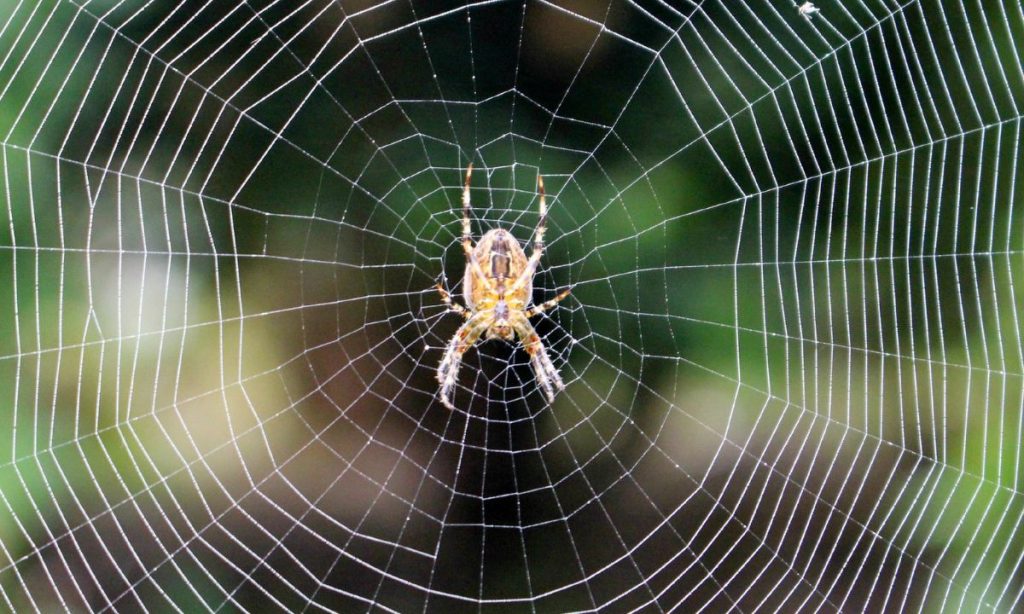
From the dense forests to our urban homes, spiders are a vital part of the Pacific Northwest ecosystem. While most are harmless and even beneficial house guests, knowing which ones are crawling in your corner is crucial for peace of mind. This comprehensive guide will help you identify the most common spiders in Washington State, separate fact from fiction, and show you how to manage them safely and effectively. The 8 Most Common Spiders in Western Washington Homes 1. Giant House Spider Eratigena atrica 2. Cross Orbweaver Araneus diadematus 3. Hobo Spider Eratigena agrestis 4. Cellar Spider aka “Daddy Long Legs” 5. Black Widow (Latrodectus hesperus) 6. Yellow Sac Spider Spider Identification Chart Spider Color/Marking Web Type Danger Level Giant House Spider Brown, large size Funnel web Low Cross Orbweaver Orange/brown with white “cross” Orb web None Hobo Spider Brown, herringbone abdomen Funnel web Low Cellar Spider Pale, very long legs Messy/tangled web None Black Widow Shiny black, red hourglass Irregular/tangled web High Yellow Sac Spider Pale yellow/beige Silken “sac” Low-Moderate The Truth About Spider Bites and Venom Myth: Spider bites are common and often cause severe skin lesions.Fact: The vast majority of suspected “spider bites” are actually bites from other insects like fleas or bed bugs, or skin infections. Spiders are reluctant to bite and usually only do so as a last resort when pressed against the skin. When to Be Concerned: Signs of a Black Widow Bite If you suspect you’ve been bitten by a Black Widow, seek medical attention. Symptoms can include: Integrated Pest Management: The Smart Way to Control Spiders The goal is not to eradicate all spiders an impossible and ecologically unsound task but to manage their presence inside your home. 1. Prevention is Key: Make Your Home Less Attractive 2. Non Chemical Control 3. When to Call a Professional Consider calling a local spider control expert if: The Beneficial Role of Spiders Before you squish, remember: spiders are nature’s pest control. They consume vast quantities of insects, including mosquitoes, flies, roaches, and agricultural pests. The spiders in your garden are working for you for free! Found a Spider and Need Help? If you’re dealing with recurring spiders or have found a potentially dangerous species like a Black Widow, don’t take chances. Our local experts can identify the species, locate the source, and implement a safe, targeted control plan. Contact us for a professional identification and solution.Call (206) 571-7580
Crawl Space Cleaning and Insulation King County, WA
The Hidden Cost of Neglected Crawl Spaces: Rodent Damage to Insulation Your crawl space insulation does more than regulate temperature it protects your home’s structural integrity and energy efficiency. But rodent infestations can destroy insulation in weeks, leaving you with: Financial Impact: Prevention Investment: Professional crawl space cleaning and insulation services cost $1,500-$4,500 but prevent exponentially higher repair costs. This includes removing contaminated materials, sanitizing the space, installing vapor barriers, and replacing insulation with rodent-resistant materials. Calculate Your Risk: A single mouse family can contaminate 200 square feet of insulation in one season. Seattle’s damp climate accelerates the problem when rodent urine combines with moisture. If you’re dealing with an active infestation, our Seattle mice exterminators can help eliminate the problem before insulation damage worsens. Related Services: Many homeowners need comprehensive crawl space rodent cleanup before new insulation can be installed. Our rodent control specialists assess the full scope of contamination and provide detailed cost estimates. Frequently Asked Questions How much does crawl space insulation replacement cost after rodent damage? Complete crawl space insulation replacement typically costs $2,000-$8,000 depending on square footage and contamination severity. This includes removal of soiled insulation, sanitization, vapor barrier installation, and new insulation. Homes with severe rodent activity may need additional structural repairs adding $1,000-$5,000 to the total. Can I just replace part of my crawl space insulation? While partial replacement seems cost-effective, rodent contamination spreads through air circulation and moisture. Professional crawl space cleaning services recommend complete removal to eliminate health hazards from rodent droppings and urine. Partial replacement often leads to recurring odor problems and re-contamination of new materials. What type of insulation is best for preventing rodent damage? Spray foam insulation provides the best rodent resistance, though it costs 30-50% more than traditional fiberglass batts ($4-$7 per square foot vs. $2-$4). However, without proper rodent exclusion work, even spray foam can be compromised. Most exterminators recommend combining standard insulation with comprehensive pest-proofing. How do I know if my crawl space insulation is contaminated? Warning signs include musty odors, visible droppings in insulation, displaced or torn batts, and increased energy bills. If you suspect rodents in your crawl space, schedule a professional inspection ($100-$200) before insulation damage becomes severe. Early detection saves thousands in replacement costs. Does homeowners insurance cover rodent damage to insulation? Most standard policies exclude rodent damage as “preventable maintenance issues.” However, if rodents chewed electrical wiring causing a fire, resulting damage may be covered. Document all damage with photos and consider adding pest control service plans to prevent future exclusions. Some insurers offer discounts for homes with professional pest prevention. How long does crawl space cleaning and insulation take? A typical 1,200-1,500 square foot crawl space takes 2-4 days for complete cleaning and insulation replacement. Day 1 involves removing contaminated materials and rodent cleanup. Days 2-3 cover sanitization, vapor barrier installation, and new insulation. Complex jobs with structural damage may require 5-7 days. Can rodents return after new insulation is installed? Yes, without proper exclusion work. New insulation attracts rodents seeking nesting material. Professional mouse extermination services seal all entry points (gaps ¼ inch or larger) and install barriers before insulation replacement. Expect to invest $500-$1,500 in exclusion work for long-term protection. What’s included in professional crawl space cleaning? Comprehensive service includes: removal of all contaminated insulation and debris, HEPA vacuuming of surfaces, antimicrobial fogging, dead rodent removal, entry point identification, vapor barrier installation, and new insulation. Some companies bundle pest control treatments and ongoing monitoring for 12-24 months. Mice Exterminators Seattle & King County What Mice Infestations Really Cost: Professional Extermination vs. DIY Before searching for “mice exterminators near me,” understand the true financial impact: Cost of Inaction: Professional Extermination Investment: The Prevention Advantage: Professional mice exterminators don’t just eliminate current infestations they identify the 20+ potential entry points mice use (gaps as small as ¼ inch) and prevent future invasions. Many infestations originate in crawl spaces, requiring specialized cleanup services. DIY Hidden Costs: While traps cost $20-$100, most homeowners spend 6+ months fighting recurring infestations before calling professionals, during which mice cause $1,000+ in hidden damage. If you’ve discovered rodents in your crawl space, professional intervention becomes even more critical due to contamination risks. Regional Considerations: Seattle homeowners face unique challenges due to climate and housing age. Our local exterminators understand regional pest patterns and building codes. Frequently Asked Questions How much do mice exterminators cost? Professional mouse extermination typically costs $200-$500 for initial service, $100-$300 for follow-up visits, and $300-$1,500 for exclusion work (sealing entry points). Total investment averages $600-$2,300 for complete elimination. Severe infestations requiring crawl space cleanup may cost $2,000-$5,000 additional. Monthly prevention plans run $50-$150. How long does mouse extermination take? Most exterminators eliminate active infestations within 1-3 weeks using traps, bait stations, and exclusion techniques. However, follow-up visits over 60-90 days ensure complete eradication. Homes with crawl space rodent problems may need 4-6 weeks due to larger populations and difficult access. One-time treatments rarely solve recurring infestations. What’s the difference between extermination and exclusion? Extermination eliminates current mice through traps and rodenticides ($200-$500). Exclusion prevents future entry by sealing gaps, installing door sweeps, and adding barriers ($300-$1,500). Professional mouse control services combine both approaches. Exclusion-only saves money upfront but doesn’t address active infestations. Budget for both for best results. Do I need to leave my house during mouse extermination? Most treatments don’t require evacuation. Snap traps and bait stations pose minimal risk to humans and pets when professionally placed. However, if your exterminator uses fumigation or treats crawl space infestations with heavy chemical applications, temporary relocation (4-8 hours) may be recommended. Always ask about pet and child safety protocols. How do exterminators find where mice are entering? Professional technicians inspect foundations, rooflines, utility penetrations, garage doors, and vents for entry points. Mice squeeze through gaps as small as ¼ inch (size of a dime). Thermal imaging cameras detect air leaks indicating entry routes. Crawl space inspections often reveal primary access points missed during standard home checks. Will mice come back after
Seattle Termite Damage Repair Services
A termite infestation doesn’t just end when the pests are gone the real problem is the damage left behind. In Seattle, where subterranean and dampwood termites are common, structural wood can be severely weakened before homeowners even realize there’s an infestation. Our team doesn’t just exterminate termites we also repair and restore your home so it’s safe, strong, and protected from future infestations. Why Termite Damage Is Dangerous (Related: Seattle Dampwood Termite Treatments where water damage and termites often go hand in hand.) Signs You Need Termite Damage Repair (See also: Seattle Termite Inspections catching infestations early reduces costly repairs.) Our Seattle Termite Damage Repair Process (Related: Carpenter Ant Extermination in Seattle another wood-destroying pest that can worsen structural issues.) Protecting Your Seattle Home After Termites Once repairs are complete, we provide guidance on long-term prevention sealing entry points, improving drainage, and scheduling inspections. A repaired home is only safe if future infestations are prevented. (Explore: Seattle Termite Exterminators full protection against all types of termites.)
King County’s Best Kept Secret: Eco-Friendly Pest Control in King County That Actually Works
When it comes to eco-friendly pest control in King County, you want a solution that’s not only safe for your family, pets, and the environment but also effective in eliminating pests from your home or business. AMPM Exterminator, offers environmentally safe pest control methods designed to protect your property without compromising on results. Whether you’re battling rodents in Seattle, termites in Bellevue, or ants in Kent, we have the expertise to provide the right solution. Why Eco-Friendly Pest Control Matters in King County King County residents and businesses deserve pest control that is both safe and effective. With the rising concern about environmental impact and the health risks associated with traditional pest control methods, many people in King County are turning to eco-friendly pest control solutions. But what exactly does eco-friendly pest control mean? Eco-friendly pest control uses natural, non-toxic methods to eliminate pests, focusing on prevention and long-term solutions. This approach ensures that while pests are removed, the surrounding environment is not harmed, and the safety of your family, pets, and community is prioritized. The Benefits of Choosing Eco-Friendly Pest Control in King County How We Provide Eco-Friendly Pest Control in King County Our eco-friendly pest control experts in King County are committed to delivering safe, effective treatments that make a real difference. Here’s how we do it: Eco-Friendly Pest Control Services in King County Cities From Seattle to Bellevue, Kent, and Redmond, we provide top-tier eco-friendly pest control services throughout King County, WA. Here’s how we help homeowners and businesses in some of the most popular cities in the region: Why Choose Us for Eco-Friendly Pest Control in King County? Eco-Friendly Pest Control for Businesses in King County It’s not just homes that benefit from our eco-friendly pest control solutions—businesses in King County can also rely on us to keep their spaces pest-free. Whether you run a restaurant in Bellevue, a retail store in Seattle, or an office in Redmond, pests can affect your reputation and operations. Our eco-friendly pest control services are designed to remove pests discreetly, efficiently, and without disrupting your business. Contact Us for Eco-Friendly Pest Control in King County If you’re looking for eco-friendly pest control in King County, look no further. [Your Company Name] offers reliable, sustainable pest control solutions for homes and businesses across the region. Our experienced exterminators are ready to provide you with a customized treatment plan that’s both safe and effective. Call us today at 206 571 7580 or contact us online to schedule your eco-friendly pest control service in King County, WA. Choosing eco-friendly pest control in King County is an investment in both your health and the environment. With natural, safe solutions that are proven to work, you can protect your home or business from pests while keeping the ecosystem intact. Let AMPM Exterminator help you reclaim your space with effective, eco-friendly pest control methods.
Will Diatomaceous Earth Kill Ants? A Comprehensive Guide to Natural Pest Control

Ants can be a persistent nuisance in homes and gardens, often leaving homeowners searching for effective and safe solutions. One natural remedy that has gained popularity is diatomaceous earth (DE). But does it really work? Let’s dive into the world of diatomaceous earth and its effectiveness against ants. What is Diatomaceous Earth? Diatomaceous earth is a naturally occurring, soft sedimentary rock that crumbles into a fine white powder. It’s made from the fossilized remains of tiny aquatic organisms called diatoms. These microscopic algae have been around for millions of years, and their skeletons are rich in silica. How Does Diatomaceous Earth Work Against Ants? DE acts as a mechanical insecticide, using two primary mechanisms to eliminate ants: This dual-action approach makes diatomaceous earth an effective tool in ant control. Types of Ants Affected by Diatomaceous Earth Diatomaceous earth is effective against various ant species commonly found in homes and gardens, including: Applying Diatomaceous Earth for Ant Control To use DE effectively against ants, follow these steps: Indoor Application When using DE indoors: Outdoor Application For outdoor ant control: Effectiveness of Diatomaceous Earth Against Ants While diatomaceous earth can be an effective ant killer, it’s important to understand its limitations: Pros Cons Natural and non-toxic Requires direct contact with ants Safe for pets and children Less effective when wet Long-lasting when dry May need frequent reapplication Effective against multiple pests Not a quick solution DE typically takes a few hours to several days to show noticeable results in reducing ant populations8. Safety Considerations When using diatomaceous earth, keep these safety tips in mind: Combining Diatomaceous Earth with Other Ant Control Methods For more comprehensive ant control, consider combining DE with other natural methods: FAQs About Diatomaceous Earth and Ant Control Q: How long does diatomaceous earth take to kill ants?A: It can take anywhere from a few hours to several days, depending on the level of infestation and environmental factors. Q: Is diatomaceous earth safe to use around pets and children?A: Yes, food-grade diatomaceous earth is non-toxic and safe for use around pets and children. Q: Can diatomaceous earth be used indoors?A: Absolutely. It’s effective for indoor ant control when applied around entry points and areas of ant activity. Q: How often should I reapply diatomaceous earth?A: Reapply after rain or when the treated area becomes wet. In dry conditions, it can remain effective for several weeks. Q: Will diatomaceous earth kill the entire ant colony?A: While DE can kill ants that come into contact with it, it may not eliminate the entire colony, especially if the queen is not affected. Conclusion Diatomaceous earth is a natural, effective solution for controlling ants in and around your home. Its mechanical action makes it a reliable choice for those seeking non-toxic pest control options. While it may not be an instant fix, consistent application of DE can significantly reduce ant populations over time. Remember, the key to successful ant control is persistence and a multi-faceted approach. Combine the use of diatomaceous earth with good sanitation practices and other natural repellents for the best results. By understanding how DE works and applying it correctly, you can create a more comfortable, ant-free environment in your home and garden.