
Do Black Widow Spiders Live in Washington State? | King County Spider Control
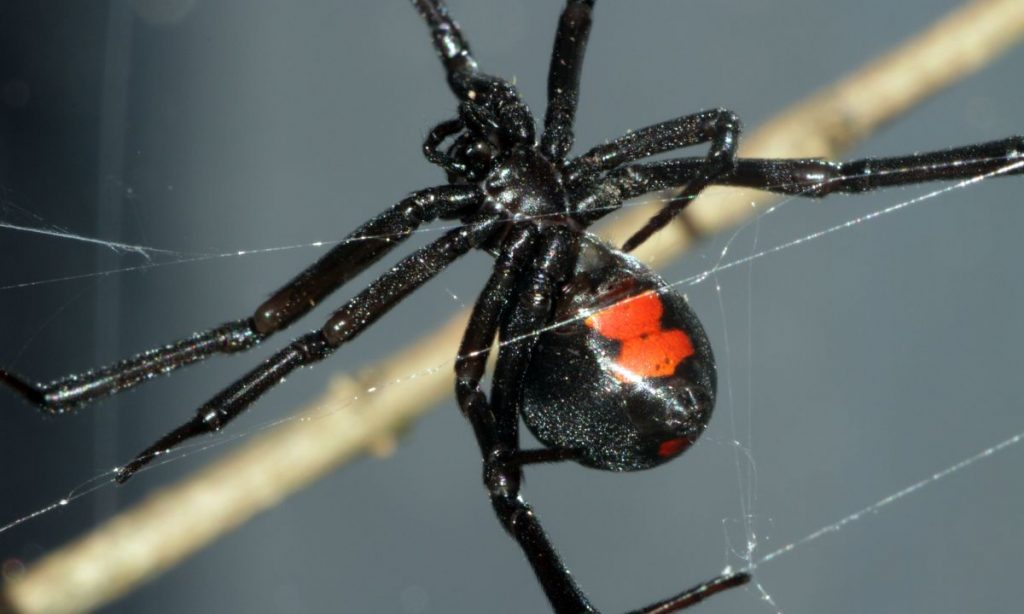
Yes, black widow spiders live in Washington State, but the risk to King County and Seattle area residents is very low. Black widows are common and established in eastern Washington particularly the Columbia Basin, Spokane, Yakima Valley, and Tri-Cities where the dry, hot climate suits them well. West of the Cascades, including Seattle, Bellevue, Renton, Kent, Kirkland, Redmond, Sammamish, Auburn, and Federal Way, confirmed black widow sightings are rare and isolated. Most dark spiders reported as “black widows” in King County turn out to be false black widows (Steatoda grossa), which are common here but far less dangerous. Unsure what spider you found? Text a photo to (206) 571 7580 for free identification AMPM Exterminators, King County’s local spider control specialists. Which Black Widow Species Live in Washington State? Two black widow species are present in Washington State. The western black widow (Latrodectus hesperus) is the more common of the two and the species a King County resident might theoretically encounter. It is identified by a complete, bright red hourglass marking on the underside of its shiny black, rounded abdomen. The northern black widow (Latrodectus variolus) is extremely rare in Washington, limited to isolated reports in eastern parts of the state, and is distinguished by a broken or fragmented hourglass rather than a solid one. For practical purposes, if you live in King County and you find a spider you believe to be a black widow, you are dealing with the western black widow and the odds are still very much in favor of it being a harmless lookalike rather than the real thing. Are Black Widows Common in Seattle and King County? Black widow spiders are not common in Seattle or King County. Confirmed sightings west of the Cascades are rare and isolated AMPM technicians serving King County typically encounter fewer than one verified black widow per year across thousands of service calls. The wet, mild climate of the Puget Sound region is not the preferred habitat of black widows, which thrive in warm, dry conditions. The geography matters here. Eastern Washington the Columbia Basin, Spokane, the TriCities, and the Yakima Valley has the dry summers, rocky terrain, and warm temperatures that black widows need to maintain established populations. King County’s average of 150 rainy days per year and moderate temperatures year-round create conditions that strongly favor other spider species: hobo spiders, giant house spiders, false black widows, and cellar spiders are all far more likely to be found in a Seattle-area home than a true black widow. This does not mean black widows are impossible west of the Cascades. They can survive in sheltered, dry microclimates south facing rocky slopes, the interior of woodpiles, utility boxes, and cluttered garages can provide the dry, protected conditions they prefer. But a King County resident should approach any dark spider with a much higher prior probability of it being a false black widow or giant house spider than a true black widow. How to Identify a Black Widow Spider in Washington A female black widow spider is identified by three features that appear together: a shiny jet black body, a rounded pea sized abdomen, and a bright red hourglass marking on the underside of that abdomen. Any spider missing all three of these features is not a true black widow. Size gives the first clue. Female black widows are 8–15 mm in body length with a leg span up to 1.5 inches medium sized for a spider, noticeably smaller than a giant house spider. The body is glossy, smooth, and a true jet black not dark brown, not gray-black, not mottled. The abdomen is distinctly round and bulbous. The definitive identification is the hourglass. It is on the underside of the abdomen you need to see the spider from below, which is why black widows hanging upside down in their web are the easiest to confirm. The hourglass is bright red or orange-red, clearly shaped, and contrasts sharply against the black abdomen. A marking that is pale, cream colored, orange without red, or fragmented is not the classic hourglass of a western black widow. Male black widows look entirely different from females: they are about half the size, brown or tan rather than black, and may have reddish or yellowish markings on the back rather than an hourglass. Males are also harmless their fangs are too small to deliver a medically significant bite to a human. The web is also diagnostic. Black widows build messy, irregular, three-dimensional tangle webs at or near ground level in dark, sheltered spots. This is different from the organized circular orb webs of garden spiders or the flat funnel webs of hobo spiders. If you see a chaotic, sticky, strong feeling web at ground level in a dark corner with a shiny black spider hanging in it that warrants a closer (careful) look. False Black Widow vs. True Black Widow: The Most Important Distinction in King County The false black widow (Steatoda grossa) is the spider King County residents most commonly mistake for a true black widow. It is common throughout Seattle and surrounding cities, lives in similar locations, and looks superficially similar but it is far less dangerous and has a distinctly different marking. False black widows are dark purple brown to black, with a rounded abdomen that can look nearly as smooth and dark as a true black widow at a glance. The key difference is the marking: false black widows have a pale cream, yellowish, or dull orange pattern on the abdomen sometimes crescent-shaped or mottled but never the bright, clean red hourglass of a western black widow. Under good light, the color difference is usually obvious. False black widows can bite if handled or cornered. Their venom causes localized pain and swelling similar to a bee sting, and occasionally mild systemic symptoms. They are not considered medically significant for healthy adults, though children and individuals with venom sensitivities should seek medical attention if bitten. Other common King County lookalikes include giant
How to Read Your Seattle Pest Inspection Report: A Homeowner’s Guide
You’ve just received your pest inspection report. Now what? The dozens of pages filled with technical terms, diagrams, and codes can feel overwhelming. This guide will help Seattle homeowners understand exactly what they’re reading, what’s critical, and what it means for protecting your home in neighborhoods from Ballard to Beacon Hill. Why Understanding Your Report Matters in Seattle In Seattle’s competitive housing market and damp climate, a pest inspection report isn’t just paperwork it’s a crucial document for: Decoding the Standard Sections of a Seattle Report 1. The Cover Page & Executive Summary What to look for: Pro Tip: The executive summary should give you the “big picture” in plain language. If it’s overly technical or vague, ask for clarification. 2. The Evidence & Findings Section This is often the longest part, filled with photos and descriptions. Understanding the Codes: Photo Evidence You Should See: 3. The Recommendation & Action Plan This section separates thorough inspectors from checklist-tickers. What Makes a Seattle Specific Plan: Red Flags in Seattle Pest Reports Warning Signs to Watch For: Comparing Multiple Inspection Reports If you’re buying a home in Shoreline or West Seattle, you might get multiple inspections. Here’s how to compare: Create a Simple Comparison Chart: Issue Found Inspector A’s Assessment Inspector B’s Assessment Estimated Repair Cost Carpenter Ants in Crawl Space “Active colony – Immediate treatment needed” “Old damage – No active insects observed” $800 – $1,500 Rodent Entry Points “3 primary entry points” “8 potential entry points” $300 – $800 per point The Seattle Reality: Different inspectors may highlight different issues based on their experience with local architecture. Special Considerations for Seattle Neighborhoods Historic Districts Ballard, Queen Anne, Capitol Hill: New Construction South Lake Union, Roosevelt: Waterfront & Hillside Properties Magnolia, West Seattle: From Report to Action: Your Next Steps For Home Buyers in Seattle’s Market: For Current Seattle Homeowners: For Seattle Sellers: When You Need a Professional Inspection Understanding a report is one thing getting a thorough inspection is another. For a comprehensive assessment of your Seattle home, from the foundation to the roof line, our detailed inspections provide the clarity you need. Ready to get a professional Seattle pest inspection?Visit our main Building Pest Inspections Service Page to learn about our process, technology, and Seattle-specific expertise. For urgent situations requiring same-day service:If you have an active infestation that needs immediate attention, our emergency team can help. Learn about our Emergency Pest Inspection Services. For commercial properties or pre-purchase inspections:Businesses and home buyers have specific documentation needs. Explore our Commercial & PrePurchase Pest Inspection Services. Seattle Specific Report Reading FAQ Q: How detailed should a Seattle pest inspection report be?A: For a standard single-family home, expect 15-30 pages including photos, diagrams, and specific recommendations. Condo reports may be shorter, while historic home inspections often run longer. Q: What’s the difference between “active infestation” and “conducive conditions”?A: “Active infestation” means pests are currently present. “Conducive conditions” are situations that could attract pests in the future (like wood touching soil in your Ravenna garden). Q: Should I get multiple inspections on the same Seattle property?A: It’s uncommon but can be wise for high-value properties or when the first report seems incomplete. Different inspectors may notice different issues in Fremont’s unique homes. Q: How long are pest inspection reports valid in Seattle?A: Typically 90 days for real estate transactions, as conditions can change seasonally. For your own knowledge, they’re valid until conditions change or work is completed. Q: Do Seattle inspectors guarantee their findings?A: Reputable inspectors stand by their reports but cannot guarantee they’ve found every single issue pests can be hidden. Look for companies offering report review or follow-up consultations. Found entry points? Don’t wait for rodents to find them too Call (425) 495-0306 for professional exclusion.
Crawl Space Cleaning & Rodent Insulation Replacement King County WA | AMPM Exterminators
Crawl Space Cleaning & Rodent Insulation Replacement in King County, WA Rodent activity in a crawl space doesn’t end when the rats are gone. The insulation they nested in, urinated on, and tore apart remains trapping odors, harboring pathogens, reducing your home’s energy efficiency, and attracting new infestations. In King County’s damp climate, damaged crawl space insulation deteriorates faster than anywhere else in Western Washington. AMPM Exterminators provides complete crawl space cleaning and insulation replacement for homes across King County from the initial rodent cleanup through sanitization, vapor barrier installation, and new insulation. One company, one visit, one complete solution. Why Crawl Space Insulation Fails Faster in King County King County averages over 38 inches of rainfall annually. Combined with the region’s clay heavy soils that hold ground moisture, most crawl spaces in homes built before 2000 deal with persistent humidity that accelerates insulation breakdown even without rodent involvement. Add Norway rats, roof rats, or mice to the equation and the damage compounds rapidly: Rats pull fiberglass batts down from joists to build nests, leaving large sections of the subfloor uninsulated Urine soaks through insulation to the paper facing and subfloor, causing wood rot and persistent ammonia odor Feces accumulate and dry, becoming airborne particulate that moves through floor gaps into living spaces Rodent travel paths compress and mat insulation, eliminating its R value in those areas Moisture from rodent activity and damaged vapor barriers accelerates mold growth in insulation and on joists King County homes in Renton, Auburn, Kent, Federal Way, and older Bellevue neighborhoods are most commonly affected due to crawl space construction standards of the 1960s–1980s. Homes with minimal ventilation and no vapor barrier are highest risk. Signs Your Crawl Space Insulation Needs to Be Replaced You don’t need to enter the crawl space yourself to recognize these warning signs: Persistent musty or ammonia odor coming through floor vents or registers indicates rodent urine saturation in insulation Cold floors in winter despite heating insulation has been pulled down or compressed below effective R value Higher than normal heating bills compromised insulation forces the HVAC system to work harder Scratching or rustling sounds beneath floors active rodent use of remaining insulation as nesting material Visible droppings near floor vents or baseboards indicates crawl space activity migrating upward Previous rodent treatment with no insulation follow up contaminated insulation is a reinfestation attractor Home built before 1990 with no vapor barrier moisture damage to insulation is almost guaranteed in King County Our Crawl Space Cleaning & Insulation Replacement Process We handle every step in sequence rodent elimination through finished insulation so nothing is left half done. Step 1: Crawl space inspection and rodent assessment Before any cleaning begins, we conduct a full crawl space inspection to confirm active vs. resolved rodent activity, identify entry points, assess insulation condition, evaluate the vapor barrier, and check for mold on joists or subfloor. If active rodents are present, we address the infestation before proceeding cleaning while rodents are still active is counterproductive and costly. Step 2: Rodent exclusion and entry point sealing We seal the entry points that allowed rodents access foundation vents, pipe penetrations, utility gaps, and crawl space access doors. Crawl space exclusion is completed before insulation installation, so new insulation is protected from the start. Step 3: Contaminated insulation removal All soiled, compressed, or rodent damaged insulation is bagged and removed. Our technicians use full PPE including respirators rated for hantavirus exposure during this phase. We do not leave partially damaged insulation partial replacement creates cold spots and leaves contamination in place. Step 4: Sanitization and deodorizing After insulation removal, we treat all exposed surfaces joists, subfloor, foundation walls with an EPA registered disinfectant effective against rodent-borne pathogens including hantavirus, leptospirosis, and salmonella. Odor neutralizer is applied to eliminate ammonia compounds that attract new rodents. This step is what separates a complete crawl space remediation from a simple insulation swap. Step 5: Vapor barrier installation or replacement A new 6 mil polyethylene vapor barrier is installed across the crawl space floor, sealed at seams and taped to foundation walls. In King County’s moisture environment, a properly installed vapor barrier is the single most effective measure against moisture driven insulation degradation and mold growth on structural components. Step 6: New insulation installation We install new insulation appropriate to your crawl space configuration faced fiberglass batts between floor joists for standard crawl spaces, or blown in options where access is restricted. We match or improve the existing R value rating (R-19 to R-38 depending on the home’s energy performance targets). Crawl Space Insulation Options for King County Homes Not all insulation performs equally in Western Washington’s wet climate. Here’s how the most common options compare for crawl space applications: Type R Value per inch Moisture resistance Best for Notes Faced fiberglass batts R-3.1–3.4 Moderate Standard joist bays, replacement installs Most common in KC homes; affordable; vapor facing must face up (toward subfloor) Unfaced fiberglass batts R-3.1–3.4 Low Interior walls only Not recommended for crawl spaces without vapor barrier below Blown-in cellulose R-3.2–3.8 Low (absorbs moisture) Tight spaces, retrofit applications Not ideal for crawl spaces in high humidity environments like King County Rigid foam board R-3.8–6.5 High Foundation walls, encapsulated crawl spaces Best moisture resistance; higher cost; ideal for encapsulation projects Spray foam (closed-cell) R-6.0–7.0 Very high Air sealing + insulation combined Most effective for sealing gaps and insulating simultaneously; highest cost AMPM recommends faced fiberglass batts for standard replacement projects and rigid foam or closed cell spray foam for homes with persistent moisture issues or encapsulation goals. We assess each crawl space individually and specify the right product before work begins. Health Risks of Rodent Contaminated Crawl Space Insulation Leaving rodent contaminated insulation in place is not just an odor problem it is a documented health risk that worsens over time as material dries and becomes airborne. Hantavirus pulmonary syndrome transmitted through inhalation of dried rodent urine, feces, or nesting material; most commonly associated with deer mice but documented in other rodent species in Washington State Leptospirosis bacterial
Seattle Termite Damage Repair Services
A termite infestation doesn’t just end when the pests are gone the real problem is the damage left behind. In Seattle, where subterranean and dampwood termites are common, structural wood can be severely weakened before homeowners even realize there’s an infestation. Our team doesn’t just exterminate termites we also repair and restore your home so it’s safe, strong, and protected from future infestations. Why Termite Damage Is Dangerous (Related: Seattle Dampwood Termite Treatments where water damage and termites often go hand in hand.) Signs You Need Termite Damage Repair (See also: Seattle Termite Inspections catching infestations early reduces costly repairs.) Our Seattle Termite Damage Repair Process (Related: Carpenter Ant Extermination in Seattle another wood-destroying pest that can worsen structural issues.) Protecting Your Seattle Home After Termites Once repairs are complete, we provide guidance on long-term prevention sealing entry points, improving drainage, and scheduling inspections. A repaired home is only safe if future infestations are prevented. (Explore: Seattle Termite Exterminators full protection against all types of termites.)
King County’s Best Kept Secret: Eco-Friendly Pest Control in King County That Actually Works
When it comes to eco-friendly pest control in King County, you want a solution that’s not only safe for your family, pets, and the environment but also effective in eliminating pests from your home or business. AMPM Exterminator, offers environmentally safe pest control methods designed to protect your property without compromising on results. Whether you’re battling rodents in Seattle, termites in Bellevue, or ants in Kent, we have the expertise to provide the right solution. Why Eco-Friendly Pest Control Matters in King County King County residents and businesses deserve pest control that is both safe and effective. With the rising concern about environmental impact and the health risks associated with traditional pest control methods, many people in King County are turning to eco-friendly pest control solutions. But what exactly does eco-friendly pest control mean? Eco-friendly pest control uses natural, non-toxic methods to eliminate pests, focusing on prevention and long-term solutions. This approach ensures that while pests are removed, the surrounding environment is not harmed, and the safety of your family, pets, and community is prioritized. The Benefits of Choosing Eco-Friendly Pest Control in King County How We Provide Eco-Friendly Pest Control in King County Our eco-friendly pest control experts in King County are committed to delivering safe, effective treatments that make a real difference. Here’s how we do it: Eco-Friendly Pest Control Services in King County Cities From Seattle to Bellevue, Kent, and Redmond, we provide top-tier eco-friendly pest control services throughout King County, WA. Here’s how we help homeowners and businesses in some of the most popular cities in the region: Why Choose Us for Eco-Friendly Pest Control in King County? Eco-Friendly Pest Control for Businesses in King County It’s not just homes that benefit from our eco-friendly pest control solutions—businesses in King County can also rely on us to keep their spaces pest-free. Whether you run a restaurant in Bellevue, a retail store in Seattle, or an office in Redmond, pests can affect your reputation and operations. Our eco-friendly pest control services are designed to remove pests discreetly, efficiently, and without disrupting your business. Contact Us for Eco-Friendly Pest Control in King County If you’re looking for eco-friendly pest control in King County, look no further. [Your Company Name] offers reliable, sustainable pest control solutions for homes and businesses across the region. Our experienced exterminators are ready to provide you with a customized treatment plan that’s both safe and effective. Call us today at 206 571 7580 or contact us online to schedule your eco-friendly pest control service in King County, WA. Choosing eco-friendly pest control in King County is an investment in both your health and the environment. With natural, safe solutions that are proven to work, you can protect your home or business from pests while keeping the ecosystem intact. Let AMPM Exterminator help you reclaim your space with effective, eco-friendly pest control methods.
Will Diatomaceous Earth Kill Ants? How Effective Is This Natural Ant Control Method?
Ants are one of the most persistent pests in King County and across the Seattle area and every spring, homeowners reach for natural remedies before calling a professional. Diatomaceous earth (DE) is one of the most popular options, and for good reason: it is non toxic, inexpensive, and widely available. But does it actually work, and is it enough to protect your home? How diatomaceous earth kills ants, which species it affects, how to apply it correctly, and critically when it falls short of eliminating an infestation entirely. If you are already dealing with a recurring ant problem in your home, our Seattle ant control experts at AMPM Exterminators are available for a free inspection across King County. How Does Diatomaceous Earth Kill Ants? Diatomaceous earth is a chalk like powder made from the fossilized remains of tiny aquatic organisms called diatoms single celled algae with hard, silica based shells. When ants walk through DE, the microscopic particles cling to their exoskeletons. The sharp, jagged edges scrape through the ant’s outer protective layer its cuticle removing the oils and fats that protect it from moisture loss. Once that barrier is compromised, the ant dehydrates and dies. Unlike chemical insecticides, DE works entirely through a mechanical process, not a chemical one. This means ants cannot develop resistance to it the way they can build immunity to poisons or synthetic repellents. That is one of DE’s most significant advantages for ongoing prevention. The typical kill time is 24 to 48 hours after an ant makes sufficient contact with the powder, though this depends on the amount of DE the ant contacts and the humidity of the environment. Which Ant Species Can Diatomaceous Earth Affect? King County homeowners encounter four primary ant species, each requiring a different treatment approach. Diatomaceous earth can affect all of them to varying degrees but not equally. Odorous house ants (sometimes called sugar ants or little black ants) are the most common indoor ant in Seattle. They emerge every spring when soil temperatures climb above 50°F, typically from March through June in King County. Because these ants forage heavily along visible trails at ground level, DE can intercept a meaningful portion of their workers. However, their colonies often have multiple queens and satellite nests, making complete elimination with DE alone unlikely. Carpenter ants are the largest ant species in the Greater Seattle area and are classified as Wood Destroying Insects (WDI) under Washington State law. They are most active from spring through early fall, with winged reproductive swarmers emerging indoors from late April through June. DE can kill individual carpenter ants on contact but is highly unlikely to reach the satellite nests tucked inside wall voids, or the parent nest which is almost always located outside in a moist tree, stump, or log. If you have a carpenter ant problem, do not rely on DE. Learn more about our carpenter ant treatment services and what structural damage left untreated can cost Seattle homeowners. Moisture ants thrive in the damp Pacific Northwest climate and typically nest in wood that has already been softened by water damage. Their presence often signals an underlying moisture issue inside your walls, crawlspace, or foundation. DE may slow surface activity, but it will not address the root cause. For moisture ant problems, a professional crawlspace inspection is the right first step. Pavement ants build nests near driveways, sidewalks, and concrete foundations. They are among the most susceptible ant species to DE because of their surface level activity, and a perimeter application around your foundation can meaningfully reduce their presence. How to Apply Diatomaceous Earth for Ant Control Always use food grade diatomaceous earth never pool grade. Pool grade DE is heat treated and contains up to 60% crystalline silica, making it toxic when inhaled. Food grade DE contains less than 1% crystalline silica and is the only type safe for pest control inside or around your home. Before applying, put on gloves and a dust mask. Even food grade DE can irritate lungs and skin during application, though it is safe once settled. Effective indoor application locations: Effective outdoor application locations: Apply a thin, even layer more is not better. Heavy piles are less effective than a fine, consistent dusting. Reapply any time the treated area becomes wet, vacuumed, or disturbed. Outdoors in King County’s rainy season, this may mean reapplying after every significant rainfall. Why Diatomaceous Earth Often Fails to Eliminate Entire Colonies This is the most important section for any Seattle homeowner relying on DE as their primary ant control strategy. Diatomaceous earth kills the ants that walk through it. It does not eliminate the colony. Here is why that distinction matters: The queen never contacts DE. The queen remains deep inside the nest and never forages for food. She never touches surface applied powder. As long as she survives, she continues producing new workers. A single ant queen can lay hundreds of eggs per day. Argentine ant colonies increasingly common in King County often have multiple queens, making surface only treatments even less effective. Worker ants can carry trace amounts back to the colony, but not in quantities sufficient to kill a protected queen or reach nesting sites deep inside walls or underground. Hidden nesting sites are out of reach. Carpenter ant satellite colonies tucked inside wall voids, rim joists, and window frames are simply not accessible to surface applied DE. The parent colony located outside in trees or stumps is completely unaffected. Satellite colonies multiply the problem. A single parent nest can support multiple satellite colonies inside your home. Treating one visible trail addresses only a fraction of the total infestation. Moisture reduces effectiveness immediately. Seattle’s frequent rain and damp indoor environments can neutralize outdoor DE applications within hours, and high indoor humidity especially in crawlspaces significantly reduces its kill rate. DE is most appropriate for light, localized ant problems or as a preventive perimeter barrier. For active or recurring infestations particularly carpenter ants, moisture ants, or large odorous
Warehouse & Distribution Center Pest Control in Kent, WA
Quick Answer : Warehouse Pest Control Kent WA AMPM Exterminators provides licensed warehouse and distribution center pest management throughout Kent, WA and South King County. Core services include Norway rat and house mouse abatement, German and American cockroach extermination, carpenter ant and odorous house ant elimination, perimeter monitoring station programs, loading dock exclusion, and written IPM documentation meeting AIB, SQF, BRC, and major retailer audit requirements. Same day emergency service is available 7 days a week. Call (206) 571 7580 or request a free facility assessment online. Why Kent Valley Warehouses Face Persistent Pest Pressure Kent holds one of the largest concentrations of industrial square footage in the Pacific Northwest. The Green River corridor, the West Valley Highway industrial district, and the South 212th to South 277th warehouse zone collectively represent tens of millions of square feet of distribution and manufacturing space. That density creates a pest dynamic that smaller commercial operations never encounter: the surrounding industrial landscape itself functions as a permanent reservoir for rodents, cockroaches, and ants that continuously probe every nearby building for access. Several factors make the Kent Valley specifically challenging for pest management. The Green River floodplain maintains year-round soil moisture that supports stable Norway rat breeding populations regardless of season. Kent’s alluvial soils shift and settle over decades, opening foundation gaps and utility penetrations that weren’t present when buildings were constructed in the 1980s and 1990s. The sheer volume of incoming freight semi trailers, ISO containers, intermodal transfers creates daily cockroach introduction pressure from supply chains originating in regions with high pest activity. And the concentration of active operations means a neighboring facility’s pest problem becomes your facility’s pest problem within weeks. Effective warehouse pest management in this environment is not reactive. It is a continuous monitoring and exclusion program that intercepts threats at the perimeter before they reach product storage areas and generate the customer audit failures, contaminated inventory, and regulatory citations that carry costs measured in tens of thousands of dollars. Seasonal Pest Pressure Patterns in Kent Industrial Areas Pest activity in Kent warehouses follows predictable annual cycles that a well designed IPM program anticipates rather than reacts to. Season Primary Pest Pressure Recommended Focus Fall (Sept–Nov) Norway rat and house mouse ingress as outdoor food sources decline; insects seeking overwintering sites Perimeter exclusion audit, bait station refresh, dock seal inspection Winter (Dec–Feb) Indoor rodent activity peaks; German cockroach populations consolidate near heat sources Interior monitoring, electrical panel inspection, HVAC area treatment Spring (Mar–May) Odorous house ant and carpenter ant foraging increases; moisture ant activity signals water intrusion Foundation perimeter treatment, moisture assessment, ant colony baiting Summer (June–Aug) Fly pressure at loading docks; wasp activity near dumpster enclosures; outdoor ant foraging peaks Dock fly management, wasp nest inspection, exterior bait station maintenance Planning note: Kent warehouse managers who schedule their annual building pest inspection in late August gain maximum lead time to address exclusion vulnerabilities before the fall rodent surge the highest risk period for new infestations in the Kent Valley. Rodent Abatement for Kent Warehouses and Distribution Centers Norway rats and house mice are the primary pest threat to Kent warehouse operations. No other pest category generates comparable financial exposure across product contamination, structural damage, fire risk, and audit failure combined. Understanding their specific vulnerabilities in industrial settings is the foundation of an effective abatement program. How Rodents Enter Kent Industrial Buildings Loading docks are the single most exploited entry point in warehouse construction. The gap between a dock leveler plate and the pit frame, the deteriorated rubber seal along a dock door’s sides, and the space beneath a dock bumper after years of trailer impact any of these openings can admit rodents entering during active shipping and receiving. A Norway rat requires a half-inch clearance; a house mouse needs only a quarter inch, roughly the diameter of a pencil. Entry Point Specific Vulnerability Recommended Remedy Loading dock assembly Gaps around levelers, worn dock seals, spaces under bumpers Commercial grade dock seal replacement, steel brush strips Utility penetrations Electrical conduits, gas lines, and water pipes often unsealed post-installation Commercial sealant with embedded steel mesh or stainless wool packing Foundation perimeter Settlement cracks in alluvial soils common to the Kent Valley Concrete patching plus perimeter monitoring station placement Overhead doors Damaged bottom seals, corner gaps, worn weatherstripping Sweep replacement, threshold plate installation Roof penetrations Unscreened vents, exhaust fans, HVAC curb gaps Hardware cloth screening (½-inch maximum mesh for rats, ¼-inch for mice) The True Business Cost of Warehouse Rodent Infestations The cost categories from a warehouse rodent infestation extend far beyond extermination fees. Facility managers who have navigated a customer audit failure understand the full scope; those who haven’t yet should model the exposure before deciding whether prevention costs are justified. Product Contamination & Disposal A rodent nest discovered within a pallet zone requires disposal of that pallet plus surrounding inventory within the contamination perimeter typically 10–20 pallets minimum. Product loss plus disposal fees plus labor documentation frequently reaches $15,000–$25,000 for a single incident. Customer Audit Failure Major retailers including Amazon, Walmart, Target, and Costco operate zero tolerance policies. A failed audit triggers contract suspension pending third party verified remediation. Some supplier relationships never fully recover, and the revenue loss dwarfs any pest control investment by an order of magnitude. Electrical & Structural Damage Rodents gnaw continuously to keep incisors worn. Electrical wiring is a documented fire risk; insulation damage increases HVAC costs; gnawed water lines create flooding exposure. These costs accumulate silently during the months an infestation goes undetected. Workforce Morale & Retention Visible rodent activity in pick and pack areas and break rooms directly affects employee satisfaction and retention rates. In Kent’s competitive warehouse labor market, facilities with known pest problems have measurably higher turnover than those with clean environments. Professional Rodent Abatement Protocol for Kent Warehouses 1 Perimeter Monitoring Station Installation Tamper-resistant exterior bait stations positioned at 25–50 foot intervals around the building perimeter intercept rodents before they locate entry points. Station placement prioritizes the dock area, corners, dumpster enclosures, and any
Wasp Nest Removal in Seattle & King County, WA Yellow Jackets, Hornets & Paper Wasps

AMPM Exterminators | Serving Seattle, Bellevue, Renton, Kirkland, Redmond & All of King County | (206) 571 7580 | Same Day Service Available Finding a wasp nest on your property is not a wait and see situation. Wasp colonies in Western Washington grow from a few dozen workers in spring to colonies of 1,000 to 5,000 by late summer and they become dramatically more aggressive as colony size increases. This guide covers exactly what type of nest you’re dealing with, what the risks are, when to call a professional, and what AMPM Exterminators does differently for wasp nest removal in Seattle and King County. What Type of Wasp Nest Do You Have? Identification Guide for Seattle & King County Correct identification determines the right removal approach. The three species responsible for the overwhelming majority of wasp calls AMPM Exterminators receives across King County are yellow jackets, bald-faced hornets, and paper wasps and each requires a different strategy. Yellow Jacket Nests in Seattle & King County Yellow jackets are the most dangerous and most commonly mishandled wasp species in Western Washington. They build nests in two locations that regularly surprise homeowners: Inside wall voids entering through a gap in siding, a missing vent screen, or a crack in the soffit. The nest itself is hidden inside the wall; only the entry hole is visible. This is the most dangerous nest type because the colony cannot be seen, its size is unknown, and disturbing the wall triggers an immediate defensive response Underground in abandoned rodent burrows, beneath deck boards, inside retaining wall gaps, and under concrete slabs. Ground nests are triggered by lawn mowers, foot traffic, and vibration Yellow jackets are responsible for the majority of serious sting incidents in King County. Unlike bees, a single yellow jacket can sting repeatedly without dying, and a disturbed colony releases alarm pheromones that recruit additional workers to attack within seconds. How to identify a yellow jacket nest: Workers are 1/2 inch long, bright yellow and black with no visible hair, with a distinctive rapid, side to side flight pattern. If you see workers consistently entering and exiting a single point in your siding, foundation, or ground, that is an active colony. Do not block the entry point. Bald-Faced Hornet Nests in Seattle & King County Bald-faced hornets build the large, distinctive gray paper nests that homeowners notice on tree branches, under eaves, in shrubs, and on the sides of buildings across King County. These nests start the size of a golf ball in April and can reach the size of a basketball or larger by August. Bald-faced hornets are among the most aggressive stinging insects in Washington State. They will pursue a perceived threat 10 to 20 feet from the nest, and the colony will mount a coordinated defense response to vibration and movement near the nest including lawn equipment, vehicles, and foot traffic within several feet. How to identify a bald faced hornet nest: The nest is a smooth, grayish-white paper sphere or teardrop shape, usually suspended from a branch, eave, or corner. Workers are 3/4 inch long, black with white facial markings. If the nest is larger than a softball, do not attempt removal without professional equipment. Paper Wasp Nests in Seattle & King County Paper wasps build open comb nests the umbrella shaped structure with visible hexagonal cells most commonly found under eaves, deck railings, door frames, window sills, inside mailboxes, and under patio furniture across Seattle and King County neighborhoods. Paper wasps are less aggressive than yellow jackets and bald-faced hornets and will generally not attack unless the nest is directly disturbed. However, nests built at head height near entry doors, in children’s play areas, or under furniture used regularly pose a genuine sting risk. How to identify a paper wasp nest: Open comb structure, no outer paper envelope, typically 3 to 6 inches across, suspended by a single stalk. Workers are slender, 3/4 to 1 inch long, brown with yellow markings and long dangling legs visible in flight. Mud Dauber Nests in Seattle & King County Mud daubers build cylinder shaped mud tubes on siding, garage walls, and under overhangs. They are solitary, non-aggressive, and extremely rarely sting. They are not a removal priority from a safety standpoint but their presence signals a high spider population nearby since spiders are their primary prey. Why Wasp Nest Removal Is Dangerous What Seattle Homeowners Get Wrong The three most common DIY mistakes AMPM Exterminators is called to fix after the fact: Spraying a Wall Void Nest With Retail Aerosol Retail aerosol wasp sprays cannot reach the colony inside a wall void they only contact workers near the entry hole. The result is a partially killed entry corridor and a surviving, fully agitated colony inside the wall that finds a new exit point, often into the living space through electrical outlets, light fixtures, or gaps in the ceiling. This is the most common escalation call AMPM Exterminators receives in July and August across King County. Sealing the Entry Hole of an Active Nest Sealing an active yellow jacket entry hole traps the colony inside the wall. The colony will chew through drywall, insulation, or any interior surface to find a new exit. Homeowners have found live yellow jackets emerging inside bedrooms, kitchens, and living rooms within 24 to 48 hours of sealing an entry point. Attempting Ladder Removal of a Bald Faced Hornet Nest A bald-faced hornet nest visible from the ground looks manageable. At ladder height, 18 inches from the nest, it is not. Bald faced hornets respond to vibration and proximity with an immediate coordinated attack. A colony of 400 workers defending a nest at close range is a medical emergency for anyone not in full protective equipment. How AMPM Exterminators Removes Wasp Nests in Seattle & King County Our wasp nest removal process is not the same as what a general handyman or a hardware store spray can accomplish. Here is exactly what professional removal looks like: Step 1 Species
Sugar Ant Exterminators King County, WA
Your Sugar Ant Problem Starts with Moisture, Not Just Crumbs King County homes experience more sugar ant invasions than almost anywhere in Washington because of our rain, our crawl spaces, and our older housing stock. Here’s what most companies won’t tell you. ✓ Same Day King County Service✓ Non Repellent Colony Elimination✓ Moisture Source Diagnosis Included✓ Safe for Pets & Kids 📞 Call (206) 571 7580 Understand the Problem First ⭐ 4.9 Star Google Reviews✓ 100% Satisfaction Guarantee⏰ Same or Next Day Service📞 (206) 571 7580 The Real Cause Why King County Has a Sugar Ant Problem That Most of Washington Doesn’t Every exterminator in Seattle will tell you to clean your counters. That’s true but incomplete. The reason King County homes get repeat infestations year after year comes down to one thing competitors rarely mention: water. Odorous house ants the species King County residents call “sugar ants” are scientifically documented to invade homes in higher numbers during rainy seasons. A landmark study in the Journal of Economic Entomology confirmed that rainfall is a primary driver: saturated soil forces colonies to seek drier, warmer interior spaces. Seattle averages over 37 inches of rainfall annually, concentrated heavily in the spring months that also happen to be peak ant season. Here’s what that means for your home: when you see a trail of tiny black ants marching across your kitchen counter in March or April, they didn’t come inside because someone left a dish out overnight. They came inside because the ground outside is saturated and a moisture rich area of your home a slow drip under the sink, condensation near the water heater, a damp wall void in an older crawl space is more attractive than the colony’s outdoor nest. The Key Diagnostic Insight If your sugar ant problem comes back every spring despite keeping a clean kitchen, the issue is almost certainly a moisture source inside your home’s structure. Sugar ants nesting in wall voids or crawl spaces near plumbing are a strong indicator of a slow leak or ventilation problem that is allowing wood to stay damp year round. This is why AMPM Exterminators ant treatment process includes a moisture source assessment as a standard part of every inspection not as an upsell, but because treating the ants without addressing the underlying condition guarantees reinfestation within the same season. Don’t Confuse Sugar Ants with Moisture Ants Small yellow ants found in walls, bathrooms, or crawl spaces are likely moisture ants (a separate species), not odorous house ants. Moisture ants are a more serious indicator: they only nest in wood that is already rotting due to water damage. Their presence means the moisture problem has been ongoing long enough to cause structural decay. Both species require professional treatment, but moisture ants often require a contractor referral for structural repairs as well. Read our full guide on moisture ants vs. sugar ants → King County Activity Guide Sugar Ant Season in King County: Month by Month Understanding when activity peaks helps you act before the invasion begins. No competitor publishes a King County specific seasonal breakdown here’s what our technicians actually see on the ground. Season Months Activity Level What Our Technicians See Winter Dec – Feb Low / Dormant Colonies slow but don’t fully stop in King County’s mild climate. Occasional scouts in warmer areas of the home near pipes or heating vents. Watch for signs near hot water heaters. Early Spring Mar – Apr PEAK INVASION Heaviest rainfall period. Saturated soil drives entire colonies indoors simultaneously. This is when overnight invasions happen. Most urgent window to treat proactively or respond immediately. Late Spring Summer May – Aug High Activity Colony populations peak. Established indoor nests in walls and crawl spaces expand. Swarmers (winged reproductive ants) may appear May–June, signaling a mature, established colony. Fall Sep – Nov Moderate – Second Surge A second wave as colonies seek winter warmth. Moisture ants (yellow, small) may begin appearing in fall rather than spring their swarm season runs August–September. Schedule treatment before peak season → Where to Look The 6 Most Common Moisture Sources That Attract Sugar Ants in King County Homes Our technicians find these locations responsible for the majority of repeat infestations in the Seattle area. Check these before calling and point them out when we arrive. Under sink slow leaks Even a slow drip that hasn’t caused visible water damage keeps the cabinet base perpetually damp ideal nesting conditions. Odorous house ants exploit sink cabinet voids throughout King County homes, especially in kitchens over 15 years old. Crawl space moisture Unventilated or poorly ventilated crawl spaces are the single most common ant harborage site in older King County homes, particularly in West Seattle, Beacon Hill, and Rainier Valley. Ground contact moisture saturates the wood framing above. Learn about crawl space ant treatments → Hot water heater condensation The area surrounding water heaters especially tank style heaters in garages or utility closets creates sustained warmth and humidity that odorous house ants actively seek out for winter nesting. Overhanging vegetation Tree branches, shrubs, or ivy touching the roofline or siding create a direct pathway and hold moisture against the exterior. Colonies nest in the decaying organic matter where plants contact the structure. Utility penetration gaps Gaps around plumbing, electrical conduits, and HVAC penetrations through the exterior wall are both entry points and moisture sinks. King County’s aging housing stock has many that were never properly sealed. Mulch against the foundation Decorative bark or wood mulch beds that touch the home’s foundation retain moisture and provide organic nesting material. A 12 inch clear zone between mulch and the foundation eliminates this harborage. Get a professional moisture assessment → King County Neighborhood Guide Which King County Neighborhoods See the Most Sugar Ant Activity? Infestation rates vary by neighborhood based on housing age, tree canopy density, lot drainage, and crawl space conditions. Here’s what our technicians see across the county. Neighborhood Key Risk Factors West Seattle & White Center Older housing stock with poorly sealed crawl spaces; dense residential lots with mature tree roots that channel moisture toward foundations. West Seattle ant
Rat Abatement Certificate Seattle & King County | AMPM Exterminators

Seattle & King County Rat Abatement Certificate Services If you’re planning a demolition, renovation, or new construction project anywhere in Seattle or King County, there’s a step in the permitting process that catches a lot of homeowners and builders off guard: rat abatement. Since February 2019, the City of Seattle no longer allows this requirement to be waived, and King County jurisdictions including Bellevue, Kirkland, Renton, Kent, Federal Way, Sammamish, Shoreline, Bothell, Issaquah, and Mercer Island each enforce their own version of the same rule. Without the right documentation, your demolition permit simply won’t be approved. AMPM Exterminators is a licensed pest control company serving all of these communities, and we handle rat abatement certification for residential homeowners, commercial property owners, and construction and demolition contractors across King County. Why Rat Abatement Is Required Before Demolition When a building comes down, any rats living inside or underneath it don’t disappear they scatter into neighboring homes, businesses, and storm drains. Cities require rat abatement before demolition specifically to prevent this displacement problem. The requirement exists in Seattle’s building code (and mirrored codes across King County) as a public health measure, and it applies to residential, multifamily, and many commercial structures. Skipping this step, or submitting incomplete paperwork, is one of the most common causes of demolition permit delays. Inspectors will not sign off on a ground disturbance inspection without proof of an active or completed rat abatement program. Who Needs This Service Homeowners planning a teardown or major remodel need documentation before their demolition permit is approved even for a single family lot. If you’re dealing with an active rat problem rather than a certificate requirement, our Seattle Residential Rat Removal service covers full inspection, exclusion, and cleanup. Contractors and builders managing multiple projects need a pest control partner who can turn around certificates reliably across job sites without holding up a construction schedule. Commercial property owners demolishing or redeveloping office buildings, retail space, or warehouses face the same requirement, often at a larger scale with more entry points and nesting sites to inspect see our Seattle Commercial Rat Control page for restaurant, warehouse, and multi-unit property specifics. The Two Documents You’ll Need Most permitting offices in King County require two separate pieces of paperwork, not one: We provide both documents as part of our service, formatted for direct submission to your local building department. How the Process Works Step 1: Inspection. We inspect the property to identify existing rat activity, nesting sites, and entry points around the foundation, crawlspace, and any structures scheduled for demolition. Step 2: Baiting Program. Most jurisdictions, including Seattle, require the abatement program to begin at least 15 days before your ground disturbance inspection and continue up until demolition starts. We place bait stations and monitor them throughout this window. Step 3: Certification. Once the program is complete and we’ve confirmed the property is clear, we issue your official Rat Abatement Certificate, ready to hand to your inspector or submit with your permit file. Step 4: Demolition Day Support. If your demolition date changes, your certificate may need to be reissued we’ll let you know exactly what your specific project needs based on how far out the new date is. Requirements Can Vary by City Not every King County jurisdiction handles rat abatement identically. Seattle has not allowed any waiver of this requirement since 2019. Some nearby cities, like Shoreline, still allow a waiver if a licensed pest control company provides a written recommendation, while others, like Kirkland, do not allow a waiver under any circumstances. Because the exact rules and required forms differ from one building department to the next, we always confirm the current requirement for your specific city before starting your project whether that’s Bellevue, Renton, Kent, Federal Way, Sammamish, Bothell, Issaquah, or Mercer Island. Pricing Rat abatement certification for a standard single family lot in the Seattle area typically runs in the $400–$550 range, depending on the property size and how many visits are required before your demolition date. Larger commercial properties or multilot job sites usually cost more, based on square footage and the number of certificates needed. We believe in transparent, upfront pricing with no surprise fees you’ll know your cost before we begin. Why Choose AMPM Exterminators Related Rat Control Services Frequently Asked Questions How long does rat abatement take before I can demolish?Most jurisdictions, including Seattle, require the baiting program to run for at least 15 days before your ground disturbance inspection, and it must continue until demolition begins. Do I need this for a single-family home demolition, or just commercial projects?Both. The requirement applies to residential, multifamily, and many commercial demolition projects across King County. What happens if my demolition date changes?If your date moves after your certificate is issued, we may need to revisit the property to re-establish the abatement program and reissue your certification, since inspectors typically require it to reflect your current demolition date. Can the rat abatement requirement be waived?It depends on the city. Seattle does not allow a waiver. Some other King County cities do allow a waiver with a written recommendation from a licensed pest control company we’ll tell you exactly where your city stands. Which cities does AMPM Exterminators serve for rat abatement?Seattle, Bellevue, Renton, Kirkland, Redmond, Kent, Federal Way, Sammamish, Shoreline, Bothell, Issaquah, Mercer Island, and the surrounding King County area. Get Your Rat Abatement Certificate Started Don’t let a missed rat abatement requirement delay your demolition permit. Call AMPM Exterminators today at (206) 571-7580 to schedule your inspection and get the certification process started for your Seattle or King County project.