
Warehouse & Distribution Center Pest Control in Kent, WA
AMPM Exterminators provides pest control for warehouses and distribution centers in Kent, WA and South King County. Services include rodent control, cockroach and ant control, loading dock exclusion, perimeter monitoring stations, and written service records for audits. Monthly programs typically run $150 to $550 or more, depending on facility size. [Same-day emergency service is available 7 days a week for calls before 2 PM.] Call (206) 571-7580 for a free facility assessment.
- Licensed by the Washington State Department of Agriculture (WSDA), License #602573712
- Fully insured
- Serving King County since 2005, with 4.8 stars from 140+ Google reviews
- [Your guarantee or retreatment promise]
- [Your response time promise, only if you keep it]
Why Kent Valley Warehouses Have Steady Pest Pressure
The Kent Valley is one of the Puget Sound region’s largest warehouse and distribution areas. Buildings sit side by side along the Green River corridor, West Valley Highway and the South 212th to South 277th industrial zones. Rodents, cockroaches and ants move easily from one property to the next.
Three things drive most pest problems:
- Freight: Trailers, containers and pallets can carry cockroaches and egg cases into receiving areas.
- Neighbors and drainage: Dumpsters, drainage corridors and the Green River give rodents water, food and cover next door.
- Building age and ground movement: Many Kent Valley buildings date from the 1980s and 1990s, and settling can open gaps at foundations and utility penetrations.
Effective warehouse pest control is a continuous program of monitoring and exclusion, not a one-time spray.
Seasonal Pest Calendar for Kent Warehouses
- Fall (Sept to Nov): Rats and mice move indoors as outdoor food runs short. Do a perimeter exclusion audit, refresh bait stations, and inspect dock seals.
- Winter (Dec to Feb): Indoor rodent activity peaks, and German cockroaches gather near heat sources. Check electrical panels and HVAC areas.
- Spring (Mar to May): Odorous house ants and carpenter ants become active. Moisture ants can signal water intrusion. Treat the foundation perimeter and check for moisture.
- Summer (June to Aug): Flies gather at loading docks, wasps nest near dumpsters, and ants forage outdoors. Maintain exterior stations and inspect for nests.
Schedule your annual building inspection in late August. That gives you time to fix exclusion gaps before the fall rodent surge.
Rodent Control for Kent Warehouses
Rats and mice are the most serious threat to warehouse operations. They contaminate product, chew wiring and put audits at risk.
Where they get in:
- Loading docks: Gaps around levelers, worn dock seals and spaces under bumpers. Fix with commercial dock seals and steel brush strips.
- Utility penetrations: Unsealed conduit, gas and water lines. Fix with commercial sealant packed with stainless steel mesh.
- Foundation cracks: Settlement cracks in the soil. Fix with concrete patching and nearby monitoring stations.
- Overhead doors: Damaged bottom seals and corner gaps. Fix with new sweeps and threshold plates.
- Roof penetrations: Unscreened vents and HVAC curb gaps. Fix with hardware cloth screening, ½-inch mesh for rats and ¼-inch for mice.
A Norway rat needs about a half-inch gap, and a house mouse about a quarter inch.
Our program:
- Perimeter monitoring stations: Tamper-resistant exterior stations every 25 to 50 feet, concentrated at docks, corners and dumpster areas.
- Entry-point survey: A licensed technician photographs and documents every opening and specifies the sealing material for each.
- Interior trap network: Snap traps and monitoring devices along walls near docks, mechanical rooms and utility penetrations, mapped for audits.
- Sanitation review: A written assessment of cardboard, waste, drainage and storage practices that feed rodents.
- Monitoring and reports: Every visit is documented, and we flag early activity before it becomes a finding.
For more, see rodent control in Kent and Tukwila and our rat exterminator page.
Cockroach Control for Distribution Centers
Most warehouse cockroach problems start with incoming freight. Roaches and egg cases hide in cardboard, between pallet boards and in used equipment. By the time you see them in daylight, the population hidden behind electrical panels and in HVAC units can be large.
Two species cause most of the trouble. German cockroaches thrive in the heated parts of any warehouse kept at 68°F or above. American cockroaches come up from floor drains and sewer lines.
Where we look first:
- Electrical panels and switchgear
- HVAC units and drain pans
- Break room appliances and vending machines
- Pallet stacks and cardboard piles
- Floor drains
We use non-repellent gel bait, insect growth regulators and desiccant dusts. Repellent sprays scatter roaches into hidden areas without killing the colony. We also help receiving staff spot egg cases and set up a quarantine area for suspect shipments. See our cockroach control.
Ant Control for Kent Warehouses
Odorous house ants are the main problem. They form large colonies, and spraying a trail splits the colony into new nests. We use non-repellent bait that workers carry back to the colony, and we treat outdoor nests along the foundation.
Carpenter ants and moisture ants nest in damp wood. Finding them often means water is getting in, from roof penetrations, HVAC curbs, condensation or foundation drainage. We look for the water source as well as the ants. See our ant control.
Kent Warehouse Pest Control Prices
[Verify every number against your actual quotes before publishing.]
Monthly service
- Under 50,000 sq ft: $150 – $250/month. Perimeter stations, interior traps, bait checks, service report.
- 50,000 to 150,000 sq ft: $250 – $375/month. Larger station network, digital documentation, trend analysis.
- Over 150,000 sq ft: $400 – $550+/month. Multi-technician service, full facility mapping, audit reporting.
One-time remediation when prevention has failed
- Moderate rodent infestation: $800 – $3,000, about 4 to 8 weeks
- Severe rodent infestation: $5,000 – $15,000+, about 8 to 16 weeks
- Established German cockroach colony: $1,000 – $5,000, about 6 to 12 weeks
- Ant colony elimination: $300 – $1,200, about 4 to 8 weeks
Prices are typical ranges, plus sales tax. Your quote depends on building size, pest pressure and service frequency. The facility assessment is free.
Audit-Ready Pest Control Records
Every visit produces a written report covering findings, treatments, products used with EPA registration numbers, and technician license information. We also provide numbered station maps and activity trend data. Our records are formatted to support audits under AIB, SQF, BRC, FSSC 22000 and major retailer programs. Your auditor decides what’s required for your facility, and we tailor the documentation to match.
Washington law requires licensed applicators to keep pesticide application records for seven years. Copies are available on request. [Add: “Digital download access” only if you offer it.]
Same-Day Emergency Service
[Confirm: same-day service, 7 days a week, for calls before 2 PM.]
Emergencies we handle:
- A customer audit or inspection within 24 to 48 hours
- Live cockroaches spotted during a facility tour
- A shipment rejected for pest evidence
- Sudden rodent activity in a storage or pick area
- A health department notice
Call (206) 571-7580.
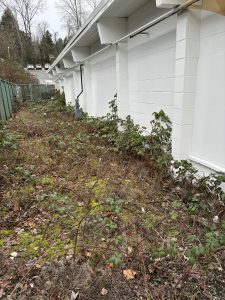
A Recent Kent Job
A shipping and receiving distribution center in Kent called us after compromised building to rodents. Our inspection found [pest] getting in through [entry points]. We [what you did, e.g. set monitoring stations and traps] and sealed [what you sealed, and with what]. [Result, e.g. “Activity stopped, and our follow-up visit found no new signs.”]
Kent Warehouse Pest Control FAQ
What pest control services do you provide for Kent warehouses?
Rodent control, cockroach and ant control, perimeter bait station programs, loading dock exclusion, and written records for audits.
How much does warehouse pest control cost in Kent?
Monthly programs typically run $150 to $550 or more, depending on size. See the price table above.
How quickly can a pest problem develop in a warehouse?
Quickly. A rat can have several litters a year, and German cockroaches reach noticeable numbers within a couple of months of an introduction. Regular monitoring lets you catch problems while they’re small.
Do I need monthly service?
Frequency depends on your risk assessment and audit program. Many food-related warehouses use monthly service, and your auditor can tell you what’s required. We’ll help set a schedule that fits.
What do auditors usually ask for?
Typically 12 to 36 months of service records, a station map, activity trends, treatment details with product and EPA numbers, technician license records, and a corrective action procedure. We provide all of it.
What are the most common entry points in Kent warehouses?
Dock levelers and seals, unsealed utility penetrations, foundation cracks, worn overhead door seals and unscreened roof vents.
Related Commercial Services
Commercial pest control programs, rodent control, cockroach control, ant control, wasp and hornet removal, termite inspections and building pest inspections.
Kent Industrial Areas We Serve
West Valley Highway district, East Hill warehouse zone, Green River industrial corridor, South 212th to South 277th warehouse strip, 84th Avenue South industrial park, 68th Avenue South distribution area, Midway (SR 99 corridor).
Nearby: Renton, Auburn, Tukwila, SeaTac, Federal Way, Burien, Des Moines, Covington, Maple Valley and Black Diamond.
About AMPM Exterminators
AMPM Exterminators is a locally owned pest control company that has served King County commercial properties since 2005. Our technicians hold WSDA pest control licenses, and we carry full liability insurance. We serve Kent from our Seattle headquarters. [If you have a Kent office, add its address here instead.] See our reviews and FAQ.
Request a Free Facility Assessment
Call (206) 571-7580 or email info@ampmexterminators.com.
AMPM Exterminators
3213 W Wheeler St #81, Seattle, WA 98199
Serving Kent, Renton, Auburn, Tukwila and all of South King County