How to Get Rid of Ant Hills DIY vs. Professional Methods

How to Get Rid of Ant Hills DIY vs. Professional Methods | AMPM Exterminators How to Get Rid of Ant Hills DIY vs. Professional Methods Are Ant Hills Popping Up All Over Your Yard? If you’re finding small mounds of dirt in your lawn, sidewalk cracks, or garden beds, you’re likely dealing with active ant hills. These are more than just unsightly they’re the tip of a much bigger underground colony. Getting rid of ant hills effectively means eliminating both the visible mound and the ants living below the surface. What Are Ant Hills, and Why Do They Appear? Ant hills form as ants excavate tunnels and push soil to the surface. They’re typically created by sugar ants, pavement ants, or even carpenter ants. A single colony can support up to 100,000 workers, and multiple hills may be connected underground. Common causes: Moist, well-drained soil (lawns, flower beds) Cracks in driveways and patios Tree roots and stump decay DIY Methods to Eliminate Ant Hills Here are a few common at home approaches: Boiling Water: Pour directly into the mound to kill surface ants and collapse tunnels. Vinegar + Water Mix: Natural disruption method, though not always effective for deep colonies. Borax Bait Traps: Combines sweet bait with borax to kill the colony over time. Diatomaceous Earth: A powder that damages ants’ exoskeletons sprinkle around the mound and garden beds. 💡 Note: Many DIY methods provide only temporary relief and won’t reach deeper nests. When to Call a Professional Ant Exterminator Persistent ant hills, multiple colonies, or ants entering your home signal that it’s time to bring in a pro. At AMPM Exterminators, we use targeted baiting and insect growth regulators to eliminate entire colonies, not just the surface mound. ✔️ Advanced gel baiting systems ✔️ Yard-safe perimeter treatments ✔️ Nest tracking and elimination ✔️ Family and pet-friendly options Need fast, safe ant hill removal in Seattle or King County? 📞 Request a Free Inspection or call 206-571-7580. FAQs About Ant Hills Q: Should I destroy the mound or leave it alone? A: Destroying the mound without treating the colony will not stop the infestation. Use bait or call a pro for best results. Q: Are ant hills a sign of a bigger problem? A: Yes. Multiple hills may indicate satellite nests or a massive colony network underground. Q: Can I use bleach or ammonia? A: These are not safe or effective for ant hills. They may push the colony to relocate — or drive ants into your home. Next Steps: Eliminate Ant Hills for Good Don’t just stomp the mound and hope for the best. Whether you’re trying natural DIY remedies or want guaranteed results, AMPM Exterminators has your back. 🔗 Learn more about sugar ant control 🔗 Seattle ant extermination services Serving homeowners in: Seattle, Bellevue, Renton, Kent, Sammamish, and surrounding King County neighborhoods.
Pacific Northwest Spider Identification & Control: What Seattle and King County Homeowners Actually Need to Know
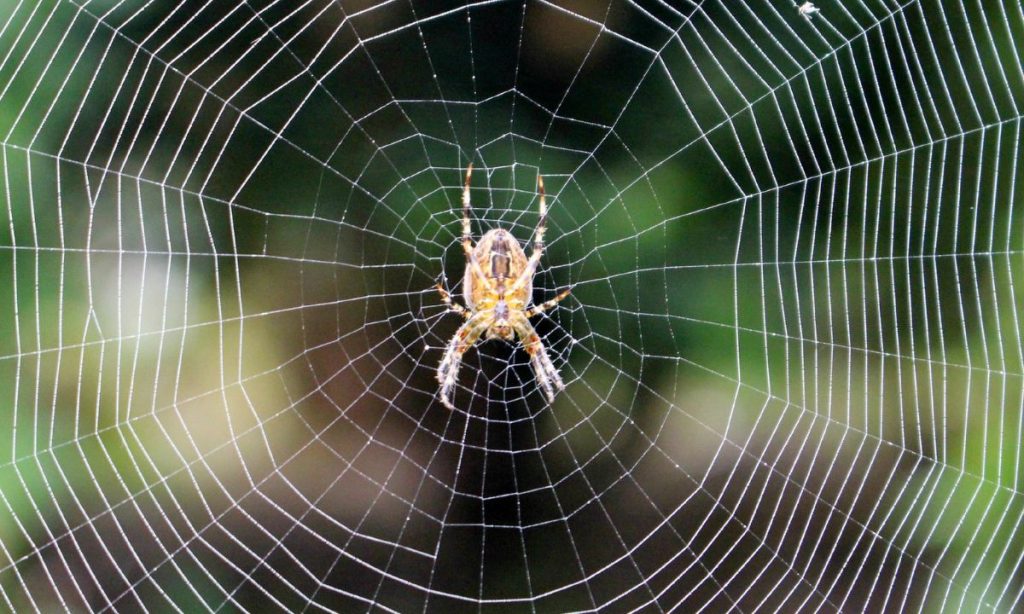
Why Washington State Has More Spider Activity Than Most of the Country Washington State’s temperate maritime climate mild winters, wet springs, long humid summers creates one of the most productive spider habitats in North America. Unlike northern states where hard freezes suppress arthropod populations for months, King County and the greater Puget Sound region sustains spider activity twelve months per year. Ambient insect populations that would collapse under a hard winter remain viable through Seattle’s mild, wet winters, providing spider food sources that keep indoor populations active in every season. The result is that Pacific Northwest homeowners encounter spiders indoors at a frequency that surprises people relocating from colder climates. What appears to be a seasonal problem is, in western Washington, a structural one and professional spider control in Seattle and King County addresses both the spiders and the conditions that make a building continuously hospitable to them. This guide covers every spider species you are likely to encounter in a western Washington home or business, what the science actually says about their risk, how to tell them apart, when to treat independently, and when to call a licensed spider exterminator. Spider Season in the Pacific Northwest: When and Why Activity Spikes Spider activity in western Washington follows a predictable pattern that every homeowner in Seattle, Renton, Bellevue, Kirkland, and King County’s rural Eastside should understand. Spring (March–May): Egg sacs laid the previous fall begin hatching. Spiderling populations disperse throughout the structure from overwintering harborage. Activity is distributed across the building rather than concentrated in visible zones. Summer (June–August): Populations mature and establish feeding territories. Outdoor webs become prominent in garden areas, eaves, and entry points. Interior populations build in crawlspaces, basements, and wall voids where prey insects are concentrated. Fall (August–October): The most visible and high contact season for most western Washington homeowners. Adult male giant house spiders and hobo spiders leave their established webs to wander in search of mates, entering living spaces through gaps at an elevated rate. This is the season when spider sightings in kitchens, bathrooms, and bedrooms peak sharply. The same temperature differential that draws rodents into structures in fall draws spiders warmth, shelter, and abundant indoor prey insects. Winter (November–February): Indoor populations persist wherever prey is available. Crawlspaces, garages, and utility areas with insect activity remain active spider zones year round. Outdoor populations reduce but do not disappear in King County’s mild winters. Understanding this cycle is important for timing spider extermination treatment in King County. Treating in late summer before the fall wandering peak is significantly more effective than treating reactively once spiders are already visible throughout living areas. Complete Pacific Northwest Spider Identification Guide Giant House Spider Eratigena atrica What it looks like: The largest house entering spider in Washington State, with a leg span frequently exceeding three inches and occasionally reaching four inches in mature males. Body color is warm brown to tan with faint lighter chevron markings across the abdomen. The most diagnostic feature at a distance is movement giant house spiders are exceptionally fast over short distances, which is the primary reason encounters generate alarm disproportionate to the species’ actual risk. Where it lives: Giant house spiders construct flat funnel webs in undisturbed low areas behind stored boxes, under basement stairs, inside crawlspace framing, in garage corners, and along foundation walls. The funnel narrows into a retreat tube where the spider rests. Males abandon their webs in fall to wander in search of females, which is when the species is most commonly encountered in open living areas. Medical significance: None. Giant house spiders are not aggressive and do not bite in ordinary circumstances. Their venom produces at most localized irritation in the rare event of a bite. The species’ imposing size is the source of most concern the risk itself is negligible. When it becomes a problem: When wandering males repeatedly enter living spaces, when established webs accumulate in crawlspaces and basements in large numbers, or when the presence of giant house spiders in a commercial or hospitality setting creates customer facing concerns. The spider’s presence at high density also indicates a substantial underlying insect population providing the food source sustaining them a signal that broader pest control in Seattle and King County may be warranted. Hobo Spider Eratigena agrestis What it looks like: Medium sized with a leg span of one to two inches. Brown body with a distinctive herringbone or chevron pattern across the dorsal abdomen a pattern that distinguishes it from the giant house spider when the specimen is stationary and can be examined closely. Hobo spiders also construct flat funnel webs, which makes visual distinction from the giant house spider at a distance difficult for non specialists. Where it lives: Basements, crawlspaces, window wells, wood piles, and undisturbed low areas throughout western Washington. The hobo spider is particularly abundant in older Seattle neighborhoods with unfinished basements and wood frame crawlspaces, and in rural King County properties where outbuildings and debris piles provide abundant harborage. The scientific record on venom: This requires careful accuracy. Earlier research attributed necrotic skin lesions to hobo spider bites, and the species was listed as medically significant by the CDC. Subsequent research including controlled studies that could not replicate necrotic effects revised this classification significantly downward. The CDC no longer lists hobo spiders as a species of medical concern, and necrotic wounds previously attributed to hobo spider bites are now understood to more commonly result from bacterial infections, brown recluse bites (a species not established in Washington State), or other causes. A hobo spider bite may produce localized pain and redness comparable to a bee sting. It does not produce the tissue destruction previously attributed to it in popular accounts. That said, positive identification of a hobo spider versus a giant house spider requires close examination, and any unidentified medium to large brown funnel web spider encountered in a Washington State crawlspace or basement warrants cautious handling. When it becomes a problem: Dense populations in crawlspaces, basements, and ground
Are there Termites in Washington State?
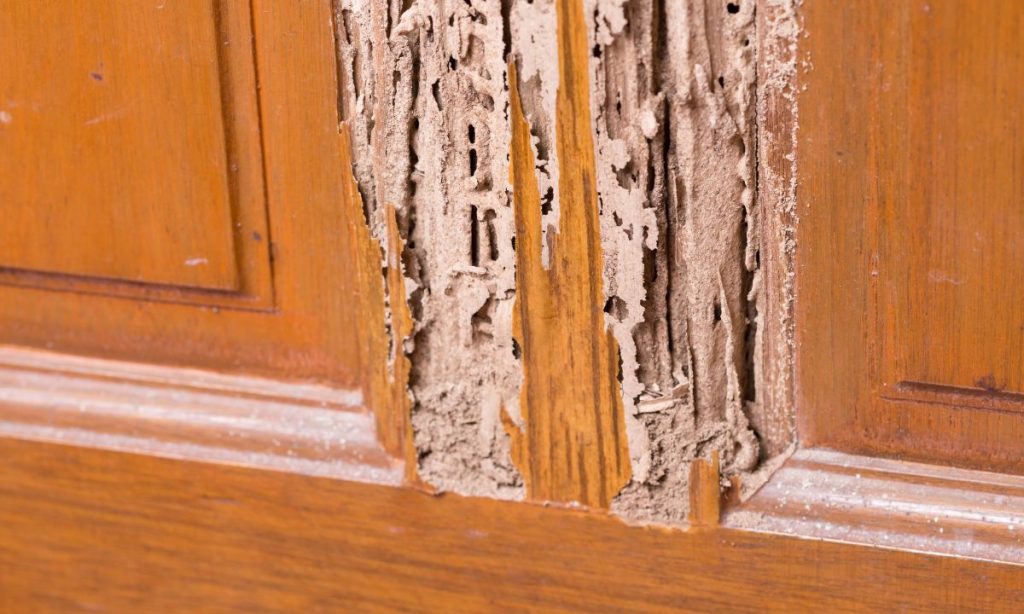
Termites are a significant concern for homeowners across the United States, and Washington state is no exception. These pests can cause substantial damage to structures, leading to costly repairs if not addressed promptly. Understanding termite activity in Washington is crucial for homeowners and property managers seeking to protect their investments. Introduction to Termites Termites are social insects that live in colonies and feed on cellulose-based materials, such as wood. They are known for their ability to cause significant structural damage to buildings. In Washington state, several types of termites are present, including subterranean, dampwood, and drywood termites. Contact ampmexterminators.com for pest control. Types of Termites in Washington State Termite Type Description Common Locations Subterranean Termites These termites live in soil and build mud tubes to reach wood. They are the most destructive type in Washington. Common throughout the state, including Seattle and Spokane. Dampwood Termites Prefer moist, decaying wood. Less likely to damage structures than subterranean termites. Found in damp environments, often near water sources. Drywood Termites Infest dry wood and do not require contact with soil. Rare in Washington, mostly found along the coast. Coastal areas, particularly in warmer regions. Termite Activity in Washington Termite activity is widespread in Washington state, with subterranean termites being the most prevalent. These termites are active throughout the year but tend to swarm during warmer, wetter periods. Understanding when and where termites are most active can help homeowners prepare for potential infestations. When Do Termites Swarm in Washington? Termites typically swarm in Washington during the following times: Signs of Termite Infestation Identifying termite activity early is crucial for minimizing damage. Common signs include: Termite Control Methods Effective termite control involves a combination of prevention strategies and treatment options. Here are some of the most effective methods: Prevention Strategies Treatment Options Cost of Termite Control The cost of termite control can vary significantly depending on the extent of the infestation and the treatment method chosen. Here is a rough estimate of costs: Treatment Method Cost Range Soil Treatment $500-$2,000 Baiting Systems $300-$1,500 Fumigation $1,000-$5,000 FAQs Conclusion Termites in Washington state pose a significant threat to property owners due to their ability to cause extensive damage. Understanding the types of termites present, recognizing signs of infestation, and implementing effective control methods are crucial for protecting homes and businesses. By combining prevention strategies with professional treatment options, homeowners can safeguard their properties against these destructive pests.
How Often Should You Get Pest Control in Seattle & King County? Residential & Commercial Guide
How Often Should You Get Pest Control in Seattle & King County? Residential & Commercial Guide AMPM Exterminators | Seattle & King County, WA | (206) 571 7580 | Serving Residential & Commercial Properties 7 Days a Week If you’ve wondered whether you’re overspending on unnecessary treatments or risking an infestation by waiting too long, you’re not alone. The right pest control frequency for a Seattle bungalow near Ravenna Park is completely different from a restaurant on Aurora Avenue, a warehouse in Kent, or a new construction home in Sammamish. This guide gives you a definitive answer broken down by property type, pest species, and the specific seasonal pressures that make King County different from everywhere else. Why Pest Control Frequency in Seattle & King County Is Different From the Rest of the Country Seattle’s marine climate changes the math on pest control scheduling. Here’s why: King County’s mild, wet winters mean pests that die off in colder climates ants, spiders, rodents remain active year-round in Seattle and its surrounding cities. There is no hard freeze that resets the clock. A carpenter ant colony in a Kirkland crawlspace is foraging in January. Norway rats in a Renton warehouse don’t slow down in December. Odorous house ants in a Bellevue kitchen are active 12 months a year. This means the national standard of “quarterly treatment” frequently under protects Seattle and King County properties and the guidance of “once a year is fine” that works in Phoenix or Minneapolis is genuinely inadequate here. The service frequency recommendations in this guide are calibrated for Western Washington’s actual climate and pest biology, not a national average. Pest Control Frequency for Seattle & King County Homeowners What Determines How Often Your Home Needs Pest Control? Four factors determine the right schedule for any residential property in Seattle or King County: 1. Proximity to Natural Pest Habitat Homes adjacent to greenbelts, forest edges, parks, wetlands, and waterways face continuous pest pressure that properties in open suburban settings do not. A home backing onto the Sammamish greenbelt or adjacent to a Shoreline park has fundamentally different pest exposure than a home in a dense neighborhood with no natural corridors nearby. Forest-adjacent and greenbelt-adjacent properties in King County typically need quarterly service regardless of past pest history. 2. Age and Construction of the Home Homes built before 1990 in King County cities like Kent, Renton, Auburn, and older Seattle neighborhoods have settled foundations, deteriorated sill plates, aging utility penetrations, and construction methods that left wood-to-soil contact. These properties have significantly more pest entry opportunities than newer construction. Older homes require more frequent service to maintain effective perimeter barriers. 3. Previous Pest History Past pest activity is the strongest predictor of future problems in Seattle and King County. If you have had carpenter ants, rodents, or subterranean termites in the last five years, a preventative maintenance program is not optional it is structural protection. The average cost of carpenter ant structural repair in King County far exceeds the cost of years of quarterly pest service. 4. Seasonal Pressure Specific to King County Western Washington has four distinct pest pressure seasons that should drive your service calendar: February–April: Carpenter ants emerge, termite swarmers appear, overwintered queens found new wasp colonies May–July: Ant activity peaks, rodents from greenbelts explore structures, spider populations build August–October: Wasps at peak aggression, rodents seek indoor shelter, spider mating season peaks November–January: Rodents fully indoors, cockroaches and stored product pests active in commercial settings, crawlspace moisture issues accelerate Recommended Pest Control Schedules for Seattle & King County Residential Properties Quarterly Service Every 3 Months Best for: Homes adjacent to greenbelts, parks, forest, or waterways anywhere in King County Properties in Seattle neighborhoods with mature tree canopy (Ravenna, Maple Leaf, Wedgwood, View Ridge) Homes that have had carpenter ants, rodents, or termites in the last five years Homes built before 1990 in Kent, Renton, Auburn, Burien, or older Seattle neighborhoods Properties with crawlspaces that have had moisture issues Any home where pets or children increase the sensitivity of pest activity What quarterly service covers in King County: Each visit reinforces the exterior perimeter barrier, inspects crawlspace and entry points for new activity, treats any emerging seasonal pest pressure before it becomes an infestation, and identifies new structural vulnerabilities. In King County’s climate, the gap between quarterly visits is long enough for new ant colonies to scout and establish but short enough to intercept them before damage begins. Why quarterly is the right investment for most King County homeowners: The cost of a single carpenter ant structural repair opening walls, treating the colony, replacing damaged framing typically runs $1,500 to $4,000 in King County. Annual quarterly service from AMPM Exterminators costs a fraction of a single remediation event. BiMonthly Service Every Other Month Best for: Suburban King County homeowners without immediate greenbelt exposure Homes built after 2000 with no prior pest history Homeowners who have had occasional seasonal ant or spider activity but no structural pest history Properties in newer King County developments in Sammamish, Issaquah, or Maple Valley where greenbelt proximity varies by lot Annual Service Once Per Year Best for: Newer construction in lower risk lots with no pest history Primarily inspection focused identifying whether conditions are changing before a problem develops Condominiums and townhomes where exterior perimeter management is handled at the building level Important note for Seattle & King County: Annual service is genuinely insufficient for most properties in this region. If you are considering annual service to save money, a bi annual inspection is a more appropriate minimum for Western Washington’s year round pest pressure. For Seattle pest control services on a schedule matched to your specific property, neighborhood, and pest history, call AMPM Exterminators at (206) 571 7580. How Often Should Commercial Properties in King County Get Pest Control? Commercial Pest Control Frequency Is Non Negotiable in King County For commercial properties in Seattle and King County, pest control frequency is not a budget decision it is a compliance and liability
Do Black Widow Spiders Live in Washington State? | King County Spider Control
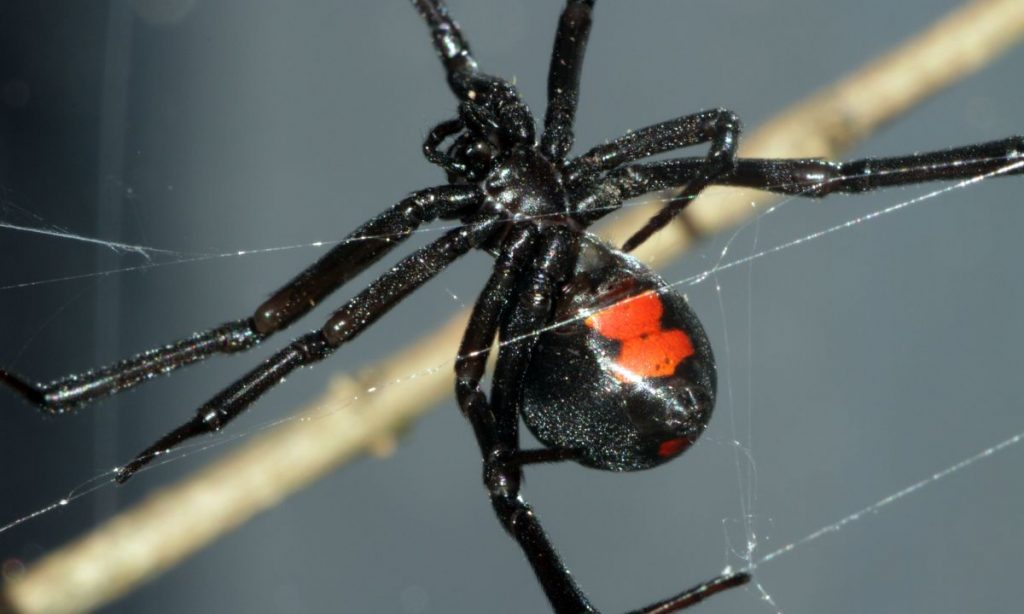
Yes, black widow spiders live in Washington State, but the risk to King County and Seattle area residents is very low. Black widows are common and established in eastern Washington particularly the Columbia Basin, Spokane, Yakima Valley, and Tri-Cities where the dry, hot climate suits them well. West of the Cascades, including Seattle, Bellevue, Renton, Kent, Kirkland, Redmond, Sammamish, Auburn, and Federal Way, confirmed black widow sightings are rare and isolated. Most dark spiders reported as “black widows” in King County turn out to be false black widows (Steatoda grossa), which are common here but far less dangerous. Unsure what spider you found? Text a photo to (206) 571 7580 for free identification AMPM Exterminators, King County’s local spider control specialists. Which Black Widow Species Live in Washington State? Two black widow species are present in Washington State. The western black widow (Latrodectus hesperus) is the more common of the two and the species a King County resident might theoretically encounter. It is identified by a complete, bright red hourglass marking on the underside of its shiny black, rounded abdomen. The northern black widow (Latrodectus variolus) is extremely rare in Washington, limited to isolated reports in eastern parts of the state, and is distinguished by a broken or fragmented hourglass rather than a solid one. For practical purposes, if you live in King County and you find a spider you believe to be a black widow, you are dealing with the western black widow and the odds are still very much in favor of it being a harmless lookalike rather than the real thing. Are Black Widows Common in Seattle and King County? Black widow spiders are not common in Seattle or King County. Confirmed sightings west of the Cascades are rare and isolated AMPM technicians serving King County typically encounter fewer than one verified black widow per year across thousands of service calls. The wet, mild climate of the Puget Sound region is not the preferred habitat of black widows, which thrive in warm, dry conditions. The geography matters here. Eastern Washington the Columbia Basin, Spokane, the TriCities, and the Yakima Valley has the dry summers, rocky terrain, and warm temperatures that black widows need to maintain established populations. King County’s average of 150 rainy days per year and moderate temperatures year-round create conditions that strongly favor other spider species: hobo spiders, giant house spiders, false black widows, and cellar spiders are all far more likely to be found in a Seattle-area home than a true black widow. This does not mean black widows are impossible west of the Cascades. They can survive in sheltered, dry microclimates south facing rocky slopes, the interior of woodpiles, utility boxes, and cluttered garages can provide the dry, protected conditions they prefer. But a King County resident should approach any dark spider with a much higher prior probability of it being a false black widow or giant house spider than a true black widow. How to Identify a Black Widow Spider in Washington A female black widow spider is identified by three features that appear together: a shiny jet black body, a rounded pea sized abdomen, and a bright red hourglass marking on the underside of that abdomen. Any spider missing all three of these features is not a true black widow. Size gives the first clue. Female black widows are 8–15 mm in body length with a leg span up to 1.5 inches medium sized for a spider, noticeably smaller than a giant house spider. The body is glossy, smooth, and a true jet black not dark brown, not gray-black, not mottled. The abdomen is distinctly round and bulbous. The definitive identification is the hourglass. It is on the underside of the abdomen you need to see the spider from below, which is why black widows hanging upside down in their web are the easiest to confirm. The hourglass is bright red or orange-red, clearly shaped, and contrasts sharply against the black abdomen. A marking that is pale, cream colored, orange without red, or fragmented is not the classic hourglass of a western black widow. Male black widows look entirely different from females: they are about half the size, brown or tan rather than black, and may have reddish or yellowish markings on the back rather than an hourglass. Males are also harmless their fangs are too small to deliver a medically significant bite to a human. The web is also diagnostic. Black widows build messy, irregular, three-dimensional tangle webs at or near ground level in dark, sheltered spots. This is different from the organized circular orb webs of garden spiders or the flat funnel webs of hobo spiders. If you see a chaotic, sticky, strong feeling web at ground level in a dark corner with a shiny black spider hanging in it that warrants a closer (careful) look. False Black Widow vs. True Black Widow: The Most Important Distinction in King County The false black widow (Steatoda grossa) is the spider King County residents most commonly mistake for a true black widow. It is common throughout Seattle and surrounding cities, lives in similar locations, and looks superficially similar but it is far less dangerous and has a distinctly different marking. False black widows are dark purple brown to black, with a rounded abdomen that can look nearly as smooth and dark as a true black widow at a glance. The key difference is the marking: false black widows have a pale cream, yellowish, or dull orange pattern on the abdomen sometimes crescent-shaped or mottled but never the bright, clean red hourglass of a western black widow. Under good light, the color difference is usually obvious. False black widows can bite if handled or cornered. Their venom causes localized pain and swelling similar to a bee sting, and occasionally mild systemic symptoms. They are not considered medically significant for healthy adults, though children and individuals with venom sensitivities should seek medical attention if bitten. Other common King County lookalikes include giant
How to Read Your Seattle Pest Inspection Report: A Homeowner’s Guide
You’ve just received your pest inspection report. Now what? The dozens of pages filled with technical terms, diagrams, and codes can feel overwhelming. This guide will help Seattle homeowners understand exactly what they’re reading, what’s critical, and what it means for protecting your home in neighborhoods from Ballard to Beacon Hill. Why Understanding Your Report Matters in Seattle In Seattle’s competitive housing market and damp climate, a pest inspection report isn’t just paperwork it’s a crucial document for: Decoding the Standard Sections of a Seattle Report 1. The Cover Page & Executive Summary What to look for: Pro Tip: The executive summary should give you the “big picture” in plain language. If it’s overly technical or vague, ask for clarification. 2. The Evidence & Findings Section This is often the longest part, filled with photos and descriptions. Understanding the Codes: Photo Evidence You Should See: 3. The Recommendation & Action Plan This section separates thorough inspectors from checklist-tickers. What Makes a Seattle Specific Plan: Red Flags in Seattle Pest Reports Warning Signs to Watch For: Comparing Multiple Inspection Reports If you’re buying a home in Shoreline or West Seattle, you might get multiple inspections. Here’s how to compare: Create a Simple Comparison Chart: Issue Found Inspector A’s Assessment Inspector B’s Assessment Estimated Repair Cost Carpenter Ants in Crawl Space “Active colony – Immediate treatment needed” “Old damage – No active insects observed” $800 – $1,500 Rodent Entry Points “3 primary entry points” “8 potential entry points” $300 – $800 per point The Seattle Reality: Different inspectors may highlight different issues based on their experience with local architecture. Special Considerations for Seattle Neighborhoods Historic Districts Ballard, Queen Anne, Capitol Hill: New Construction South Lake Union, Roosevelt: Waterfront & Hillside Properties Magnolia, West Seattle: From Report to Action: Your Next Steps For Home Buyers in Seattle’s Market: For Current Seattle Homeowners: For Seattle Sellers: When You Need a Professional Inspection Understanding a report is one thing getting a thorough inspection is another. For a comprehensive assessment of your Seattle home, from the foundation to the roof line, our detailed inspections provide the clarity you need. Ready to get a professional Seattle pest inspection?Visit our main Building Pest Inspections Service Page to learn about our process, technology, and Seattle-specific expertise. For urgent situations requiring same-day service:If you have an active infestation that needs immediate attention, our emergency team can help. Learn about our Emergency Pest Inspection Services. For commercial properties or pre-purchase inspections:Businesses and home buyers have specific documentation needs. Explore our Commercial & PrePurchase Pest Inspection Services. Seattle Specific Report Reading FAQ Q: How detailed should a Seattle pest inspection report be?A: For a standard single-family home, expect 15-30 pages including photos, diagrams, and specific recommendations. Condo reports may be shorter, while historic home inspections often run longer. Q: What’s the difference between “active infestation” and “conducive conditions”?A: “Active infestation” means pests are currently present. “Conducive conditions” are situations that could attract pests in the future (like wood touching soil in your Ravenna garden). Q: Should I get multiple inspections on the same Seattle property?A: It’s uncommon but can be wise for high-value properties or when the first report seems incomplete. Different inspectors may notice different issues in Fremont’s unique homes. Q: How long are pest inspection reports valid in Seattle?A: Typically 90 days for real estate transactions, as conditions can change seasonally. For your own knowledge, they’re valid until conditions change or work is completed. Q: Do Seattle inspectors guarantee their findings?A: Reputable inspectors stand by their reports but cannot guarantee they’ve found every single issue pests can be hidden. Look for companies offering report review or follow-up consultations. Found entry points? Don’t wait for rodents to find them too Call (425) 495-0306 for professional exclusion.