How Seattle Business Owners Can Protect Their Reputation With Commercial Pest Control
What Happens When a Pest Problem Goes Public? One roach on the counter. One mouse darting across the break room. One spider dangling above a customer’s table. One photo posted online. For Seattle business owners, that’s all it takes to trigger a wave of negative reviews that no marketing budget can undo. Pest infestations in commercial settings are not just a maintenance issue they are a direct threat to your bottom line, your health compliance record, and the trust your customers place in you every day. Whether you operate a restaurant in Capitol Hill, a warehouse in Kent, an office in Bellevue, or a retail shop in Renton, the question isn’t if pests will try to enter your building it’s whether you have a commercial exterminator in Seattle on your side before they do. The Real Cost of a Pest Infestation for Seattle Businesses 1. Property and Structural Damage Rats and mice do not simply occupy space they actively destroy it. Rodents gnaw through electrical wiring, HVAC insulation, drywall, and even load-bearing materials. Left unaddressed, rodent activity inside commercial buildings increases fire risk, triggers expensive emergency repairs, and can force temporary closures that interrupt operations and revenue. Carpenter ants and termites compound this risk in the Pacific Northwest, quietly weakening wooden structural elements for months before visible signs appear. A professional building structural pest inspection can identify early stage activity that untrained eyes routinely miss. 2. Health Code Violations and Legal Liability Seattle area businesses in food service, healthcare, childcare, and hospitality face strict Washington State Department of Agriculture and King County health code requirements. Cockroaches, rodents, and stored product insects are all vectors for pathogens including Salmonella, Listeria, and E. coli. A single failed health inspection tied to pest activity can result in fines, mandatory closures, and litigation consequences far exceeding the cost of a proactive commercial pest control contract in Seattle. 3. Online Reputation Damage That Outlasts the Infestation A pest sighting reported on Google, Yelp, or social media doesn’t disappear when the infestation is resolved. Those reviews remain indexed and visible to prospective customers researching your business. Studies show that more than 90% of consumers read online reviews before visiting a local business. One pest related review in your rating can shift purchase decisions at scale. The reputational cost of reactive pest control is almost always higher than the investment in scheduled commercial pest management services. Pest Threats Commonly Affecting Commercial Properties in King County Seattle’s temperate, wet climate creates year round pressure from several pest species that specifically target commercial environments: Norway rats and roof rats common in restaurants, grocery stores, warehouses, and multitenant office buildings throughout Seattle, Renton, Kirkland, and Redmond. Professional rat extermination in Seattle is essential for any business near waterways, transit corridors, or dense urban blocks. German cockroaches thrive in commercial kitchens, break rooms, and food storage areas. Highly resistant to amateur treatments and require professional grade cockroach control services using integrated pest management (IPM) protocols. Carpenter ants and odorous house ants Seattle’s moisture levels make commercial buildings especially vulnerable. Professional ant control addresses both the visible workers and the colonies hidden deep inside wall voids and structural wood. Hobo spiders, giant house spiders, and black widows all prevalent throughout King County and a common source of customer complaints and liability concerns. Spider extermination services treat both active populations and the conditions that attract them. Wasps and yellow jackets outdoor dining areas, loading docks, and building entryways across King County see significant pressure from late summer through fall. Timely wasp control and extermination prevents stinging incidents that put staff and customers at risk. Termites though often overlooked in the Pacific Northwest, termites remain a serious threat to commercial properties with wood framing or crawl space exposure. Termite pest control in Seattle addresses both active infestations and long term prevention. Stored-product pests weevils, beetles, and moths affect retail food businesses, hospitality operations, and commercial warehouses handling grain, dried goods, or packaged products. Ants in Seattle Commercial Buildings: A Bigger Problem Than Most Owners Realize Ant infestations are one of the most underestimated commercial pest problems in the Pacific Northwest. Because individual ants are small and often dismissed as a minor nuisance, many business owners delay treatment allowing colonies to grow to tens of thousands of workers before professional ant extermination is sought. Carpenter Ants: The Silent Structural Threat Carpenter ants are the most destructive ant species found in Washington State commercial properties. Unlike termites, they do not eat wood they excavate it to build nesting galleries. Moisture damaged framing, window sills, roof eaves, and wall voids in older Seattle commercial buildings are prime targets. A mature carpenter ant colony can cause significant structural damage over two to three years, and satellite colonies often spread to multiple locations within the same building. Signs of carpenter ant activity in commercial properties include: Odorous House Ants and Pavement Ants: Food Contamination Risks Smaller ant species pose a direct food safety risk to Seattle restaurants, grocery stores, commercial kitchens, and any business that handles consumable products. Odorous house ants form massive super colonies with multiple queens, making them exceptionally difficult to eliminate without professional ant control services in King County. Pavement ants routinely enter buildings through foundation cracks and follow grease or sugar trails into food prep and storage areas. For food service businesses subject to King County health inspections, ant activity near food contact surfaces constitutes a violation. Professional commercial ant control includes colony elimination, entry point sealing, and ongoing monitoring to prevent reinfestation. Spiders in Seattle Commercial Properties: When Webs Mean More Than a Cleaning Issue Spider sightings in a business are rarely dangerous in isolation but they are almost always a symptom of a larger pest problem. Spiders follow their prey, which means a visible spider population inside a commercial building typically indicates an underlying infestation of flies, ants, or other insects providing a food source. Addressing spider control in Seattle without treating that root cause leads to recurring activity. Why Seattle Businesses
Tiny Small House Little Kitchen Black Ants Control Removal Extermination Exterminators King County, WA
Black Ant Control for Small Kitchens & Tiny Homes – Exterminators in King County, WAThorough Inspection identify ant entry points and nest locations. Targeted Treatment Custom solutions based on your home size and infestation level. Preventive Sealing cracks and offer tips to prevent future problems. Follow-Up Support Guaranteed results, with optional check-ins. Request a Free Estimate TodayCall 206 571 7580 or fill out our quick form below to schedule your free black ant inspection door fast, friendly, and fully equipped. Don’t let ants take over your kitchen take action today Serving all of King County, WA tiny homes, ADUs, apartments, and small kitchens The Process of find Why You Should Be Concerned About Black Ants in King County, WA Black ants, also known as sugar ants or odorous house ants, are commonly found in King County. While they may seem harmless at first, they can quickly invade your home or business in search of food, water, and shelter. The problem is, black ants can be challenging to control once they’ve established a colony. The Main Issues with Black Ants: Effective Solutions from Local Exterminators for Black Ants in King County, WA 1. Inspection and Identification The first step in dealing with black ants is a thorough inspection. Professional exterminators in King County can assess the infestation’s scope and identify the species of ant. Knowing the exact species helps in determining the most effective treatment strategy. 2. Extermination Methods Once the infestation is identified, local exterminators for black ants will employ a combination of treatments, which may include: 3. Sealing Entry Points Preventing future infestations is a critical part of the pest control process. A professional exterminator will seal potential entry points around your home or business, such as: Sealing these areas helps block access to your property, reducing the chances of future infestations. 4. Long-Term Prevention and Maintenance Local exterminators in King County, WA, will not only eliminate the current infestation but also offer ongoing monitoring and maintenance plans. Regular inspections can help catch any new ant activity early and ensure your property remains ant-free. How to Choose the Right Local Exterminator for Black Ants in King County, WA When searching for local exterminators for black ants in King County, consider the following factors to ensure you’re choosing the best service for your needs: DIY Methods vs. Professional Extermination: What’s Best for Black Ants? While DIY methods like using ant baits, vinegar solutions, or essential oils may offer temporary relief, they typically don’t address the root cause of the problem. Professional exterminators in King County can identify the nest and eliminate the colony, offering more comprehensive and long-lasting results. Why Professional Extermination is Recommended: How Long Does It Take to Get Rid of Black Ants in King County? The timeline for getting rid of black ants can vary depending on the severity of the infestation and the methods used. With professional extermination services, you can expect to see a noticeable reduction in ants within a few days, but it may take a week or more to fully eradicate the colony and prevent future invasions.
Sugar Ant Control in Renton, WA Stop the Spread Before It Starts
Tiny black ants in your kitchen or bathroom? In Renton, it’s almost always sugar ants also known as odorous house ants. These pests don’t just show up for crumbs. They’re often a sign of hidden moisture and structural access points, especially in older homes or wooded neighborhoods. Without expert treatment, sugar ants quickly form satellite colonies and keep coming back. Why Renton Homes Are Prime Targets for Sugar Ant Infestations Renton’s humid climate, dense tree cover, and proximity to streams and ravines make it an ideal environment for sugar ants. We see major activity near Talbot Hill, Cascade, and the Highlands especially in homes with crawlspaces, outdated plumbing, or poor drainage. Once inside, ants follow plumbing lines, baseboards, and subfloor gaps straight to food and water. How We Treat Sugar Ants in Renton Homes & Businesses DIY sprays often make things worse. They kill visible ants but trigger the colony to break apart and relocate deeper into the structure. Our exterminators use bait systems, non-repellent treatments, and sealing strategies to eliminate nests and prevent re-entry. We tailor every Renton pest control plan to the home’s layout, ant behavior, and surrounding environment. Local Pest Control You Can Count On We’re not just ant specialists. Our integrated pest control services cover rodents, termites, spiders, roaches, and wasps all common threats to homes and commercial properties in Renton. Whether you’re managing a rental unit near downtown or a residential property off Benson Road, we offer fast, discreet, and long-term pest solutions. Request Your Sugar Ant Inspection in Renton Today Don’t wait for ants to spread behind your walls or into your tenants’ units. Our Renton pest control team offers same-week appointments and proven treatments that work. Call now to schedule a professional inspection and stop the infestation at the source. FAQ What attracts sugar ants to homes in Renton? Sugar ants are drawn to moisture and sweet food residue. Kitchens, bathrooms, and crawlspaces in Renton homes often provide ideal nesting and feeding areas. Do sugar ants cause structural damage? While sugar ants don’t chew wood like termites, their large colonies can spread behind walls, baseboards, and insulation, creating sanitation and infestation concerns. Will over-the-counter ant sprays get rid of sugar ants? DIY sprays may kill visible ants but often cause the colony to split and spread. Professional pest control targets nests and entry points for long-term elimination. How soon can you treat my property in Renton? We offer fast response times for homes and businesses in Renton. Contact us today to schedule an inspection and begin treatment within 24–48 hours in most cases. Are your treatments safe for kids and pets? Yes. We use targeted, low-toxicity products designed to safely treat sugar ant infestations while protecting your family, pets, and the environment.
Why Little Black Ants Keep Coming Back in Your Sammamish Kitchen
Why Little Black Ants Keep Coming Back to Your Sammamish Kitchen and the Fix That Actually Works Quick answer: Little black ants return after spraying because the species common to Sammamish kitchens the odorous house ant responds to repellent chemicals by splitting into multiple satellite colonies rather than dying. This is called budding. The only treatment that eliminates the full colony is slow-acting bait that worker ants carry back to the queen. Professional bait treatment by a licensed exterminator is the only reliable solution. There is a particular kind of frustration that hits Sammamish homeowners every March. The counters are clean. The dishwasher runs every night. The fruit bowl moved to the refrigerator after the first sighting. And still, every morning, a fresh line of tiny black ants threads along the same stretch of backsplash like nothing happened. Here is what is actually going on and why the spray you reached for first almost certainly made the situation worse. AMPM Exterminators has treated ant infestations across the Sammamish Plateau, Issaquah, Kirkland, Redmond, Bellevue, Renton, and Fall City for years. This page explains exactly what is happening in your kitchen, why Sammamish homes are specifically vulnerable, and what a proper treatment actually looks like from first inspection to colony elimination. For same day service call (425) 495 0306 or visit our ant control services page to request a free inspection. The Real Reason Ants Keep Coming Back After You Spray When you see an ant trail and reach for a can of Raid, the instinct makes sense. The spray kills the ants you can see. The trail disappears. But within 48 to 72 hours, more ants appear often from a different direction and in larger numbers than before. This is not a coincidence. It is documented ant biology. The species responsible for the vast majority of Sammamish kitchen ant problems is Tapinoma sessile the odorous house ant, commonly called a sugar ant. According to research published by Washington State University Extension, odorous house ants are both polydomous (multiple nest sites simultaneously) and polygynous (multiple queens per colony). When a colony detects a repellent chemical threat at a foraging trail, the queens initiate budding a deliberate survival strategy where the colony fractures into several smaller satellite colonies that relocate to unaffected areas nearby. What you killed was a foraging trail. What you created were three or four new nesting sites, each with its own queen, each capable of producing four to five new generations of workers per year. This is not a failure of effort. It is a predictable biological response to the wrong tool. What actually works: Slow acting gel or granular bait placed along active foraging trails. Worker ants carry the bait back to the queen as food. Because the active ingredient works slowly, workers make multiple trips before dying ensuring the entire colony, including all satellite nests and every queen, is eliminated from the inside out. Colony elimination takes one to four weeks, but it works where spray fails every single time. See our full breakdown of why ant spray makes odorous house ant infestations worse the same dynamic that hits Bellevue homeowners hits Sammamish even harder because of the specific construction type on the Plateau. For situations where you need someone today, our emergency ant service covers Sammamish and all Eastside cities with same day dispatch. Why Sammamish Homes Are Specifically More Vulnerable Than the Rest of King County Generic pest control content treats all of King County as one uniform problem. It is not. Sammamish has a distinct set of physical and environmental conditions that make ant infestations both more frequent and harder to eliminate than in older Seattle neighborhoods. If you have ever wondered why your neighbors in Seattle proper seem to have a milder ant problem despite similar habits, this is why. The Slab Foundation Problem The majority of homes on the Sammamish Plateau were built between 1995 and 2015 a construction window that heavily favored slab-on-grade foundations. Odorous house ants are strongly attracted to warm concrete perimeters. The slab retains heat from the day into the evening, creating an ideal nesting microclimate directly against your home. Over 20 to 25 years, tiny gaps open at expansion joints, utility penetrations, and the slab-wall transition. These are the entry highways that most homeowners never locate and that DIY spray never reaches. HOA Bark Mulch Beds Are Feeding the Problem Many Sammamish neighborhoods Trossachs, Timberline, Pine Lake, Beaver Lake Estates, Inglewood Station have HOA landscaping guidelines that favor bark mulch or wood chip beds running flush against the foundation. This is perfect ant habitat: moist, thermally stable, and within a few inches of your home’s interior. Ants nest in the mulch and commute in daily. Treating the kitchen without addressing the mulch bed is the professional equivalent of mopping the floor while the faucet is still running. Oregon State University’s Pacific Northwest Pest Management Handbook is explicit on this point: mulch beds against the foundation must be raked back before any exterior perimeter treatment can be effective. The Aphid Connection Nobody Talks About Here is the factor that no competitor page in this market mentions, because it requires actually knowing Sammamish landscapes: odorous house ants farm aphids. According to WSU Extension research on Tapinoma sessile, worker ants actively tend aphid colonies on ornamental plants for their honeydew a sugar rich secretion that serves as a primary food source. The dense ornamental shrub plantings common in Sammamish neighborhoods, kept lush by professional irrigation systems, are ideal aphid habitat. If aphid colonies are present in the foundation shrubs against your house, you have an outdoor food source sustaining the ant colony regardless of what you do inside. Treating the ants without inspecting those plants is treating the symptom while leaving the fuel in place. Plateau Moisture and Tree Canopy Sammamish sits at elevation with consistently higher rainfall and humidity than lower elevation Eastside cities. Dense Douglas fir and western red cedar canopy keeps soil moisture elevated well into summer. This environment
King County’s Annual Spring Ant Invasion Why It Happens And How to Stop It for Good
King County’s Annual Spring Ant Invasion Why It Happens (And How to Stop It for Good) Every spring, homeowners and businesses across King County report the same problem: tiny ants suddenly swarming kitchens, bathrooms, and commercial spaces. From Sammamish to Bellevue, Redmond to Renton, the calls for ant extermination spike in March and April and if you’re seeing ants this season, you’re not alone. This guide explains why ants invade, which species are most common in King County, and what you can do to stop them before they take over your home or business. Why Ants Invade in the Spring Ant activity increases dramatically when temperatures warm up and colonies wake from winter dormancy. Here’s why you’re seeing ants now: Even spotless homes and well-maintained businesses are vulnerable ants go wherever the environment is warm, wet, and food friendly. The Most Common Ants in King County Homes & Businesses Sugar Ants (Odorous House Ants) These small black ants are notorious for forming long trails into kitchens and pantries. They’re attracted to sweets, grease, and crumbs. Carpenter Ants Much larger than sugar ants, carpenter ants can hollow out damp wood to create nests — sometimes causing structural damage. Pavement Ants Usually nest under sidewalks and driveways, but can invade ground-level kitchens when populations grow. Learn More About Our Ant Control Process → Homeowner Spring Ant Prevention Checklist Seal Food: Store cereal, sugar, and pet food in airtight containers. Fix Leaks: Check under sinks and around appliances for water leaks. Wipe Trails: Clean counters and floors with vinegar solution to remove scent trails. Seal Entry Points: Caulk cracks around windows, doors, and foundation gaps. Trim Vegetation: Keep shrubs and tree branches from touching siding. Use Bait (Not Spray): Sprays can scatter colonies baiting is more effective. Business & Commercial Kitchen Checklist Daily Sanitation: Sweep, mop, and wipe down prep areas nightly. Seal Waste Bins: Keep dumpsters closed and far from building entrances. Employee Training: Teach staff to report sightings early. Professional Monitoring: Schedule seasonal inspections to avoid health code issues. Explore Commercial Pest Solutions → Eastside & King County Hotspots Sammamish: Ant trails inside outlets and baseboards Bellevue: Condo kitchens reporting sugar ant swarms Redmond: Commercial kitchens seeing fast infestations Issaquah: Outdoor patios and door trims attracting ants Kent & Renton: Warehouse and breakroom issues growing with spring warmth If you live or work in these areas, act early before ants establish permanent colonies inside your walls. When DIY Isn’t Enough If you’re still seeing trails after 48 hours of baiting, you may have a deeper nest issue requiring professional treatment. Request a Spring Ant Inspection → FAQs – Spring Ant Problems in King County Q: I sprayed ants last week why are they back?A: Sprays kill visible ants but don’t reach hidden colonies. Without baiting, they’ll just re-route and return. Q: Can ants really come through outlets or under dishwashers?A: Yes. Kitchens offer warmth and moisture ants often nest behind walls, under floors, and inside electrical outlets. Q: Should I treat now or wait until I see more?A: Spring is the best time to act before colonies expand. Waiting makes infestations harder to control. Q: Do businesses need professional monitoring?A: Yes. Regular inspections prevent surprise infestations that can lead to health code violations. Schedule Your Ant Inspection Today → Also Serving Bellevue, Sammamish, Redmond, Renton, Issaquah, Kent, Kirkland, and all of King County. Final Call to Action Don’t wait until ants take over your home or shut down your restaurant kitchen. AMPM Exterminators provides safe, targeted ant control with follow-up to ensure full colony elimination. Call 206-571-7580 Request Your Ant Inspection Online →
Should You Call a Pro to Deal with Big Carpenter Ants in Your House?
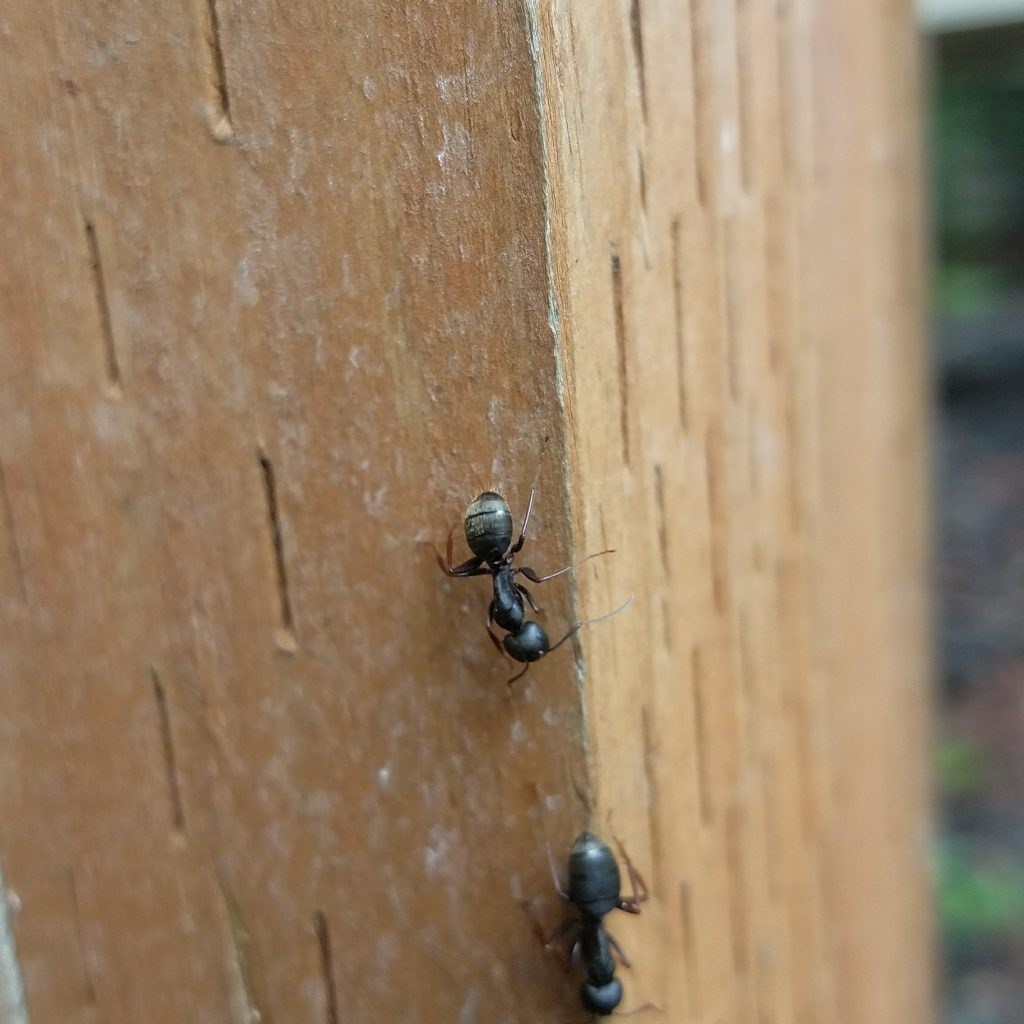
Should You Call a Pro to Deal with Big Carpenter Ants? | AMPM Exterminators Should You Call a Pro to Deal with Big Carpenter Ants? Noticing Large Ants Around Your Home? If you’re seeing big black ants near your windows, baseboards, or outside walls especially during spring you may be dealing with carpenter ants. These ants don’t eat wood like termites, but they chew through it to build massive satellite colonies inside homes. So when should you call in an exterminator? Here’s how to tell if your carpenter ant problem is more than just a few foragers. DIY vs. Pro Carpenter Ant Control What’s the Difference? For minor activity (a few visible ants), it’s fine to try bait or spot spray. But carpenter ants are experts at hiding in wall voids and structural areas. If the colony goes undetected, they can cause long term damage before you ever see a swarm. DIY Carpenter Ant Control Might Work If: You only see a few ants, usually outdoors or near food. No signs of frass (sawdust like debris). No clicking or chewing sounds in walls at night. You’ve identified and treated a small nest area. But Call a Pro Immediately If You Notice: Frass piles near baseboards or window frames Winged ants emerging inside the house Clicking/tapping sounds from walls Soft, sagging wood or unexplained moisture damage Carpenter ants often nest inside wall studs, eaves, attic insulation, and hollow doors and build multiple satellite colonies that spread quickly. How Pros Handle Carpenter Ants (What DIY Misses) Professional exterminators like AMPM use a multi step strategy to not just kill visible ants, but eliminate the hidden colony too. Species & Nest ID: We distinguish between carpenter ants and similar looking species (like field ants or pavement ants). Thermal or moisture detection: Pinpointing nests in hidden walls or damp beams. Gel baiting & perimeter spray: Baits are taken back to the queen the only way to kill the colony. Structural exclusion: We seal up likely entry points in crawlspaces, vents, and siding gaps. Carpenter Ant FAQs Q: What’s the difference between carpenter ants and termites? A: Carpenter ants chew through wood to build nests but don’t eat it. Termites consume wood. Both can cause structural damage. Q: How big is a carpenter ant colony? A: A mature colony may have 10,000 to 50,000 ants and multiple nest sites (satellites). Q: Can I wait and see if the problem goes away? A: Unfortunately, no. Ant colonies don’t collapse on their own they grow in silence until the damage is severe. Call AMPM Exterminators for Carpenter Ant Inspections Based in Seattle and serving all of King County, we offer fast, expert service for homeowners concerned about carpenter ant activity. 📞 206-571-7580 🔗 Request a carpenter ant inspection 🕒 Open 7 Days a Week | Licensed & Insured Also see: Sugar Ant & Little Black Ant Removal | Seattle Ant Extermination
Rats in the Walls? Stop King County Rodent Infestations Before They Cost Thousands
Every week, homeowners and businesses across King County call us in a panic: “I hear scratching in my walls.”“I just found droppings in my kitchen.”“Something chewed through my car wiring overnight.” If you live in Seattle, Bellevue, Sammamish, Redmond, or any Eastside city, you are in prime rodent territory. Mice and rats are more than just a nuisance they spread disease, chew through wires, and cause expensive structural damage if not stopped quickly. Why Rodent Problems Spike in King County Rodent activity surges in spring and fall as changing weather drives them indoors. Your home or business offers the perfect mix of warmth, food, and nesting material. Weather Shifts: Rain and cold drive rodents out of burrows. Food Access: Pet food, garbage bins, and pantries attract them. Entry Points: Gaps as small as ¼ inch allow mice inside. Even new construction homes and clean commercial kitchens aren’t immune if there’s a way in, rodents will find it. Signs of Rats or Mice in Your Walls Scratching or scurrying noises at night Droppings along baseboards or under sinks Chewed wires, insulation, or stored items Strong ammonia-like odor from urine Greasy rub marks on walls or beams If you notice one or more of these, you likely have an active infestation. DIY Prevention Checklist (Homes & Businesses) Take these steps today to reduce your risk: Seal Entry Points: Fill cracks with steel wool and caulk around pipes, vents, and foundations. Store Food Securely: Keep pet food and pantry items in sealed containers. Manage Garbage: Use lidded bins and take trash out regularly. Trim Vegetation: Keep shrubs and wood piles at least 12 inches away from the house. Fix Leaks: Standing water attracts rodents and pests. If you still hear activity after sealing and cleaning, you need a professional inspection. Professional Rodent Control in King County AMPM Exterminators provides full-service rodent control, not just traps. Our process includes: Detailed Inspection: Crawl space, attic, garage, and kitchen checks. Rodent Exclusion: Sealing all entry points so rodents can’t return. Baiting & Removal: Targeted stations that safely eliminate the colony. Sanitation & Odor Control: Cleaning droppings and contaminated insulation. Follow-Up: Ensuring your home or business stays rodent-free. Learn more about our Rodent Control Process » King County Cities We Serve Seattle (Wallingford, Ballard, West Seattle) Bellevue & Kirkland Sammamish & Issaquah Redmond & Bothell Kent, Renton & Tukwila Whether it’s a single-family home, condo HOA, restaurant, or warehouse we have plans for both residential and commercial clients. FAQs: King County Rodent Problems Q: Are rats dangerous?A: Yes they can carry salmonella, hantavirus, and other diseases. Learn about rodent cleanup safety here. Q: I hear scratching in my attic. What should I do first?A: Schedule a rodent inspection before they breed and cause wiring damage. Q: Do you offer same-day service?A: Yes, we offer emergency pest control in Seattle and King County. Act Fast Before Damage Spreads The longer you wait, the more costly the damage becomes. Droppings, chewed wires, and gnawed framing can lead to thousands of dollars in repairs. 📞 Call AMPM Exterminators today at 206-571-7580 for a same day rodent inspection in King County.Or request your inspection online »
Yarrow Point Pest Control Ant Infestations in Luxury Homes with Irrigation & Landscaping
Yarrow Point’s waterfront homes and landscaped estates may look pristine, but they’re highly vulnerable to little black ants and sugar ants. With irrigation systems, dense greenery, and moisture around siding, these properties create the perfect conditions for colonies to thrive outdoors and trail directly inside. Yarrow Point properties with heavy landscaping and irrigation systems are especially vulnerable to persistent ant infestations. Why Ants Target Yarrow Point Homes Irrigation and sprinklers keep soil damp, supporting ant colonies Extensive landscaping provides countless nesting sites Mulch and ground cover allow ants to expand unseen Cracks in foundations or siding give access indoors Kitchens, pantries, and wall voids become prime nesting zones once ants are inside Challenges in High-End Properties Ant colonies spread between landscaping and interior voids DIY sprays may kill visible ants but push colonies deeper into walls Luxury homes often have complex irrigation systems, crawlspaces, and larger square footage, requiring customized treatment Frequent entertaining and catering means kitchens can’t risk recurring infestations AMPM Exterminators’ Yarrow Point Ant Control Plans Detailed inspection of irrigation lines, landscaping edges, and home foundations Use of non-repellent baits carried by workers back to hidden queens Targeted crawl space treatments to protect against moisture-driven colonies Discreet indoor solutions for kitchens and pantries without disrupting residents Yarrow Point’s ant infestations are similar to Sammamish residential problems, but with the added challenge of landscaping and irrigation systems that sustain colonies year-round. For homeowners who want a deeper understanding of ant behavior across King County, visit our Complete Guide to Little Black Ant & Sugar Ant Removal. Call to Action If you’re a Yarrow Point homeowner tired of recurring ants in your kitchen or landscaping, call AMPM Exterminators at 206-571-7580 for proven residential ant extermination services in Yarrow Point. Looking for related solutions? Residential sugar ant problems in Sammamish Sugar ant extermination in Seattle homes Office building ant infestations in Bellevue
Does Homeowners Insurance Cover Termite Damage? The WA Homeowner’s Guide

The $11,000 Surprise: Why Your Home Insurance Won’t Cover Termite Damage And What Will If you’ve found this page, you’ve likely just had a chilling realization: the average termite damage repair in Washington State costs between $3,000 and $11,000, and your homeowner’s insurance almost certainly will not cover it. This isn’t a minor oversight it’s a standard exclusion in nearly every policy. Insurance is designed for sudden, accidental events like a fire or a burst pipe. Termite damage is considered a preventable maintenance issue, happening slowly over time. Explain exactly why you’re financially on the hook, how to spot damage early, and the single most effective way to protect your largest investment. The Fine Print: Understanding the Termite Exclusion How Much Could This Really Cost Me in King County? Termite damage isn’t just about replacing a few boards. The real cost comes from the extensive work required to fix the hidden structural damage they cause. Type of Repair Typical Cost Range in WA What It Involves Localized Damage $1,200 – $3,000 Replacing damaged sill plates, floor joists, or window frames. Significant Structural $5,000 – $15,000+ Replacing support beams, subflooring, and extensive wall framing. Tenting & Treatment $1,500 – $3,500 Eliminating the active colony, often required before repairs can begin. Total Rebuild Scenario $20,000+ In extreme cases where the structure is compromised. The 5 Silent Signs of Termites in Pacific Northwest Homes Since you can’t rely on insurance, early detection is your only financial defense. The Only Insurance Policy That Actually Works Against Termites The alternative to home insurance isn’t going without it’s proactive protection. A professional termite control plan is your true safeguard. It functions as a dedicated “termite insurance policy” that actually prevents the damage in the first place. FAQ: Termites and Insurance in Washington Q: I just found termite damage. What should I do first?A: 1.) Document the damage with photos. 2.) Call a licensed termite inspector for a full assessment. 3.) Get a detailed repair quote. 4.) Review your insurance policy with your agent, but manage your expectations. Q: Are certain homes in King County more at risk?A: Yes. Older homes pre1970, homes with crawl spaces, and those with wood to soil contact e.g., fence posts touching the house are at significantly higher risk. Q: What’s the difference between a $500 termite treatment and a $2,500 one?A: The cheap option is often a spot treatment that only addresses the area you can see. The comprehensive option includes a full inspection, soil treatment around the entire foundation, and often a warranty that includes damage repair. Don’t Risk a Five Figure Repair Bill The cost of being wrong is simply too high. A full termite inspection is a small price to pay for the certainty of knowing your home is safe. Schedule your Free Termite Inspection today. Our certified inspectors will provide a clear, honest assessment of your home’s risk and a transparent plan to protect it. Call (206) 571 7580 or visit our website to book online.
Understanding Rat Exterminator Costs: A Comprehensive Guide
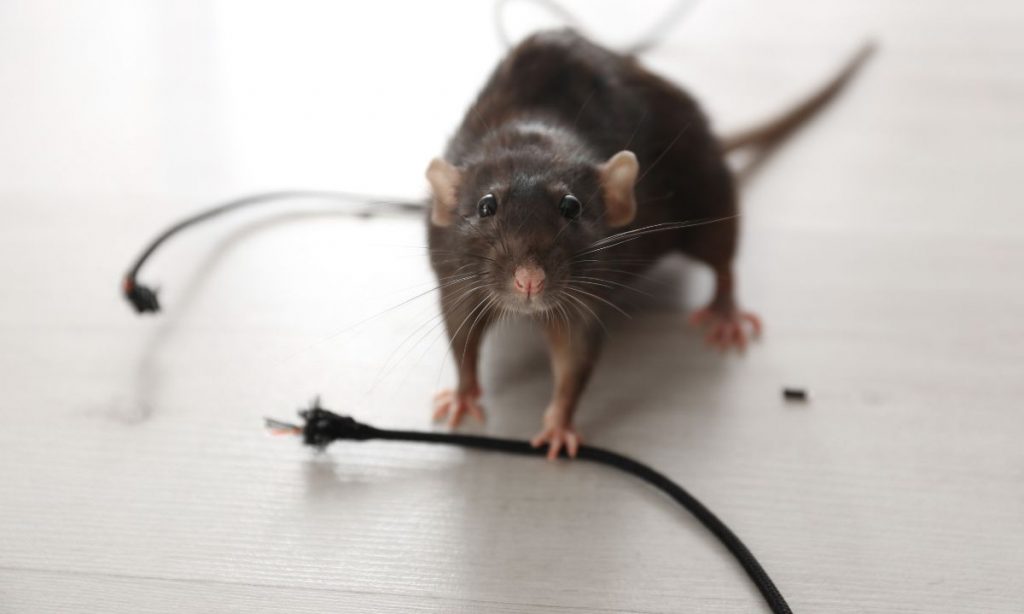
Rats can be a homeowner’s worst nightmare. Not only do they pose health risks, but they can also cause significant property damage. Understanding the costs associated with rat extermination is crucial for homeowners facing this issue. In this guide, we will explore the various factors that influence rat extermination costs, the different methods available, and what you can expect when hiring a professional exterminator. 1. Factors Influencing Rat Extermination Costs The cost of rat extermination can vary widely based on several factors, including: 2. Common Rat Extermination Methods There are several methods for rat extermination, each with its associated costs: Pest Control Method Cost Range Description Traps $150 – $600 Effective for small infestations; involves setting traps to catch rats. Bait Stations $200 – $500 Uses poison bait to lure and kill rats; requires careful placement. Fumigation $2,000 – $6,000 Involves sealing off the property and using gas to eliminate rats; best for severe infestations. Understanding these methods will help homeowners make informed decisions about their pest control options. 3. Average Costs of Rat Extermination On average, homeowners can expect to pay around $300 for rat extermination services. However, this can fluctuate based on the factors mentioned earlier. Here’s a breakdown of typical costs: Service Type Cost Range Basic Removal $150 – $400 Full-Service Remediation $200 – $700 Severe Infestation $1,000 – $1,200 It’s essential to get quotes from multiple exterminators to find the best price for your specific situation. 4. DIY vs. Professional Extermination While DIY methods may seem cost-effective, they often lack the effectiveness of professional services. Here’s a comparison: Aspect DIY Methods Professional Services Cost As low as $10 Starts around $150 Effectiveness Often insufficient Comprehensive and thorough Long-term Prevention Limited Includes preventative measures DIY traps and poisons can cost as little as $10 but may not address the root of the problem. In contrast, hiring a professional ensures a thorough inspection and effective treatment, potentially saving homeowners money in the long run by preventing further infestations. 5. FAQs 1. What is the average cost of rat extermination?The average cost ranges from $150 to $600, depending on the severity of the infestation. 2. How long does rat extermination take?The process can take anywhere from a few days to several weeks, depending on the infestation size. 3. Are there any guarantees with extermination services?Many companies offer guarantees, but it’s essential to clarify this before hiring a service. 6. Conclusion Understanding the costs associated with rat extermination is vital for homeowners. By considering the factors that influence these costs and the various methods available, you can make an informed decision about how to tackle a rat infestation. Always consult with professionals to ensure the best outcome for your home. This comprehensive guide not only outlines what you need to know about rat exterminator costs but also emphasizes the importance of addressing infestations promptly and effectively. For additional assistance or to schedule an inspection, consider reaching out to local pest control services like those offered by AMPM Exterminator. By being informed about your options and potential costs, you can better protect your home from these unwelcome pests while ensuring that your investment in pest control is worthwhile.