
How to Read Your Seattle Pest Inspection Report: A Homeowner’s Guide
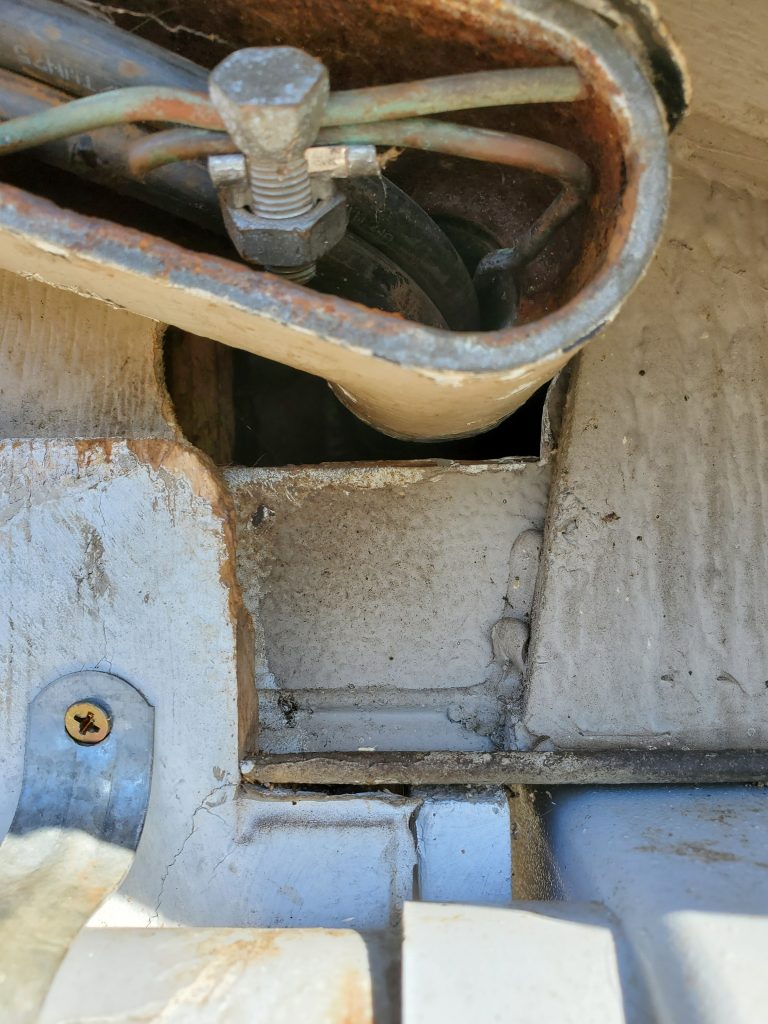
You’ve just received your pest inspection report. Now what? The dozens of pages filled with technical terms, diagrams, and codes can feel overwhelming. This guide will help Seattle homeowners understand exactly what they’re reading, what’s critical, and what it means for protecting your home in neighborhoods from Ballard to Beacon Hill. Why Understanding Your Report Matters in Seattle In Seattle’s competitive housing market and damp climate, a pest inspection report isn’t just paperwork it’s a crucial document for: Decoding the Standard Sections of a Seattle Report 1. The Cover Page & Executive Summary What to look for: Pro Tip: The executive summary should give you the “big picture” in plain language. If it’s overly technical or vague, ask for clarification. 2. The Evidence & Findings Section This is often the longest part, filled with photos and descriptions. Understanding the Codes: Photo Evidence You Should See: 3. The Recommendation & Action Plan This section separates thorough inspectors from checklist-tickers. What Makes a Seattle Specific Plan: Red Flags in Seattle Pest Reports Warning Signs to Watch For: Comparing Multiple Inspection Reports If you’re buying a home in Shoreline or West Seattle, you might get multiple inspections. Here’s how to compare: Create a Simple Comparison Chart: Issue Found Inspector A’s Assessment Inspector B’s Assessment Estimated Repair Cost Carpenter Ants in Crawl Space “Active colony – Immediate treatment needed” “Old damage – No active insects observed” $800 – $1,500 Rodent Entry Points “3 primary entry points” “8 potential entry points” $300 – $800 per point The Seattle Reality: Different inspectors may highlight different issues based on their experience with local architecture. Special Considerations for Seattle Neighborhoods Historic Districts Ballard, Queen Anne, Capitol Hill: New Construction South Lake Union, Roosevelt: Waterfront & Hillside Properties Magnolia, West Seattle: From Report to Action: Your Next Steps For Home Buyers in Seattle’s Market: For Current Seattle Homeowners: For Seattle Sellers: When You Need a Professional Inspection Understanding a report is one thing getting a thorough inspection is another. For a comprehensive assessment of your Seattle home, from the foundation to the roof line, our detailed inspections provide the clarity you need. Ready to get a professional Seattle pest inspection?Visit our main Building Pest Inspections Service Page to learn about our process, technology, and Seattle-specific expertise. For urgent situations requiring same-day service:If you have an active infestation that needs immediate attention, our emergency team can help. Learn about our Emergency Pest Inspection Services. For commercial properties or pre-purchase inspections:Businesses and home buyers have specific documentation needs. Explore our Commercial & PrePurchase Pest Inspection Services. Seattle Specific Report Reading FAQ Q: How detailed should a Seattle pest inspection report be?A: For a standard single-family home, expect 15-30 pages including photos, diagrams, and specific recommendations. Condo reports may be shorter, while historic home inspections often run longer. Q: What’s the difference between “active infestation” and “conducive conditions”?A: “Active infestation” means pests are currently present. “Conducive conditions” are situations that could attract pests in the future (like wood touching soil in your Ravenna garden). Q: Should I get multiple inspections on the same Seattle property?A: It’s uncommon but can be wise for high-value properties or when the first report seems incomplete. Different inspectors may notice different issues in Fremont’s unique homes. Q: How long are pest inspection reports valid in Seattle?A: Typically 90 days for real estate transactions, as conditions can change seasonally. For your own knowledge, they’re valid until conditions change or work is completed. Q: Do Seattle inspectors guarantee their findings?A: Reputable inspectors stand by their reports but cannot guarantee they’ve found every single issue pests can be hidden. Look for companies offering report review or follow-up consultations. Found entry points? Don’t wait for rodents to find them too Call (425) 495-0306 for professional exclusion.