
The Silent Invaders Are Dropping From Your Roofline: What Every Seattle Homeowner Needs to Know About Roof Rats in 2026
That scratching sound in your ceiling at 2 AM isn’t a ghost. It’s a colony of roof rats and they’re destroying your home from the inside out. You’re lying in bed, and you hear it again. Scratch. Scurry. Scratch. Something is moving in your attic. If you live in Seattle, Bellevue, Kirkland, or anywhere on the Eastside with mature trees, those sounds aren’t mice. They’re almost certainly roof rats the acrobatic climbers that are invading Pacific Northwest attics at record rates. And unlike their ground dwelling cousins, these pests don’t need ground-level entry points. They’re accessing your home 20 feet above ground, using tree branches, utility lines, and roofline gaps that you’ve never even seen from street level. Call (206) 571 7580 for expert roof rat inspection and elimination Licensed roof rat specialists | Attic exclusion experts | Same day emergency service available Why Roof Rats Are Exploding Across Seattle and the Eastside in 2026 Roof rat populations have increased 40% in King County over the past two years. Here’s why your neighborhood is particularly vulnerable. Seattle’s Urban Forest Creates Rat Highways Seattle and the Eastside have some of the highest tree canopy coverage of any major U.S. metropolitan area. While beautiful, mature trees create aerial pathways that roof rats use to access homes. Common scenarios we see daily: Maple or fir branches touching rooflines in Queen Anne, Capitol Hill, and Ballard Oak trees providing access to Eastside homes in Sammamish, Issaquah, and Woodinville Landscaping trees planted too close to structures in Bellevue and Redmond developments Power line corridors connecting properties in older neighborhoods Roof rats can leap 4 feet horizontally and climb any textured surface. A branch within 6 feet of your roofline is an open invitation. Pacific Northwest Climate Advantage Unlike harsh winter climates that naturally reduce rodent populations, Seattle’s mild winters allow roof rats to remain active year round. They don’t hibernate, don’t migrate, and continue breeding through winter months. Our attics provide: Warm, dry shelter (compared to outdoor nests) Protection from predators Abundant nesting material (insulation) Easy access to food (kitchens below) A single pair of roof rats can produce 40 offspring annually. In Seattle’s ideal climate, colonies grow exponentially without natural population controls. Aging Housing Stock with Vulnerable Access Points Many Seattle and Eastside homes were built 30-60 years ago when roof rat prevention wasn’t a construction priority. Common vulnerabilities we find during inspections: Gable vents without proper screening (standard in 1960s-1980s homes) Deteriorated soffit and fascia boards with gaps Roof to wall junctions with settling gaps Chimney surrounds without proper flashing Attic vents with damaged or missing screens Even newer construction isn’t immune. We regularly find roof rats in homes built within the last 10 years due to: Poor workmanship around roofline penetrations Gaps where utilities enter attic spaces Improperly installed attic ventilation systems Roof Rats vs Norway Rats: Why Identification Matters for Treatment Many homeowners don’t realize they have roof rats instead of Norway rats and this misidentification leads to failed DIY treatments. Physical Identification Roof Rats (Rattus rattus): Smaller, sleeker body (6-8 inches long, plus 7-10 inch tail) Tail is LONGER than head and body combined Large ears relative to head size Pointed nose Black, dark brown, or gray coloring Weight: 5-9 ounces Norway Rats (Rattus norvegicus): Larger, stockier body (7-9 inches long, plus 6-8 inch tail) Tail is SHORTER than head and body combined Small ears relative to head size Blunt nose Brown or gray coloring Weight: 12-16 ounces Behavioral Differences That Impact Treatment Roof Rats: Expert climbers, comfortable at heights Nest in elevated locations (attics, rafters, trees) Access homes from above Prefer fruits, nuts, seeds (but eat anything available) More cautious and trap shy than Norway rats Norway Rats: Poor climbers, stay at ground level Burrow underground (foundations, crawl spaces, landscaping) Access homes from below Prefer proteins and grains More aggressive toward traps and bait Why This Matters: Traps placed in crawl spaces won’t catch roof rats living in your attic. Ground-level bait stations won’t eliminate colonies nesting 20 feet above in your roofline. Species specific treatment placement is critical for success. For detailed information on Norway rats, see our guide on Norway rat exterminators in Seattle and King County. The Hidden Damage Roof Rats Cause in Seattle Attics Most homeowners don’t discover roof rat infestations until significant damage has occurred. Here’s what we find during attic inspections. Fire Hazard: Electrical Wiring Damage Roof rats have continuously growing incisors and must gnaw constantly to keep them manageable. Electrical wiring in attics is a primary target. Real damage we’ve documented: Romex wiring stripped of protective coating Live wires exposed in junction boxes Chewed through telephone and internet cables Damage to HVAC control wiring Compromised security system wiring In one Bellevue home, we found over 30 feet of electrical wiring damaged by a roof rat colony living in the attic for 8 months. The homeowner’s electrician estimated $3,500 in rewiring costs. According to fire investigation reports, rodent damage to wiring is implicated in 20-25% of fires with undetermined causes in residential structures. Insulation Destruction and Contamination Roof rats don’t just walk across your attic insulation they burrow into it, nest in it, and contaminate it with urine and droppings. What happens to your insulation: Compressed and tunneled through (loses R value effectiveness) Saturated with urine (creates persistent odor) Contaminated with droppings (health hazard) Shredded for nesting material Infested with parasites (fleas, mites) Impact on your home: Increased heating/cooling costs (damaged insulation loses efficiency) Indoor air quality issues (contamination in attic affects home) Health risks (hantavirus, salmonella in dried droppings) In severe cases, complete insulation removal and replacement is necessary a $2,000-6,000 expense depending on attic size. Our attic rat removal services on the Eastside address these issues comprehensively. Structural Wood Damage While not as aggressive as carpenter ants, roof rats gnaw on structural wood components: Roof rafters and trusses (creating weak points) Fascia and soffit boards (expanding entry points) Attic floor joists Sheathing around roof penetrations We’ve seen roof rats chew through 1inch thick
How to Control Rats in Homes or Businesses
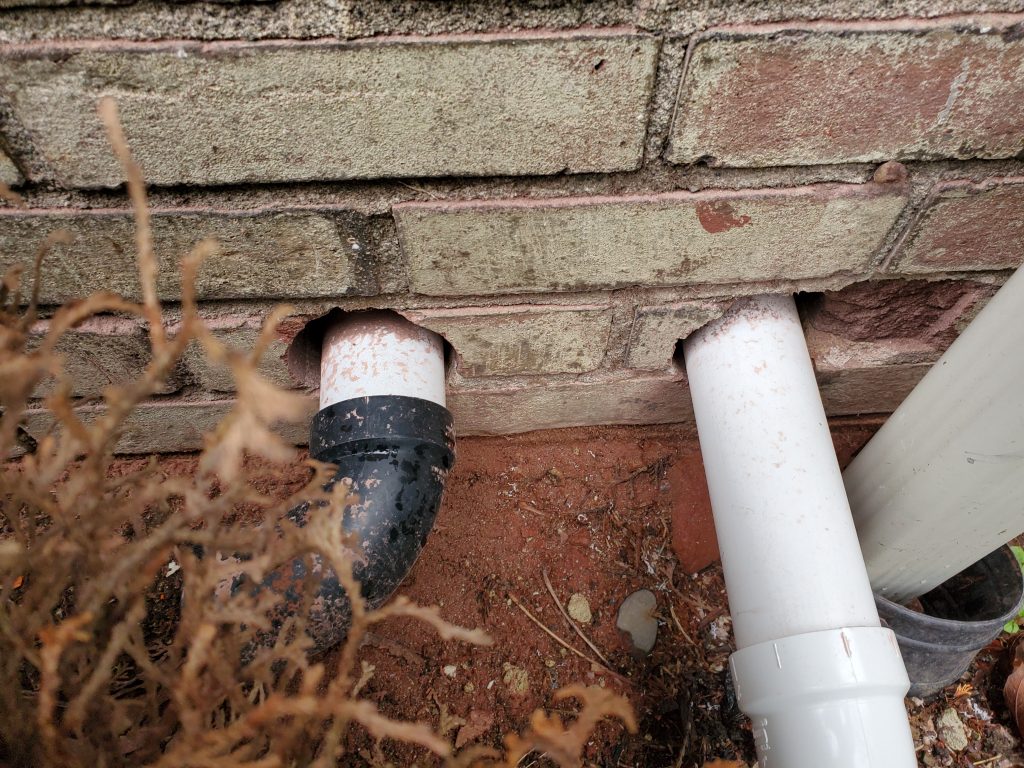
Rats are more than just an unpleasant sight; they pose significant health risks and can cause considerable damage to your home. Known carriers of diseases such as leptospirosis and hantavirus, these pests thrive in urban and suburban areas. Effective strategies to control and prevent rat infestations in your home. Identifying a Rat Infestation The first step in controlling rats is recognizing their presence. Here are some signs to look for: Health Risks Associated with Rats Rats can carry a host of diseases, including: Prevention Rats Control Tips 1. Seal Entry Points Rats can squeeze through openings as small as a quarter. Inspect your home for holes and gaps, particularly around: Use materials like steel wool or caulk to seal these entry points effectively. 2. Proper Food Storage Rats are attracted to food sources. To minimize this risk: 3. Waste Management Proper waste disposal is crucial in rat prevention. Follow these tips: 4. Maintain Your Yard Your yard can be a breeding ground for rats if not properly maintained. Here’s how to keep it rat-free: DIY Rat Control Methods If you notice signs of a rat infestation, consider these DIY control methods: 1. Traps 2. Natural Repellents 3. Baiting Techniques If using bait, ensure you’re handling it safely: When to Call Rat Control While DIY methods can be effective, some infestations may require professional intervention. Consider calling pest control if: Professional pest control services can provide thorough inspections and tailored solutions for your home. Controlling rats in your home is crucial for your health and safety. By taking preventive measures, recognizing signs of infestations early, and employing effective control methods, you can keep your home rat-free. Stay vigilant, and don’t hesitate to seek professional help if needed. Additional Resources For further information on rat control and prevention, consider checking out these resources: