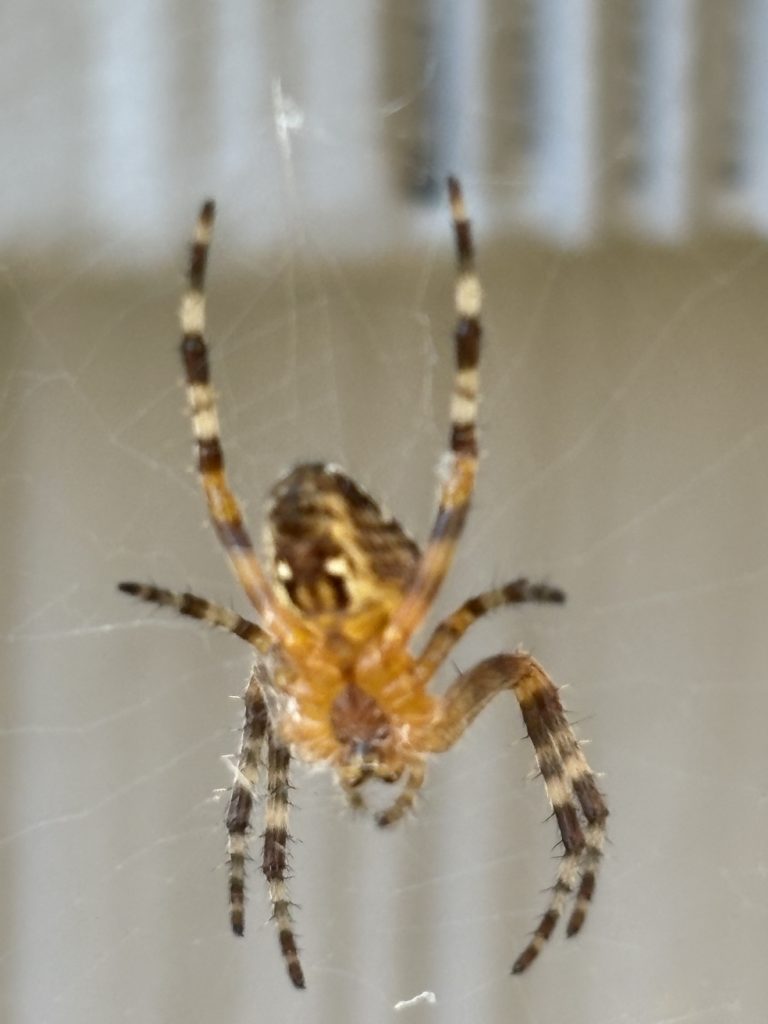
Most Seattle property owners homeowners and business operators alike treat spiders the same way: spray what they can see, remove the visible webs, and wait. Three weeks later the spiders are back, because the source was never touched.
A whole building spider extermination approach is fundamentally different. Instead of reacting to the spiders appearing in living spaces or customer facing areas, AMPM Exterminators traces activity back to where infestations actually originate the attic, the crawlspace, the wall voids, loading dock gaps, utility rooms, and the structural penetrations connecting the outside of a building to the inside and eliminates the problem there.
The result is not temporary reduction. It is a treated building where spider populations cannot rebuild.
AMPM Exterminators provides whole building spider extermination for residential properties and commercial facilities throughout Seattle and King County. Call (206) 571-7580 to schedule your free inspection.
Why a “Whole Building” Approach Is the Only Approach That Works in Seattle
Spider infestations in King County are structural problems, not surface level ones. The region’s average annual humidity exceeds 75%, mild winters keep both spiders and their insect prey active year round, and nearly every Seattle property whether a single family home, a restaurant, an office building, or a warehouse has at least one sustained harborage zone that surface sprays never reach.
When a homeowner sprays spiders in the kitchen, or a restaurant manager calls about webs in the dining room, they are treating individual spiders that have wandered out of hidden harborage zones the attic, the crawlspace, the utility room, the loading dock in search of food or mates. The colony, the egg sacs, and the insect population sustaining it remain entirely untouched.
A whole building treatment works from the source outward across three layers:
Source zones attic, crawlspace, wall voids, utility rooms, basement, and storage areas are treated first because this is where eggs hatch, populations build, and where the insects that feed spiders concentrate.
Transition zones stairwells, utility penetrations, interior thresholds, service corridors, and loading dock entries are treated to intercept spiders moving from harborage into occupied areas.
Occupied and perimeter zones living spaces, dining rooms, customer areas, exterior barrier receive applications that prevent reentry from the surrounding landscape and catch population members already inside.
Treating only one layer without the others is why spider problems return within weeks regardless of how thorough the visible treatment appeared. Whole building treatment closes all three layers simultaneously and documents the result for properties that require compliance records.
The Prey Insect Connection What Your Spider Problem Is Actually Telling You
Every whole building spider inspection at AMPM Exterminators includes a prey insect survey. This step is skipped by most companies and it is the most important diagnostic step in the entire process.
Spiders do not establish persistent populations in locations without a reliable food source. When spiders are present in your attic, crawlspace, warehouse racking, or restaurant utility room in significant numbers, they are there because the insects they eat are also present in significant numbers. Those insect populations are almost always driven by moisture, organic debris, food waste, or structural gaps allowing outdoor insects to concentrate indoors.
For commercial properties, the prey insect connection has a direct compliance implication. A spider inspection that uncovers a significant underlying fungus gnat, fly, or beetle population in a food service or healthcare facility identifies a concurrent pest issue that carries its own health code exposure separate from the spider problem that prompted the call.
The chain that whole building spider treatment addresses completely:
Moisture or food source → insect population → spider population → visible spiders in occupied areas
Treating only the spiders breaks the last link. Within one or two reproductive cycles, the spider population rebuilds because the food source was never disrupted. A complete whole building approach addresses the spider population and identifies the conditions sustaining the prey insects keeping spiders inside your property year after year.
Residential Whole House Spider Treatment Seattle & King County
What a Whole House Spider Treatment Covers
Attic Attics are one of the most frequently overlooked spider harborage zones in Seattle homes. Open soffit vents, gaps at the roofline, and the warm, undisturbed environment of an unconditioned attic create ideal year-round conditions. Treatment includes physical web and egg sac removal, targeted residual applications to framing and soffit areas, and an inspection of all vent screens and roofline penetrations allowing entry.
Crawlspace The highest density spider harborage zone in most Seattle homes. Cool, damp, and connected to the outside through foundation vents and utility penetrations, a Seattle crawlspace sustains year round populations of giant house spiders, hobo spiders, cellar spiders, and the ground level insects they feed on. Treatment includes a full moisture and structural assessment, physical removal of webs and egg sacs from the vapor barrier and floor joists, residual applications along the foundation perimeter and pier blocks, and identification of all active entry points. See our crawlspace pest control services for homes where moisture is identified as a root cause.
Basement Cellar spiders thrive here year-round due to consistent moisture. Hobo spiders concentrate at ground level and in unfinished basement wall corners. Yellow sac spiders use upper wall ceiling junctions for daytime harborage. Treatment targets each of these zones specifically because different species concentrate in different locations and respond to different application methods.
Garage Garages are a primary entry point for spiders moving from the exterior into the home. Gaps at the base of garage doors, deteriorating weatherstripping, and the wall gap between garage and living space are the three most common pathways. Treatment addresses the garage as a full zone including exterior door frame treatment, interior corner and rafter applications, and seal recommendations for identified gaps.
Interior living spaces Interior treatment is the final layer, not the first. Once source zones are treated, interior applications target spiders already inside the home and not yet reached by harborage zone treatment. This includes window frames, door thresholds, closets with exterior facing walls, and utility rooms.
Exterior perimeter barrier Applied to the foundation, door frames, window frames, and lower siding course to prevent spiders from the surrounding landscape from reentering between scheduled services.
Recommended Treatment Schedule for Seattle Homes
Late summer (August–September) is the highest impact service of the year before adult male giant house spiders and hobo spiders begin wandering in search of mates and entering living spaces at peak rates.
Spring (March–May) targets egg sacs from the previous fall that are beginning to hatch and spiderling populations dispersing through the structure.
Homes with high moisture, dense tree canopy, or significant structural gaps benefit from a third mid summer service. For more on Seattle’s specific spider species and seasonal patterns, see our Pacific Northwest spider identification guide.
Commercial Whole Building Spider Extermination Seattle & King County
Spider infestations in commercial properties carry consequences that go beyond the pest itself. A single spider sighting in a restaurant dining room, a guest room, a retail storefront, or a healthcare waiting area creates an immediate, visible trust problem. In regulated industries, it can trigger inspection findings, compliance citations, and in food service, temporary closure.
AMPM Exterminators designs commercial whole building spider programs around the specific operational constraints, regulatory requirements, and customer facing standards of each facility type not a residential protocol applied at commercial scale.
Restaurants and Food Service Facilities
Restaurant spider infestations are almost always sourced from the utility room, dry storage area, grease trap vicinity, or the gap between the back of house exterior wall and the building’s foundation. These are warm, moisture rich, insect dense environments that sustain spider populations regardless of how frequently the dining room and kitchen are treated.
Whole building spider treatment for food service facilities covers back of house source zones first utility rooms, dry storage, walk in cooler perimeters, and exterior delivery entry points then transitions to customer facing areas using products and application methods that comply with Washington State Department of Health food service facility requirements. Treatment scheduling works around operational hours, with service typically conducted before opening or after close to avoid service disruption.
Service documentation is provided for every visit in a format appropriate for health department inspection files.
Warehouses and Distribution Centers
Warehouses present the most complex spider habitat of any commercial building type in King County. High ceilings with exposed structural steel, dock doors that open and close dozens of times daily, racking systems that create thousands of undisturbed harborage pockets, and receiving areas where exterior insects enter with every delivery all of these factors combine to sustain spider populations that surface treatments cannot meaningfully reduce.
Whole-building warehouse spider programs address:
Loading dock perimeters and dock door seals the highest volume spider entry zone in most warehouse facilities. Racking systems both the upright frames and the horizontal beam connections where cellar spiders and giant house spiders build persistent webs. Ceiling and roof structure for facilities with unobstructed roof access, elevated harborage zones are treated rather than left as a continuous resupply source for lower level populations. Exterior perimeter a full building perimeter barrier applied to the foundation, dock door frames, and all utility penetrations.
For King County warehouses also managing rodent pressure, see our commercial exterminator services for Kent warehouses which combines spider, rodent, and insect control under a single program.
Office Buildings and Multi Tenant Commercial Properties
Office building spider complaints are concentrated in two zones: the ground floor exterior perimeter offices and conference rooms with exterior facing windows, and the below grade mechanical and utility spaces that sustain the population generating those upper floor sightings.
Whole building office spider treatment is structured to be completely non disruptive to tenant operations service is conducted in common areas, mechanical rooms, exterior perimeters, and parking structure entries outside of business hours when needed. Treatment documentation is provided in a format suitable for property management reporting and tenant communication.
For property management companies and HOA managed buildings managing spider complaints across multiple units, AMPM provides building wide programs with a single service contact and consolidated documentation. See our commercial pest control services for King County HOA and multiunit properties.
Retail Storefronts
Retail spider problems are almost entirely an entry point and exterior harborage issue. Spiders in retail storefronts are rarely establishing inside they are entering from the exterior through gaps at the storefront door threshold, HVAC penetrations, and the ceiling wall junction at the back of house.
Whole building retail treatment addresses the exterior storefront perimeter, all identified entry points, stockroom and receiving area harborage, and the interior perimeter of the sales floor. Scheduling is coordinated to avoid customer facing hours.
Healthcare, Medical, and Education Facilities
These facility types require product selection and application methods specifically compatible with their occupant population and regulatory environment not standard residential or general commercial formulations. AMPM Exterminators designs healthcare and education spider programs using products and application protocols appropriate for environments with vulnerable occupants, strict air quality standards, and state licensing requirements.
Service documentation is maintained in compliance with facility accreditation requirements.
Hotels and Hospitality Properties
Spider complaints in hotels generate the same outcome as any other visible pest: a review. Whole building hotel spider treatment covers guest room entries and baseboards on a scheduled rotation, exterior perimeter including pool equipment areas and landscaping edges, laundry and utility rooms, and parking structure entries. Service is scheduled during low occupancy periods and documented for property management records.
Signs Your Property Needs a Whole Building Spider Treatment
For homes and businesses alike, any of the following indicates that surface level treatment is no longer sufficient:
Webs returning in the same locations within one to two weeks of cleaning. Egg sacs visible in upper corners, behind stored items, or along baseboards. Large spiders appearing regularly in occupied or customer-facing areas. Spider activity in multiple rooms, floors, or zones simultaneously. Seasonal surges that worsen each year despite annual spraying. Any confirmed or suspected black widow activity black widows in Seattle concentrate in dry, undisturbed crawlspace corners, garage shelving, exterior decking undersides, and warehouse dock areas. A whole building inspection is the appropriate response to any confirmed sighting.
Why DIY and Single Zone Treatments Keep Failing
Consumer spider sprays and single zone treatments share the same fundamental limitation: they reach only the spiders that are visible, not the population in harborage zones that is generating the visible spiders.
For commercial properties, the problem is compounded by the fact that the source zone is typically a utility room, a crawlspace, or a receiving area that is not included in a standard pest control visit and the visible spiders appearing in customer facing areas are simply the forward edge of a population that has never been disturbed.
Professional whole building treatment resolves both the coverage problem and the prey insect problem simultaneously which is why results persist across seasons rather than weeks, and why commercial facilities under whole building programs do not cycle through repeated emergency call outs between scheduled services.
Frequently Asked Questions Seattle Whole Building Spider Exterminators
What is the difference between a whole building spider treatment and a standard pest control service?
A whole building treatment includes physical removal of webs and egg sacs in attic, crawlspace, basement, garage, utility room, and storage zones not only living or customer facing spaces. It includes a prey insect survey to identify the food source sustaining the spider population, targeted applications to each harborage zone based on species and conditions present, and entry point documentation. A standard service typically treats accessible interior surfaces and the exterior perimeter only, leaving source zones untouched.
How long does a whole building spider treatment take?
Most residential whole house treatments take two to four hours. Commercial facilities range from two hours for a small retail storefront to a full day for a large warehouse or multistory office building, depending on square footage and the number of zones requiring access.
Do I need to close my business during treatment?
Most commercial facilities do not require closure. Treatment is scheduled around your operational hours before opening, after close, or during low activity periods. For food service facilities, treatment timing and product selection comply with Washington State food safety requirements, and no service area is treated in a way that requires extended closure.
How often should a commercial property receive spider treatment?
Most Seattle commercial properties benefit from quarterly whole building service, with an additional targeted treatment in late summer before the fall wandering peak. High traffic facilities restaurants, hospitality, and healthcare typically maintain monthly service for consistent documentation and rapid response to any new activity between visits.
Do you provide service documentation for health inspections and property management?
Yes. AMPM Exterminators provides detailed service reports for every commercial visit, including species identified, zones treated, products applied, entry points documented, and technician findings. Documentation is provided in a format suitable for health department inspection files, property management reporting, and tenant communication.
Which Seattle neighborhoods and King County cities do you serve?
AMPM Exterminators serves all of King County for both residential and commercial whole building spider extermination: Seattle, Bellevue, Renton, Kirkland, Redmond, Kent, Federal Way, Sammamish, Shoreline, Bothell, Issaquah, Mercer Island, Newcastle, Maple Valley, Auburn, Burien, Tukwila, and surrounding communities.
Schedule Your Whole Building Spider Inspection Residential or Commercial
AMPM Exterminators provides free inspections for residential and commercial properties throughout Seattle and King County. Same week appointments are available for active infestations.
(206) 571-7580 ampmexterminators.com
Related pages:
- Pacific Northwest Spider Identification Guide King County WA
- Seattle Attic & Basement Spider Extermination
- Crawlspace Pest Control & Moisture Management
- Commercial Pest Control King County WA
- Free Pest Inspection Seattle & King County
- Seattle Ant Control Services
AMPM Exterminators | Licensed & Insured | Serving King County Since 2005 (206) 571-7580 | info@ampmexterminators.com | ampmexterminators.com Seattle · Bellevue · Renton · Kirkland · Redmond · Kent · Federal Way · Sammamish · Shoreline · Bothell · Issaquah · Mercer Island · Newcastle · Auburn · Burien · Tukwila