You’ve just received your pest inspection report. Now what? The dozens of pages filled with technical terms, diagrams, and codes can feel overwhelming. This guide will help Seattle homeowners understand exactly what they’re reading, what’s critical, and what it means for protecting your home in neighborhoods from Ballard to Beacon Hill.
Why Understanding Your Report Matters in Seattle
In Seattle’s competitive housing market and damp climate, a pest inspection report isn’t just paperwork it’s a crucial document for:
- Negotiating repairs when buying a Queen Anne Victorian
- Prioritizing maintenance for your Green Lake bungalow
- Documenting conditions for insurance in West Seattle’s older homes
- Planning preventive measures against our region’s specific pests
Decoding the Standard Sections of a Seattle Report
1. The Cover Page & Executive Summary
What to look for:
- Inspection Date: Seattle’s pest activity changes dramatically by season (fall rodent migrations, spring ant swarms)
- Property Address: Specific neighborhood matters Capitol Hill vs. Magnolia have different common pests
- Overall Risk Assessment: Usually coded (Low/Moderate/High/Critical)
- Inspector’s License Number: Should be a valid WA State Department of Agriculture license
Pro Tip: The executive summary should give you the “big picture” in plain language. If it’s overly technical or vague, ask for clarification.
2. The Evidence & Findings Section
This is often the longest part, filled with photos and descriptions.
Understanding the Codes:
- WDI (Wood-Destroying Insects): Carpenter ants, moisture ants common in Phinney Ridge’s older homes
- Rodent Evidence: Look for specifics “Norway rat” vs. “house mouse” require different exclusion approaches
- Conducive Conditions: These are future risks, not current infestations (wood to soil contact in Columbia City gardens, excessive mulch against foundations)
Photo Evidence You Should See:
- Clear, well lit photos of any damage or evidence
- Photos should be labeled with location “North foundation wall,” “Attic above garage”
- Close ups of droppings, frass (sawdust-like material), or damage
3. The Recommendation & Action Plan
This section separates thorough inspectors from checklist-tickers.
What Makes a Seattle Specific Plan:
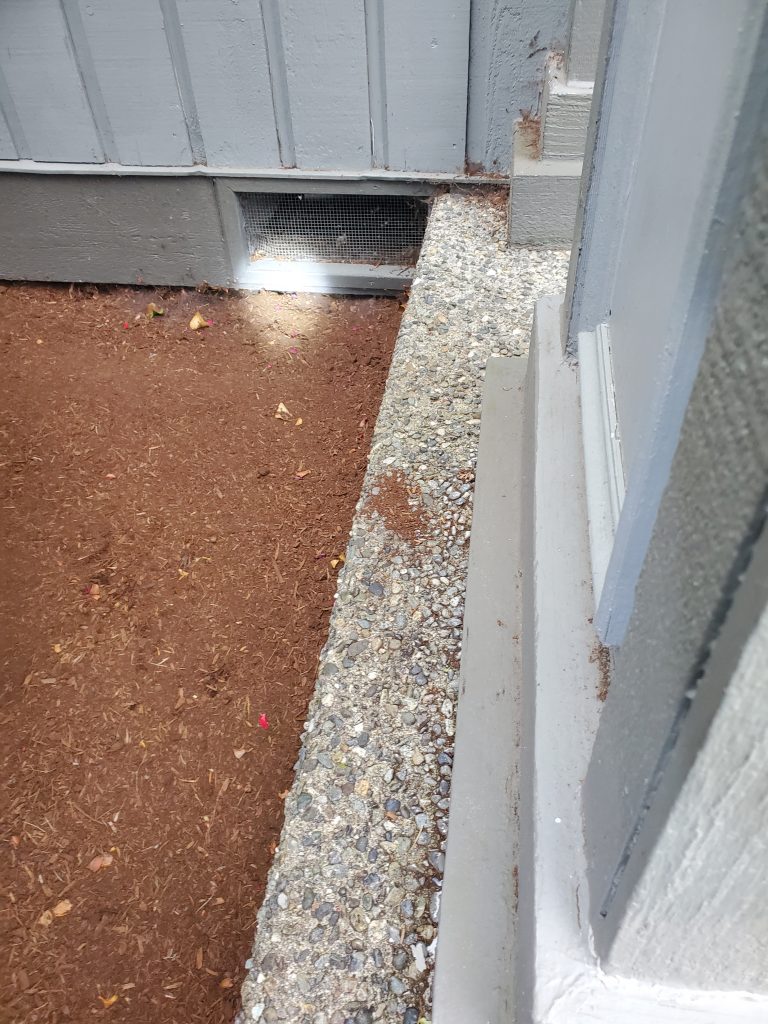
- Material Recommendations: Specific to our climate (copper mesh instead of steel wool that rusts)
- Seasonal Timing: “Complete rodent exclusion before October’s fall migration”
- Local Contractor References: For structural repairs often needed in Ballard’s vintage homes
- Priority Levels: Immediate (30 days), Seasonal (before winter), Monitoring (ongoing)
Red Flags in Seattle Pest Reports
Warning Signs to Watch For:
- Vague Language: “Evidence of possible rodent activity” without photos or specifics
- No Neighborhood Context: Recommendations that don’t consider your specific Seattle area
- Missing Technology: No thermal imaging or moisture meter readings (critical in our damp climate)
- Overly Alarmist Language: Trying to create urgency without evidence
- Lack of Prevention Advice: Only addressing current problems, not future risks
Comparing Multiple Inspection Reports
If you’re buying a home in Shoreline or West Seattle, you might get multiple inspections. Here’s how to compare:
Create a Simple Comparison Chart:
| Issue Found | Inspector A’s Assessment | Inspector B’s Assessment | Estimated Repair Cost |
|---|---|---|---|
| Carpenter Ants in Crawl Space | “Active colony – Immediate treatment needed” | “Old damage – No active insects observed” | $800 – $1,500 |
| Rodent Entry Points | “3 primary entry points” | “8 potential entry points” | $300 – $800 per point |
The Seattle Reality: Different inspectors may highlight different issues based on their experience with local architecture.
Special Considerations for Seattle Neighborhoods
Historic Districts Ballard, Queen Anne, Capitol Hill:
- Expect findings about old structural damage, previous treatments
- Look for inspector experience with vintage construction methods
- Moisture management is often the root cause of pest issues
New Construction South Lake Union, Roosevelt:
- Construction gap findings are common and expected
- Modern materials synthetic stucco, engineered wood have different vulnerabilities
- Landscaping may not be mature enough to reveal pest attractants
Waterfront & Hillside Properties Magnolia, West Seattle:
- Special attention to drainage and moisture control
- Unique wildlife pressures (raccoons, bats in addition to rodents)
- Foundation settling can create new entry points over time
From Report to Action: Your Next Steps
For Home Buyers in Seattle’s Market:
- Review the “Immediate Concerns” section first these may be repair request items
- Get Repair Estimates from licensed contractors (not just the inspection company)
- Understand Seattle’s Norms: Some findings (minor rodent evidence in older homes) may be expected
- Use the Report Wisely: As negotiation leverage, not as a deal-breaker for minor issues
For Current Seattle Homeowners:
- Create a Priority List based on the report’s recommendations
- Budget Seasonally: Seattle’s pest pressures follow predictable patterns
- Consider Preventative Measures even if no active infestation exists
- File the Report with your home maintenance records for future reference
For Seattle Sellers:
- Address “Immediate” Items before listing your home
- Provide the Report to potential buyers to build transparency
- Get a PreListing Inspection to avoid surprises during the sale process
When You Need a Professional Inspection
Understanding a report is one thing getting a thorough inspection is another. For a comprehensive assessment of your Seattle home, from the foundation to the roof line, our detailed inspections provide the clarity you need.
Ready to get a professional Seattle pest inspection?
Visit our main Building Pest Inspections Service Page to learn about our process, technology, and Seattle-specific expertise.
For urgent situations requiring same-day service:
If you have an active infestation that needs immediate attention, our emergency team can help. Learn about our Emergency Pest Inspection Services.
For commercial properties or pre-purchase inspections:
Businesses and home buyers have specific documentation needs. Explore our Commercial & PrePurchase Pest Inspection Services.
Seattle Specific Report Reading FAQ
Q: How detailed should a Seattle pest inspection report be?
A: For a standard single-family home, expect 15-30 pages including photos, diagrams, and specific recommendations. Condo reports may be shorter, while historic home inspections often run longer.
Q: What’s the difference between “active infestation” and “conducive conditions”?
A: “Active infestation” means pests are currently present. “Conducive conditions” are situations that could attract pests in the future (like wood touching soil in your Ravenna garden).
Q: Should I get multiple inspections on the same Seattle property?
A: It’s uncommon but can be wise for high-value properties or when the first report seems incomplete. Different inspectors may notice different issues in Fremont’s unique homes.
Q: How long are pest inspection reports valid in Seattle?
A: Typically 90 days for real estate transactions, as conditions can change seasonally. For your own knowledge, they’re valid until conditions change or work is completed.
Q: Do Seattle inspectors guarantee their findings?
A: Reputable inspectors stand by their reports but cannot guarantee they’ve found every single issue pests can be hidden. Look for companies offering report review or follow-up consultations.
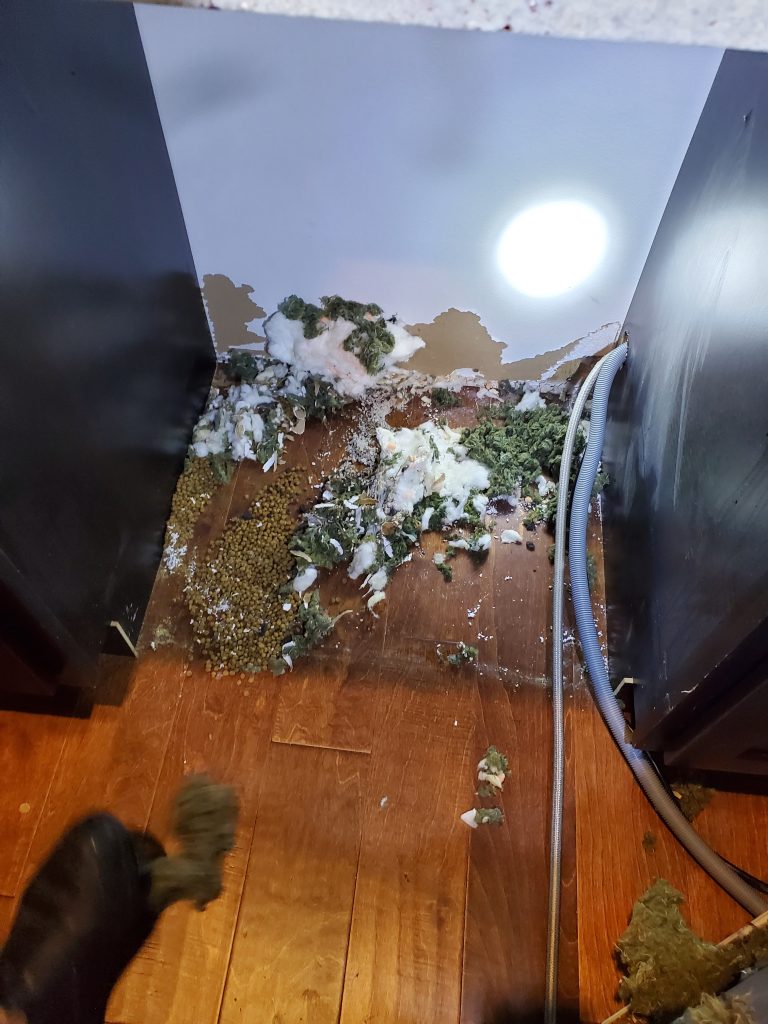
Found entry points? Don’t wait for rodents to find them too Call (425) 495-0306 for professional exclusion.