
Warehouse Pest Control in Kent, WA | Rodent & Bird Exterminators for Distribution Centers
Kent Warehouse Pest Control: Audit Proof Protection for the Green River Valley In Kent’s logistics heartland, a single pest is not a nuisance it’s a business critical event. Rodent contamination can trigger a six figure recall. Bird droppings can halt shipping operations. A failed FDA or AIB audit can end a major client contract. AMPM Exterminators provides industrial grade pest management engineered for the scale, complexity, and zero tolerance compliance standards of Kent’s warehouse and distribution sector. The 3 Point Failure Analysis of Generic Pest Control for Warehouses Our Industrial Protocol: The Facility Vulnerability Audit & Defense System Phase 1: The Forensic Risk AssessmentBefore any treatment, we perform a non-disruptive audit. Our specialists, certified in audit compliance standards, analyze: Phase 2: The Targeted Elimination & FortificationWe implement military-grade solutions tailored to warehouse environments: Phase 3: The Compliance Dashboard & ReportingYou receive a Digital Command Center, not just a paper report. This includes: Kent Warehouse Case Study: From Audit Failure to “Superior” Rating Service Tiers for Kent’s Industrial Scale Protect Your Kent Warehouse Operation TodayYour inventory and contracts are too valuable to leave to chance.Call our Industrial Division: (206) 571 7580 Serving Kent’s Industrial Core: Green River Valley, West Valley Highway, SR 167 corridor, and all logistics parks.
Pacific Northwest Spider Identification & Control: What Seattle and King County Homeowners Actually Need to Know
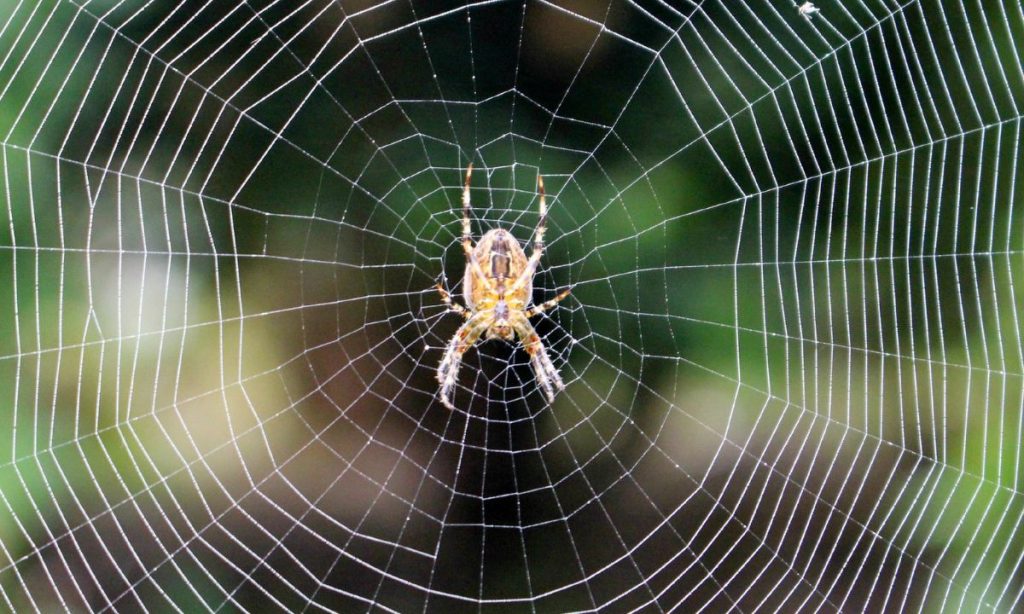
Why Washington State Has More Spider Activity Than Most of the Country Washington State’s temperate maritime climate mild winters, wet springs, long humid summers creates one of the most productive spider habitats in North America. Unlike northern states where hard freezes suppress arthropod populations for months, King County and the greater Puget Sound region sustains spider activity twelve months per year. Ambient insect populations that would collapse under a hard winter remain viable through Seattle’s mild, wet winters, providing spider food sources that keep indoor populations active in every season. The result is that Pacific Northwest homeowners encounter spiders indoors at a frequency that surprises people relocating from colder climates. What appears to be a seasonal problem is, in western Washington, a structural one and professional spider control in Seattle and King County addresses both the spiders and the conditions that make a building continuously hospitable to them. This guide covers every spider species you are likely to encounter in a western Washington home or business, what the science actually says about their risk, how to tell them apart, when to treat independently, and when to call a licensed spider exterminator. Spider Season in the Pacific Northwest: When and Why Activity Spikes Spider activity in western Washington follows a predictable pattern that every homeowner in Seattle, Renton, Bellevue, Kirkland, and King County’s rural Eastside should understand. Spring (March–May): Egg sacs laid the previous fall begin hatching. Spiderling populations disperse throughout the structure from overwintering harborage. Activity is distributed across the building rather than concentrated in visible zones. Summer (June–August): Populations mature and establish feeding territories. Outdoor webs become prominent in garden areas, eaves, and entry points. Interior populations build in crawlspaces, basements, and wall voids where prey insects are concentrated. Fall (August–October): The most visible and high contact season for most western Washington homeowners. Adult male giant house spiders and hobo spiders leave their established webs to wander in search of mates, entering living spaces through gaps at an elevated rate. This is the season when spider sightings in kitchens, bathrooms, and bedrooms peak sharply. The same temperature differential that draws rodents into structures in fall draws spiders warmth, shelter, and abundant indoor prey insects. Winter (November–February): Indoor populations persist wherever prey is available. Crawlspaces, garages, and utility areas with insect activity remain active spider zones year round. Outdoor populations reduce but do not disappear in King County’s mild winters. Understanding this cycle is important for timing spider extermination treatment in King County. Treating in late summer before the fall wandering peak is significantly more effective than treating reactively once spiders are already visible throughout living areas. Complete Pacific Northwest Spider Identification Guide Giant House Spider Eratigena atrica What it looks like: The largest house entering spider in Washington State, with a leg span frequently exceeding three inches and occasionally reaching four inches in mature males. Body color is warm brown to tan with faint lighter chevron markings across the abdomen. The most diagnostic feature at a distance is movement giant house spiders are exceptionally fast over short distances, which is the primary reason encounters generate alarm disproportionate to the species’ actual risk. Where it lives: Giant house spiders construct flat funnel webs in undisturbed low areas behind stored boxes, under basement stairs, inside crawlspace framing, in garage corners, and along foundation walls. The funnel narrows into a retreat tube where the spider rests. Males abandon their webs in fall to wander in search of females, which is when the species is most commonly encountered in open living areas. Medical significance: None. Giant house spiders are not aggressive and do not bite in ordinary circumstances. Their venom produces at most localized irritation in the rare event of a bite. The species’ imposing size is the source of most concern the risk itself is negligible. When it becomes a problem: When wandering males repeatedly enter living spaces, when established webs accumulate in crawlspaces and basements in large numbers, or when the presence of giant house spiders in a commercial or hospitality setting creates customer facing concerns. The spider’s presence at high density also indicates a substantial underlying insect population providing the food source sustaining them a signal that broader pest control in Seattle and King County may be warranted. Hobo Spider Eratigena agrestis What it looks like: Medium sized with a leg span of one to two inches. Brown body with a distinctive herringbone or chevron pattern across the dorsal abdomen a pattern that distinguishes it from the giant house spider when the specimen is stationary and can be examined closely. Hobo spiders also construct flat funnel webs, which makes visual distinction from the giant house spider at a distance difficult for non specialists. Where it lives: Basements, crawlspaces, window wells, wood piles, and undisturbed low areas throughout western Washington. The hobo spider is particularly abundant in older Seattle neighborhoods with unfinished basements and wood frame crawlspaces, and in rural King County properties where outbuildings and debris piles provide abundant harborage. The scientific record on venom: This requires careful accuracy. Earlier research attributed necrotic skin lesions to hobo spider bites, and the species was listed as medically significant by the CDC. Subsequent research including controlled studies that could not replicate necrotic effects revised this classification significantly downward. The CDC no longer lists hobo spiders as a species of medical concern, and necrotic wounds previously attributed to hobo spider bites are now understood to more commonly result from bacterial infections, brown recluse bites (a species not established in Washington State), or other causes. A hobo spider bite may produce localized pain and redness comparable to a bee sting. It does not produce the tissue destruction previously attributed to it in popular accounts. That said, positive identification of a hobo spider versus a giant house spider requires close examination, and any unidentified medium to large brown funnel web spider encountered in a Washington State crawlspace or basement warrants cautious handling. When it becomes a problem: Dense populations in crawlspaces, basements, and ground
Seattle’s Commercial Exterminator for Every Industry, Every Pest, Every Season
AMPM Exterminators provides tailored, year round Integrated Pest Management (IPM) solutions for Seattle commercial properties covering rodents, ants, Termites, bed bugs, cockroaches, birds, wasps, and insects. Serving restaurants, office buildings, multiunit housing, warehouses, schools, hotels, and retail centers across all of King County. WSDA licensed, ecofriendly treatments, discreet unmarked vehicles available, and same day emergency response. 4.9 star rating from 300 verified commercial clients. Call (206) 571 7580. Seattle’s commercial properties face pest pressures that no other climate in Washington quite replicates. The city’s mild, wet winters mean Norway rats and roof rats breed year round rather than declining in cold months. Spring rainfall saturates soil and drives ant colonies indoors. Moisture rich crawl spaces and aging utility infrastructure in older Seattle commercial buildings create persistent harborage for cockroaches, termites, and moisture associated pests. What that means practically: a seasonal only pest contract is not adequate for any commercial property in King County. Year round, documented IPM programs are the regulatory standard and the operational necessity. AMPM Exterminators builds programs around your property type, your compliance requirements, and the specific pest pressures of your Seattle neighborhood not a generic national template. We match or exceed every service offered by the leading commercial exterminators in Seattle what most don’t: a 4.9-star verified rating, discreet unmarked vehicles, written compliance documentation after every single visit, and King County specific expertise from hundreds of commercial service calls. Read our commercial client reviews. WSDA Licensing Required by Washington State Law Every commercial pest control applicator in Washington must hold a current WSDA license both company and individual technicians. AMPM Exterminators is fully WSDA licensed and bonded. Verify any exterminator’s license at agr.wa.gov before signing a contract. View AMPM’s credentials. Commercial Services Comprehensive Commercial Pest Management Every Major Pest Category Rodents, ants, Termites, cockroaches, birds, wasps all covered by AMPM with faster response, better documentation, and a higher rating. Rodent Control & Exclusion ↗ Year Round Critical Risk Seattle ranks among the most rat infested cities in the US. Our commercial rodent program includes Norway rat and roof rat exclusion, interior trapping, bait station networks, and structural sealing not just bait boxes. Full rodent control for commercial buildings across King County. Ant Control Commercial ↗ EcoFriendly Treatment Odorous house ants (sugar ants) and carpenter ants are the two primary ant threats in Seattle commercial properties. We use non-repellent, slow acting colony eliminating bait not repellent sprays that scatter colonies. Ant control for restaurants, offices, and warehouses. Bed Bug Services Hotels & Multi Unit Housing Discreet & Rapid Response Bed bug infestations in hotels and multi unit housing require immediate, discreet treatment visible evidence or guest complaints create severe reputational damage within hours. AMPM offers heat treatment options, targeted chemical treatment, and full cycle follow up monitoring. Unmarked vehicles available for all hotel accounts. Cockroach Control Restaurants ↗ King County Health Critical A single live cockroach during a King County health inspection is a critical violation. German cockroaches in commercial kitchens require professional gel bait and void treatment OTC products are ineffective against established colonies. Commercial cockroach elimination with health inspection documentation. Bird Control & Exclusion Structural & Health Risk Pigeons, starlings, and gulls roosting on commercial buildings create sanitation hazards, damage roofing and HVAC equipment, and trigger regulatory concerns for food handling facilities. Our commercial bird exclusion program includes netting, spike systems, and wire deterrents tailored to your building’s roofline and pest pressure. Wasps, Bees & Flying Insects ↗ Safety & Liability Yellow jacket nests near entrances, outdoor dining, and loading docks create direct customer safety liability every summer. Roughly 3% of people experience anaphylactic reactions. Same day nest removal available. Commercial wasp control for Seattle properties. Termite Inspection & Treatment ↗ Required for WA Renovations WA State building codes require termite inspections for commercial renovations and real estate transactions. Subterranean termites are rarely detected until structural damage is extensive. Commercial termite inspection with written reports for compliance. Discreet Commercial Service Unmarked Vehicles Available Hotels, restaurants, retail stores, and multi unit housing often require discreet pest control where branded service vehicles would affect customer or tenant perception. AMPM offers fully unmarked vehicle service and after hours scheduling across all King County commercial accounts. Request when booking: (206) 571 7580. Integrated Pest Management Year Round IPM: The Standard for Seattle Commercial Properties IPM is not marketing language it is the documented approach required by King County Public Health, WA State Department of Health, and most commercial lease compliance programs. Here’s what a real IPM program produces. Integrated Pest Management combines monitoring, correct species identification, targeted low toxicity treatment, structural exclusion, and written documentation in that order. It escalates to chemical treatments only when monitoring thresholds require it. For Seattle commercial properties, this approach satisfies King County food facility inspection requirements, healthcare accreditation audits, and the due-diligence expectations of commercial property managers. A spray and invoice service visit is not an IPM program. An IPM program produces a written service report after every visit documenting monitoring device findings, any pest activity identified, products applied with EPA registration numbers, and corrective recommendations. That documentation is what you present to a health inspector or an accreditor. AMPM Exterminators includes this documentation as a standard part of every commercial account. View our commercial service plan options. What Every AMPM Commercial Visit Produces Written service report with: technician name WSDA license number · monitoring device findings by location · pest species and activity level observed · products applied with EPA registration numbers · corrective action recommendations. Formatted for King County Public Health inspectors, WA State DOH auditors, and commercial property compliance reviews. Learn about our building inspection services. Site assessment & species identification Full interior and exterior inspection. Species ID before any product is applied Norway rats vs. roof rats, odorous house ants vs. carpenter ants, German vs. American cockroaches. Wrong identification wrong treatment worse infestation. Monitoring device placement & logging Glue boards, bait stations, and snap traps placed at mapped risk points. Each visit, device findings logged by location producing the activity trend data that drives